

Need a child to read more without turning the bedroom into a cluttered playroom? Build one small calm zone with a comfortable seat, soft light, reachable books, and nothing else competing for attention. The space does not need a designer chair or a full wall of shelves. It needs the right scale, clear limits, and a setup your child can use without asking for help.
How to choose the corner before buying anything
Use this five-step room check
- Measure the footprint. Mark a 4-by-5-foot rectangle with painter’s tape. If the door, wardrobe, or bed overlaps it, choose another wall.
- Check the light at three times. Look at the spot in the morning, after school, and before bedtime. A sunny corner may need a shade. A dark corner needs a lamp that does not heat up.
- Test the floor. Sit on the floor for five minutes. If it feels cold or hard, add a washable rug or thick floor cushion before choosing furniture.
- Check supervision. For younger children, the corner should be visible from the bed or the doorway. Do not hide it behind a tall wardrobe or curtain.
- Plan the cable route. Keep cords against the wall and outside the walking line. Pets chew loose cables, and children trip over them.
Set the reach height correctly
The bottom edge of a book display should sit roughly 20 to 30 inches above the floor for preschool and early elementary readers. Your child should see the cover and pull the book out without climbing. For older children, a shelf can sit higher, but keep the two or three most-used books at shoulder height.
Anchor every shelf into a stud or use the manufacturer’s wall hardware. A low shelf still tips when a child pulls on it. The best buying decision at this stage is no buying decision: mark the area, test the light, and confirm the safety details first.
Which reading-corner setup fits your budget?
Compare the useful parts, not the showroom look
What the named products actually add
It shows book covers instead of hiding them spine-first, which helps younger readers choose independently. That is enough for a close reading spot, but it still needs sensible placement so the bulb does not shine into the child’s eyes.
The chair setup is the clear winner for daily reading; the floor setup wins when space and budget matter most.
What should a child sit on for ten quiet minutes?
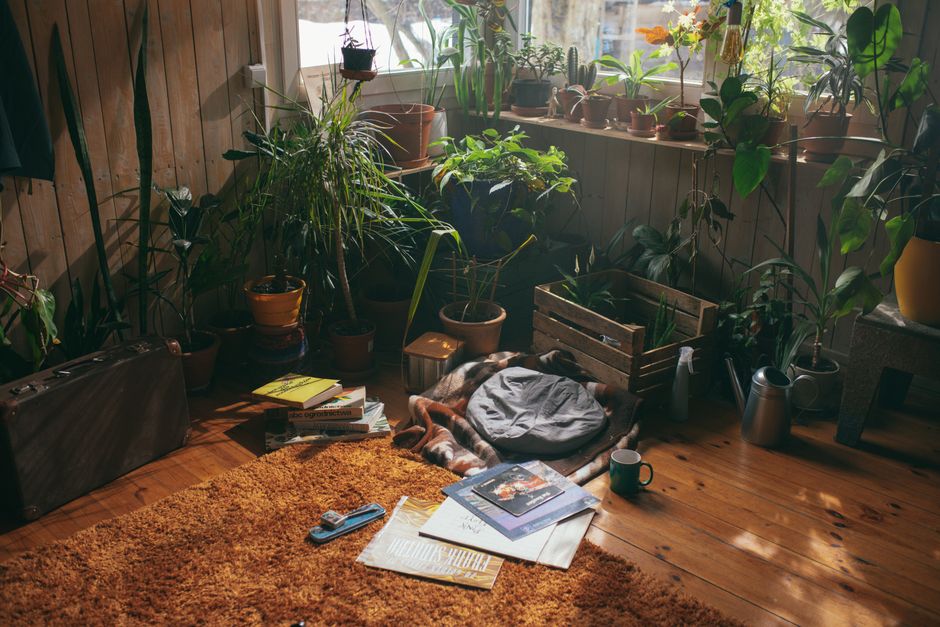
The best seat is the one your child can enter, leave, and reset without help. For most bedrooms, that means a low armchair or a firm floor cushion. A huge beanbag looks inviting but swallows small children, rolls toward the bed, and often becomes a wrestling prop. Buy it only if the room has enough open floor and the child already uses soft seating calmly.
Choose support over decoration
A child who leans against a wall after three minutes does not need a prettier cushion. That child needs back support. The IKEA POÄNG children’s armchair is the strongest practical pick for a child who reads for fifteen minutes or more. Its compact frame gives the back a stable angle, and the seat feels like a real chair without requiring an adult-sized footprint.
For a preschooler who reads in short bursts, use a firm cushion at least 3 inches thick on a non-slip rug. Avoid loose pillows piled against the wall. They slide, collect dust, and invite climbing. Choose a washable cover because juice, muddy paws, and nighttime accidents are not rare events in family bedrooms.
Match the seat to the reading habit
Use an armchair for chapter books, homework reading, and children who fidget less when their feet stay on the floor. Use a rug and cushion for picture books, shared reading, and siblings who want to sit together. For homes with cats or dogs, pick tightly woven fabric and keep the chair away from a pet’s favorite scratching route.
The verdict is simple: choose the IKEA POÄNG for a dedicated solo reader, and choose a washable rug with one firm cushion for a younger child or a shared family nook.
What makes a reading corner fail?

The common mistakes
- Putting it in a traffic lane: People bump the chair, pets knock over the basket, and the child stops using the space.
- Choosing style over scale: An adult chair may look polished but leave a young reader’s feet dangling. Poor support ends the reading session quickly.
- Using a harsh ceiling light: A bright overhead fixture creates glare on glossy picture-book pages. Add a local lamp instead of making the whole room brighter.
- Leaving every book out: A crowded shelf looks like a chore. Rotate a small selection and keep the rest out of sight.
When not to buy special furniture
Do not buy a reading chair if your child currently reads on the bed and refuses every chair. Start with a washable rug, one cushion, and a book basket. Do not buy a smart lamp if the child cannot operate it without an adult. A simple LED lamp is safer and faster. Do not buy a tall bookshelf for a toddler’s room when a low display shelf solves the storage problem.
The strongest correction is usually subtraction. Remove the toys, loose cables, extra pillows, and unused books first. If the space still feels inviting, then add one useful item. A reading corner fails when adults build a photo-ready display instead of a place a child can use every day.
What is the best complete setup for 2026?
The clear recommendation
For most children, build a 4-by-5-foot corner with a washable 5-by-7-foot rug, the IKEA POÄNG children’s armchair, the IKEA FLISAT book display, and the IKEA NÄVLINGE LED work lamp. This combination gives the child back support, visible choices, warm local light, and enough floor protection for family pets.
Mount the display low, leave at least 24 inches between the chair and the shelf, and keep the lamp on the side opposite the child’s writing hand. Put only ten books on display. Add a small blanket if the room is cold, but skip a pile of decorative cushions.
How to make the space last
Change the books every two weeks. Move the chair as your child grows. Replace a floor cushion when it loses its shape instead of adding more padding. Check the shelf anchors twice a year and inspect the lamp cord whenever furniture moves. These small resets keep the corner useful instead of letting it become another storage dump.
For children who prefer floor reading, swap the POÄNG chair for the Ruggish Cozy Play Rug and one firm cushion. For families that move between rooms, the Philips Hue Go is the best premium upgrade because it carries the light with the reader. The main recommendation remains unchanged: create one defined, comfortable, well-lit place and keep its job obvious.
Children’s reading spaces are moving toward smaller, more flexible setups rather than oversized furniture. The next useful upgrade will not be a bigger shelf. It will be a room that changes easily as a child’s body, books, and reading habits change.