
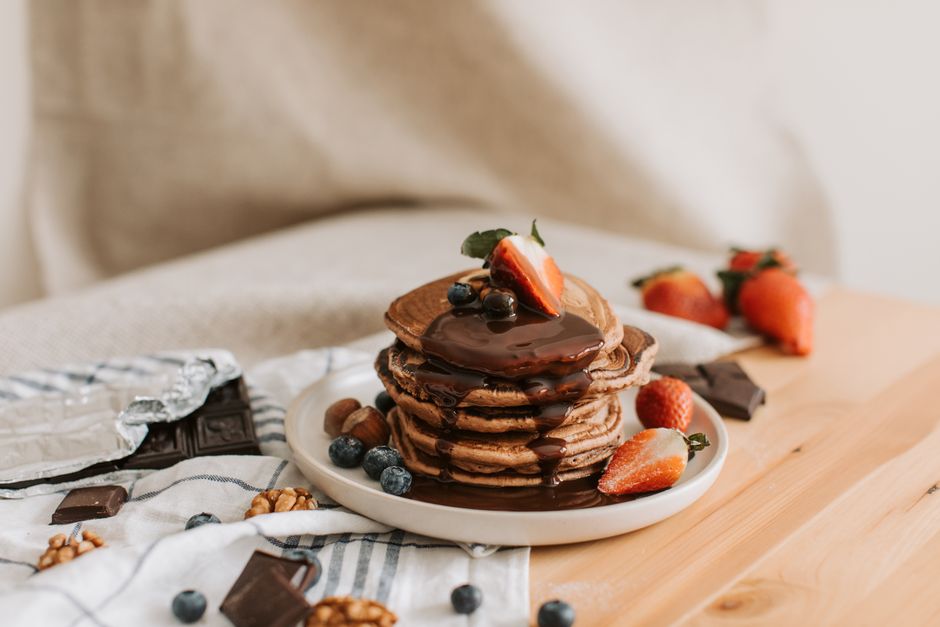
Your child wants to flip a pancake. You want breakfast to stay edible, the hob untouched, and nobody crying over a burnt first batch. The answer is a short recipe, clear jobs, and a kitchen plan that gives children real control without handing them a hot pan.
Why Pancake Day Goes Wrong with Children
The usual problem is not the batter. It is too much waiting, too many instructions, and one adult trying to cook every pancake while three children compete for the spatula. By the time the first stack arrives, the youngest has tipped flour across the floor and the oldest has lost interest.
Give each child one job
Children enjoy cooking more when the task has a visible result. One child can measure flour, another can crack eggs into a separate cup, and another can whisk the batter. Older children can count portions, set out toppings, or call out the two-minute cooking time. Do not create a pretend job such as carrying an empty bowl. Let each child handle something useful, with an adult checking hot or sharp steps.
Keep the first batch small
Make enough batter for two pancakes per person, then add more if needed. A large bowl encourages waste and makes mixing harder for small hands. The first pancake is often a test because the pan temperature is still settling. Tell children this before cooking starts. It is not a failure; it is the test pancake.
Use a simple family rule
Only one person stands beside the hob. Everyone else stays behind a marked line or at the table. This rule removes arguments and stops sleeves, hair, and hands moving near the pan. The best Pancake Day setup is calm, slightly strict, and easy to repeat.
How to Make a Child-Friendly Pancake Batter
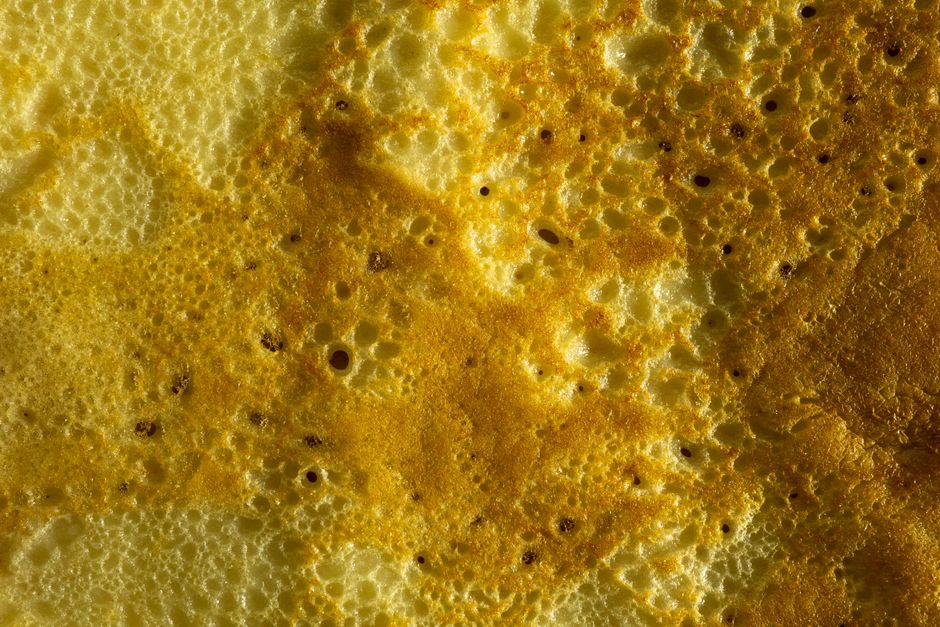
Use a one-bowl batter with no complicated folding. Children need a mixture they can see changing as they work. For eight small pancakes, measure 125g plain flour, 1 teaspoon baking powder, 1 tablespoon caster sugar, 1 egg, 250ml milk, and 25g melted butter or 1 tablespoon neutral oil. This makes soft American-style pancakes that are thick enough for small plates and easy to turn.
The mixing order matters
Put the flour, baking powder, and sugar in the bowl first. Make a well in the centre. Add the egg and roughly half the milk, then whisk from the middle outwards. Add the remaining milk slowly. This method gives children time to break up lumps before the bowl becomes too full. A few small lumps are fine. Overmixing makes pancakes tough.
Make the batter safer to handle
Ask children to crack eggs into a small cup, not directly into the flour. That keeps shell pieces easy to remove. Let an adult melt butter and handle the hot liquid. If the batter sits for 10 minutes, it thickens slightly and produces more even pancakes. Add 1 tablespoon of milk if it becomes difficult to pour.
Pick the right size
Use 2 tablespoons of batter for a small child-sized pancake. Use 60ml for a larger pancake. Smaller pancakes cook faster, flip more cleanly, and reduce frustration. Do not let a child pour batter directly from a heavy bowl. A small jug or ladle gives better control.
Kitchen Safety Rules Children Can Actually Follow
Children do not need a long lecture about kitchen hazards. They need three rules they can remember and an adult who follows the same system every time. The winning rule is simple: children mix and decorate; adults manage heat, hot fat, knives, and the first flip.
Set up a cold-zone station
Place the mixing bowl, measuring spoons, whisk, toppings, and plates on a table away from the hob. Put a damp cloth under the bowl so it does not slide. Tie back long hair and roll up loose sleeves. Keep the floor dry. A sturdy step stool helps a child reach the work surface, but it must sit flat and stay away from the cooker.
Teach the pan boundary
Draw an imaginary line around the hob. Nobody crosses it while the pan is hot. Keep pan handles turned inward, but not over another burner. Never leave hot oil unattended. An adult should lift the pan, add batter if the pan is heavy, and decide when a pancake is ready to turn.
Choose toppings without creating a choking risk
Slice grapes lengthways, quarter large strawberries, and chop nuts finely or leave them out for younger children. Use yoghurt, soft fruit, banana slices, cinnamon, and a small amount of syrup. Check allergies before serving. Put separate spoons in shared bowls so children do not swap utensils after tasting.
Use These Kitchen Tools, But Buy Only What Solves a Problem
Do not turn Pancake Day into a shopping exercise. Most families already own a bowl, whisk, jug, and frying pan. Buy or use a specific tool only when it removes a real problem such as sticking, poor control, or unsafe handling.
| Product | Useful specification | Best use | Verdict |
|---|---|---|---|
| OXO Good Grips 12-Inch Non-Stick Frying Pan | 12-inch cooking surface with a soft-grip handle | Cooking several small pancakes at once | Best family pan when you need space and easy release |
| Lodge Cast Iron 10.25-Inch Skillet | 10.25-inch seasoned cast-iron surface | Even heat for an experienced adult cook | Strong heat retention, but too heavy for children to handle |
| KitchenAid 5-Speed Hand Mixer | Five speed settings and two beaters | Large batches or thicker batter | Useful for adults; a whisk is better for a child’s first lesson |
| ThermoWorks Thermapen ONE | Fast digital temperature reading | Checking pan or food temperature with adult supervision | Excellent for confident cooks, unnecessary for basic pancakes |
The OXO Good Grips pan is the best choice for most families because the non-stick surface reduces tearing and the 12-inch size leaves room to space out mini pancakes. The Lodge skillet is better for an adult who already controls heat well. Do not buy a cast-iron pan for a child to lift. The KitchenAid mixer saves time for a crowd, but it removes some of the hands-on work children enjoy. The Thermapen ONE is a useful kitchen tool, not a toy, and an adult must control it.
How to Turn Cooking into a Family Game
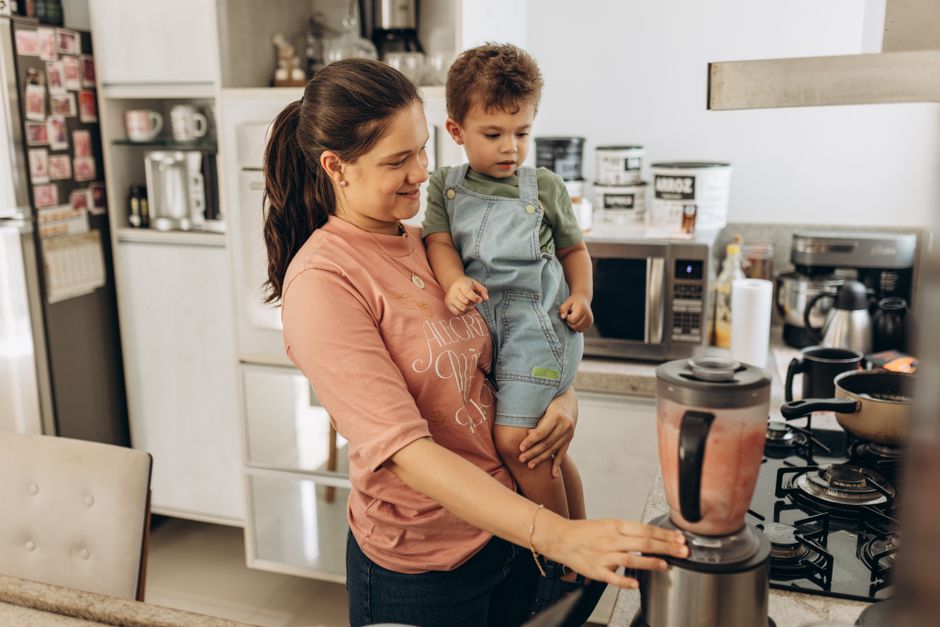
Pancake Day stays fun when the activity has a finish line. Children do not need a full afternoon of crafts. They need a short challenge that fits around cooking and eating.
Which child can build the best pancake stack?
Give each child three mini pancakes and let them choose a theme: a face, a tower, or an animal. Use banana slices for ears, yoghurt for eyes, and berries for colour. Set a five-minute decorating timer. The adult chooses a winner for neatest stack, funniest face, or best use of fruit. Everyone gets a category, so the game does not become one child winning everything.
Can children learn flipping without touching the hob?
Yes. Give each child a cold pancake on a plate and a clean spatula. They can practise sliding under it and turning it onto another plate. Older children can practise with a slice of bread in a cold pan. This builds the movement without heat, oil, or pressure.
Use a short schedule
- Set out ingredients and wash hands.
- Measure and mix the batter for 10 minutes.
- Let the batter rest while children choose toppings.
- Cook for 20 to 30 minutes with one adult at the hob.
- Decorate and eat immediately.
Keep the whole activity under one hour. After that, children get hungry and adults start rushing. The best game is the one that ends before anyone loses patience.
Common Pancake Mistakes and the Fastest Fixes
Do not blame the child when the pancake fails. Most failures come from heat, batter, or timing. Fix the system and try again.
Why are the pancakes raw in the middle?
The heat is too high or the pancakes are too large. Lower the burner to medium-low and use 2 tablespoons of batter per pancake. Wait until bubbles appear across the surface and the edges look set before turning. A dark outside with a wet centre means the pan is running too hot.
Why do pancakes stick?
The pan may not be warm enough, the coating may be worn, or you turned the pancake too early. Warm the pan for two minutes, wipe it with a thin layer of oil, and wait until the surface releases easily. Do not scrape hard with a metal tool. A damaged non-stick coating makes every family batch harder.
Why are the pancakes tough?
Overmixing is the usual cause. Stop whisking when the dry flour has disappeared. Small lumps are harmless. Too much flour also makes a stiff batter, so measure by weight when possible. If the batter is already thick, add milk one tablespoon at a time.
When should you stop cooking?
Stop when enough food is ready. Do not chase a perfect stack while children are hungry. Keep finished pancakes warm on a plate covered with a clean tea towel for a short time, then serve. Pancake Day is a family meal, not a catering test.
That is the fix for the original kitchen scene: one adult owns the heat, children own useful jobs, and the first imperfect pancake has a purpose. With small pancakes, safe boundaries, and a five-minute decorating game, the family gets the part that matters—a meal children helped make and are proud to eat.