

Your cat comes home after patrolling the yard, jumps onto the sofa, and starts scratching behind one ear. A closer look reveals a tiny brown flea or a tick near the collar. The safest response is not to grab the first pesticide on the shelf. Outdoor cat flea and tick prevention works best as a routine: reduce exposure in the yard, check the cat every day, use only a cat-labeled treatment chosen with veterinary guidance, and act quickly when something looks wrong.
Why outdoor cats need two layers of protection
The right verdict is simple: treating the cat alone is not enough, and cleaning the house alone is not enough. Fleas and ticks reach the cat outside, but fleas can continue developing indoors and ticks can ride home on fur, clothing, or bedding.
Fleas can turn one outdoor visit into a home problem
Adult fleas feed on the cat, then lay eggs that fall into rugs, bedding, upholstery, cracks, and shaded resting places. Those eggs develop through larval and pupal stages before new adults emerge. That life cycle explains why a cat may still have a few fleas after treatment. It also explains why vacuuming and washing fabric matter. The CDC recommends cleaning pet bedding, rugs, floors, carpets, and wall edges while treating the pet at the same time. Moderate or heavy infestations can take months to control, so a single bath rarely solves the whole problem.
Ticks create a family exposure route
A tick does not need to stay attached to the cat to become a household concern. It may crawl from the fur onto a blanket or a person. Outdoor cats can also become ill from tick-borne infections, even though signs may not appear for days or weeks. A daily check lowers the time a tick remains attached and gives the family a chance to remove it safely. Prevention therefore has two goals: protect the cat from bites and stop pests from reaching people inside the home. The best plan combines both layers every day.
Start with the yard and the cat’s route

The best low-cost improvement is to make the cat’s favorite outdoor areas less friendly to fleas and ticks. Do not fog the entire yard by default. Focus on damp, shaded places where the cat rests and on brushy edges where ticks are more likely to wait.
Change the high-risk edges first
- Mow grass and trim tall weeds around paths, porches, play areas, and feeding stations.
- Remove leaf litter, brush piles, and damp debris where wildlife may shelter.
- Keep outdoor bedding off the ground and wash washable covers weekly in hot water when the label permits.
- Place a 3-foot-wide strip of gravel or wood chips between lawn and wooded or brushy areas.
- Move children’s play equipment, patios, and seating away from tall grass and dense shrubs.
- Repair gaps under porches and sheds that attract rodents, raccoons, or other wildlife.
Run a 60-second return check
When the cat comes inside, inspect the face, chin, ears, neck, under the collar, armpits, belly, between the toes, groin, and base of the tail. Use a bright flashlight and a flea comb over white paper. Small black specks that turn reddish when damp may be flea dirt. For a tick, use fine-tipped tweezers or a tick tool, grip close to the skin, and pull upward with slow, steady pressure. Clean the bite area and wash your hands. Yard changes do not replace veterinary prevention, but they reduce the number of pests the cat carries home.
Choose the right cat-safe prevention type
For most outdoor cats, the strongest practical choice is a veterinary-selected treatment with a clear repeat schedule and coverage that matches local parasites. The table below shows how common cat products differ. Product approval, age ranges, tick species, and directions can change, so check the current label and ask your veterinarian before use.
| Product | Form and schedule | Coverage or feature | Important limit |
|---|---|---|---|
| Advantage II for Cats | Topical, usually repeated monthly | Fleas, flea eggs, and flea larvae | Not a complete tick-control choice |
| Revolution Plus | Topical, monthly | Fleas, several tick species, heartworm, ear mites, roundworms, and hookworms | Use only the cat size and weight on the label |
| Credelio CAT | Oral tablet, monthly | Flea and tick control for cats | Requires a cat-appropriate dose and reliable administration |
| Bravecto Topical for Cats | Topical, up to 12 weeks for labeled flea and tick claims | Longer dosing interval than monthly products | Age, weight, and tick-species limits apply |
| NexGard COMBO | Topical, one month | Fleas, selected ticks, heartworm, intestinal worms, and tapeworms | Prescription product; not every parasite claim applies in every location |
The quickest choice for a busy family
Pick the cat-labeled schedule your household can follow without missed doses. A monthly product is often easiest to pair with a calendar reminder. A longer-interval option can suit families who repeatedly forget monthly dates, but the application still needs to be recorded. For flea-only problems, Advantage II may cover less than a broad-spectrum option. For a cat that hunts in tick habitat, a flea-only product is the wrong winner.
When oral, topical, or broad coverage wins
Topical treatment may be easier for a cat that refuses tablets, but the cat must not lick the wet application site. Oral Credelio CAT avoids residue on the fur, yet some cats will spit out or hide a tablet. Products such as Revolution Plus, Bravecto Plus, or NexGard COMBO may cover additional parasites, but extra coverage is not automatically better. The best match is the smallest safe plan that covers the pests your veterinarian expects in your area.
Build a routine that catches problems early
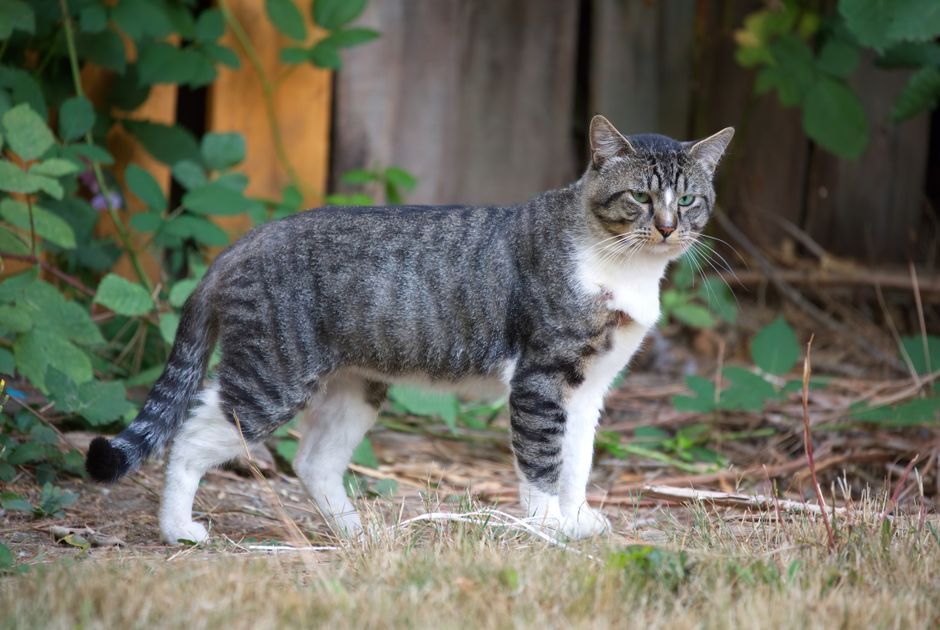
The winning routine is short enough to survive a busy school week. Put the checks beside an existing habit, such as feeding dinner or locking the back door.
Use this after-outdoor checklist
- Run your hands over the neck, shoulders, back, belly, legs, and tail base.
- Look inside and around both ears, then check under the collar.
- Spread the fur at the armpits, groin, and between the toes.
- Comb the neck and tail base over white paper to spot fleas or dark specks.
- Remove any attached tick with fine tweezers and record the date and location.
- Check the family’s shoes, socks, and outdoor clothing before sitting on furniture.
Keep one simple prevention record
Write down the product name, active ingredients, dose size, date given, cat’s weight, and the next due date. Keep the box or package insert. Never guess after a missed dose, and never stack two flea or tick treatments because the cat still scratches. Ask the veterinary clinic how to restart the schedule. During a known flea infestation, vacuum floors and furniture frequently, wash pet bedding, and expect follow-up work. New fleas may emerge after the first treatment because the immature stages did not all die at once.
Track the cat, not just the calendar
Check appetite, energy, skin, coat, and sleep. Flea allergy can cause intense itching from only a few bites. Pale gums, weakness, heavy scratching, open sores, or sudden behavior changes need veterinary attention.
My firm safety rule: never borrow a dog treatment
Never apply a dog flea or tick product to a cat. This is the one shortcut that can turn pest control into an emergency. Cats process some chemicals differently from dogs, and products containing permethrin can be especially dangerous to cats. A cat-labeled package is not enough by itself: the weight range, age, health history, and active ingredients must also match.
Read the label before opening the package
Check the species, minimum age, minimum weight, active ingredients, application site, repeat interval, and warnings. Do not split a large-animal tube between cats. Do not use a household spray directly on the cat. If you have several pets, apply one animal at a time and separate treated animals until the application site dries so they cannot groom each other. Wash your hands after applying a topical product and store unused doses away from children, food, and pet access.
Know the warning signs after treatment
Drooling, vomiting, diarrhea, weakness, wobbling, tremors, unusual hiding, agitation, trouble walking, or seizures require an immediate call to a veterinarian or emergency clinic. The FDA says isoxazoline products are considered safe and effective for most cats, but neurologic reactions, including tremors, ataxia, and seizures, have been reported. Tell the veterinarian about seizure history, neurologic disease, pregnancy, nursing, other medicines, and any earlier reaction. The FDA, EPA, and CDC all stress following the label and asking a veterinarian about cat tick products. Their guidance is more useful than a generic online dosage chart.
Questions that change the prevention plan
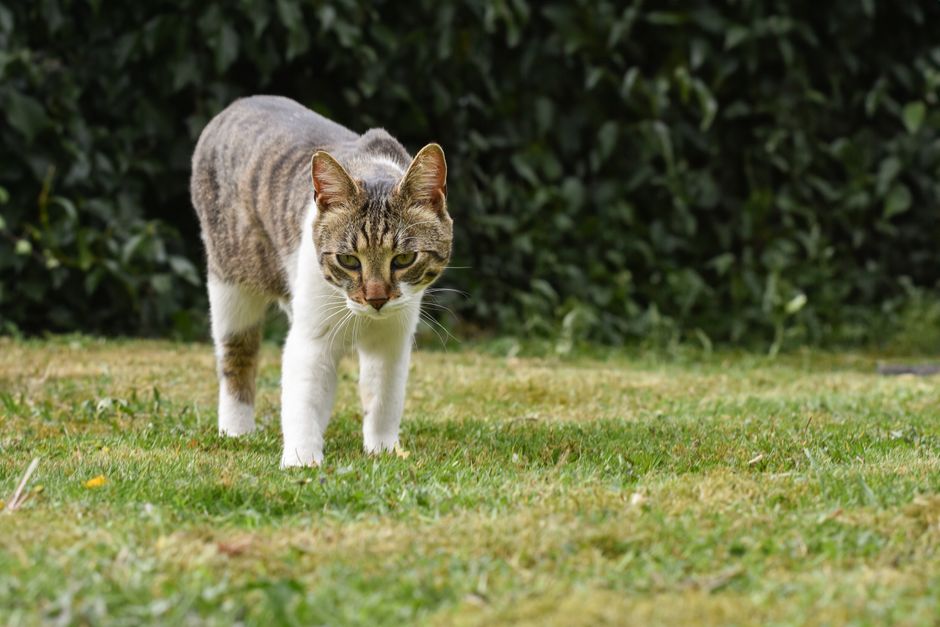
What should I do if I find one flea?
Comb the cat, wash the bedding, vacuum resting areas, and contact your veterinarian about a cat-safe treatment. One visible flea can mean eggs and pupae are already present in the home. Treat every dog and cat in the household with the correct species-specific plan; do not improvise by using a dog dose on a cat. Continue vacuuming and repeat cleaning because the flea life cycle outlasts the first treatment.
Can an outdoor cat get ticks in winter?
Yes. Tick activity varies by region, weather, and species. A warm day can bring activity even during a cold season, and ticks may remain active in sheltered leaf litter. Daily checks should continue whenever the cat goes outdoors. Ask the veterinary clinic which tick species and diseases occur locally instead of stopping prevention based only on a calendar month.
When should a veterinarian see the cat?
Arrange prompt care for a kitten, senior cat, pregnant or nursing cat, underweight cat, sick cat, or cat taking other medicines before choosing a treatment. Seek urgent help after a suspected pesticide exposure or neurologic sign. For the family cat that returned from the yard with a tick, the safe resolution is clear: remove the tick, document it, check the rest of the coat, and establish a labeled prevention schedule before the next outdoor patrol.