

Why does the hallway become the messiest room in the house as soon as winter starts? One wet coat lands on a chair, two pairs of muddy boots block the door, school bags spill open, and the dog’s lead ends up under someone’s feet. The problem is not laziness. It is that one small space has to handle drying, storage, changing, leaving and returning at the same time.
The fix is a system with clear limits. Every person needs a landing spot, wet items need airflow, and the floor should hold only what is being used that day. The best family hallway is not the one with the most furniture. It is the one that removes decisions when everyone is late.
Why does a family hallway get messy in winter?
Verdict: Winter hallways fail when storage treats every item as equal. A soaked coat, a clean school jumper, muddy boots and a dry dog towel need different places. Put them together and the floor becomes the default storage unit.
Separate wet, daily and spare items
Start with three groups. Wet items include raincoats, gloves, waterproof trousers, umbrellas and dog towels. Daily items include the coat, shoes, school bag and keys each person uses most. Spare items include extra hats, sports kits, boots that are not worn every day and outgrown clothing waiting for a decision. Wet items need a ventilated drying area. Daily items need to be reachable without opening a cupboard. Spare items should leave the hallway altogether.
A useful test is the one-hand test: can a child put away the item while carrying a lunchbox? If the answer is no, the storage is too high, too deep or too fiddly. A system that needs two hands and a clear floor will collapse during the morning rush.
Give the floor a hard limit
Set a household rule that the hallway floor may hold only one pair of outdoor shoes per person, plus one drying mat. This sounds strict, but it creates a visible limit. If six pairs of shoes are always present, the space needs a different seasonal rotation rather than another basket. Keep formal shoes, spare trainers and summer footwear in another room. A narrow boot tray protects the floor, but it does not solve excess volume.
Pets need their own small zone as well. Keep the lead, towel and waste bags together, but do not place the towel beside clean school bags. That single separation prevents damp smells and stops muddy paws from spreading across the whole entrance.
How should you zone a hallway for coats and school bags?
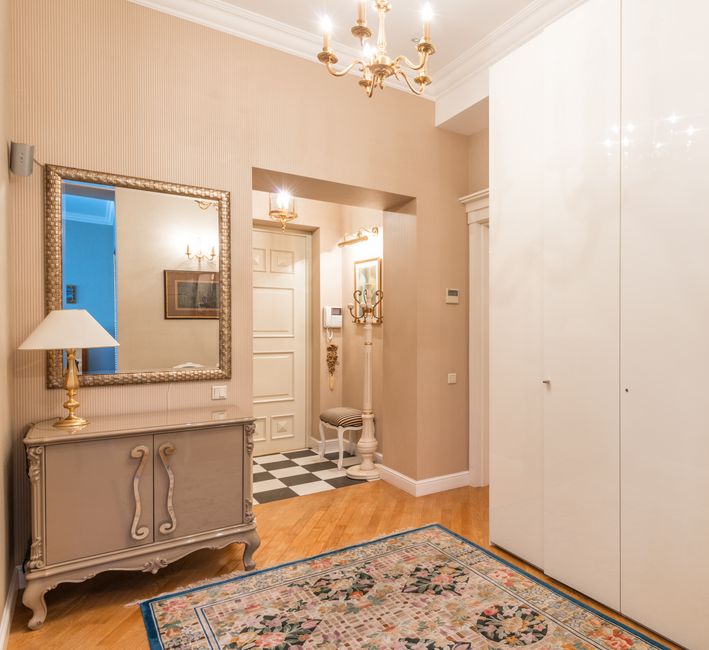
Verdict: Build the hallway from the user’s height down, then reserve the lowest safe area for shoes and pet equipment. Children should not need an adult to finish the storage task.
Use this five-step layout
- Measure the clear route. Keep at least 90 cm of walking width where possible. Open doors, prams and school bags all need the same passage.
- Mark the adult coat zone. Put adult coats above child height, ideally around 150 to 170 cm from the floor, so long hems do not cover bags or shoes.
- Set child hooks lower. A hook line around 100 to 120 cm works for many primary-school children. Use one hook per child rather than a shared row.
- Create a bag landing spot. A school bag should hang or stand within arm’s reach of the child’s coat. Do not make children carry it through the house to a bedroom every afternoon.
- Keep a dry-change basket nearby. Gloves, hats and scarves can share a ventilated basket, but do not use a sealed plastic box for damp fabric.
Keep the exit path clear
Measure the largest object that enters the home. That may be a folded buggy, a sports bag or a large dog after a rainy walk. Leave enough clearance for that object before adding shelves. Many hallway plans look tidy in a photograph because they ignore the thing that actually causes the mess.
Use labels only where they remove a choice. A label reading “Mia” on a bag hook helps. Five labels for different types of gloves usually create more work than they save. The goal is a fast reset, not a miniature warehouse.
What is the fastest winter hallway reset?
Verdict: The fastest reset takes five minutes and follows one direction: floor to hook, hook to dry, dry to storage. Do not wait for a weekend clear-out, because the pile becomes harder to sort once wet clothes and school papers mix.
First, lift every item from the floor and make three piles: still wet, used but dry, and misplaced. Hang wet coats with space between them, place boots on the tray with the openings facing out, and return dry daily items to their assigned hooks. Then remove anything that does not belong in the hallway. A forgotten permission slip belongs in the school-bag pocket, not under a basket. A dog towel belongs near the washing area once it is no longer damp.
Next, check the next morning’s needs. Put out only the coats, shoes and bags that will be used. This small preparation step cuts down on searching, but it also exposes capacity problems. If the routine fails because four bags have nowhere to stand, the answer is not a stricter reminder. The answer is a better landing zone.
Finally, wipe the boot tray and check the floor beneath it. Winter grit acts like sandpaper on flooring, while trapped moisture can damage wood and create a smell. Five minutes of daily control costs less than replacing a warped mat, stained floor section or ruined school bag. This is not financial advice, but the household budget lesson is clear: prevention has a £0 fee, while repeated replacement rarely does.
Which hallway storage works for boots and bags?
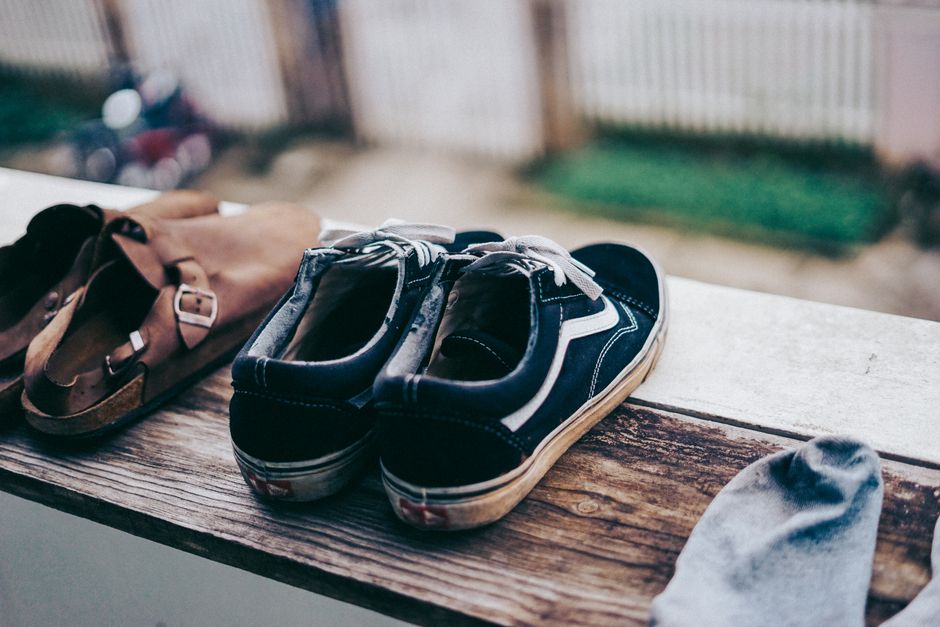
Verdict: For a narrow family hallway, shallow storage wins. The best cash option is the IKEA TRONES pair for shoes and small items; choose the IKEA TJUSIG bench only if you have enough depth to sit safely without narrowing the route.
| Product | Size or capacity | Listed UK price | Best use | Main drawback |
|---|---|---|---|---|
| IKEA TJUSIG shoe rack | 79 × 32 × 37 cm; about 6 pairs | £29 | Open storage for daily shoes and boots | Wet footwear remains visible and needs airflow |
| IKEA TJUSIG bench with shoe storage | 108 × 34 × 50 cm; about 8 pairs | £69 | Families who need a sitting place for changing shoes | Uses more floor depth than a rack |
| IKEA TRONES shoe cabinet | 52 × 18 × 39 cm per cabinet; sold as a 2-pack | £25 per 2-pack | Small hallways that need shallow enclosed storage | Not suitable for very wet boots without drying first |
Prices can change, so treat these as the listed UK cash prices seen for 2026 rather than permanent quotes. The honest comparison is the total paid: £25, £29 or £69, plus any delivery and assembly time. If a retailer offers finance, compare 0% promotional APR with plans approaching 29.9% APR, and check every fee. A £0 setup fee is not the same as a £0 late-payment fee. For this category, paying cash within a fixed budget is the cleanest deal.
Bottom line: choose the TRONES pair for a narrow entrance, the TJUSIG shoe rack for visible daily footwear, and the TJUSIG bench only when sitting down solves a real problem. More furniture is not automatically better storage.
When should you avoid buying hallway furniture?
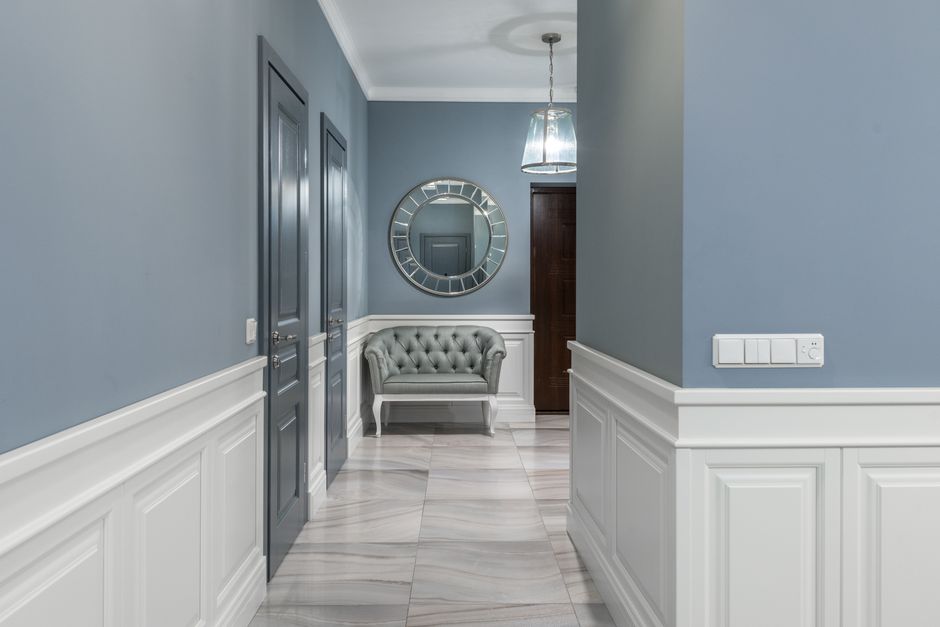
Verdict: Do not buy a new rack, bench or cabinet until you have measured the route and removed unused items. In a very small hallway, editing the contents beats adding storage.
Skip the purchase if the problem is overflow
If the hallway contains last season’s coats, old trainers, spare umbrellas and three bags that are no longer used, furniture will only organise the clutter. Remove those items first. A donation bag, laundry basket or cupboard in another room may solve more than a new cabinet. This costs £0 and creates a clear test: if the daily items now fit, you do not need more storage.
Choose a different solution for rental homes
A rented property may not allow wall fixing, and tall freestanding units can be unsafe if children climb them. Use tension-mounted hooks only within their stated load limit, avoid placing heavy bags above head height, and ask the landlord before drilling. A narrow freestanding rack may work better than a deep bench if the front door already opens into the storage area.
Families with toddlers should also avoid sharp corners and unstable baskets. Families with large dogs may need a washable utility-room zone rather than a polished hallway display. The right answer can be less attractive but safer, easier to clean and cheaper to replace. Winter storage is moving toward flexible, repairable systems: shallow modules, washable mats and clearly limited daily capacity will keep winning over oversized furniture sets.