The common mistake is treating January decluttering like a punishment: empty every cupboard, make a huge mess, then demand that everyone sort it before dinner. That approach fails in a family home because children lose interest, adults run out of time, and half-sorted piles sit around for another month.
My better rule is simple: reset the home in small zones, give every person a clear job, and remove more items than you reorganize. The aim is not a perfect house. It is a home where Christmas toys fit, coats can be found, the floor is usable, and nobody has to move three boxes to reach a board game.
Use this seven-day family decluttering plan
Set a twenty-minute limit for each session
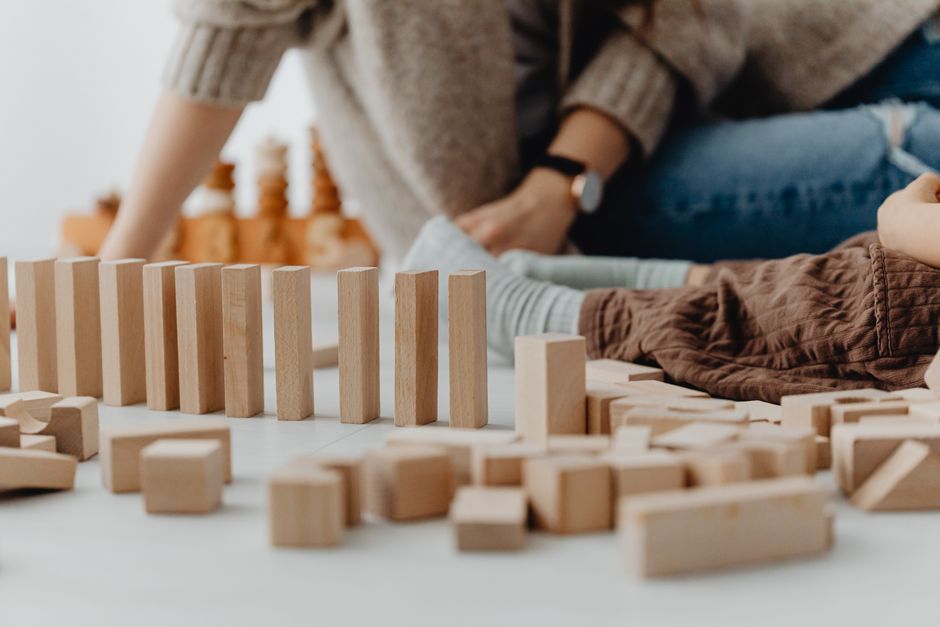
Children cope better with a finish line they can see. Set a timer for twenty minutes, choose one small zone, and stop when the timer ends even if the room is not perfect. A short session repeated over a week beats one exhausting Saturday that leaves everyone angry.
- Day one: rubbish and packaging. Walk through the main living areas with a recycling bag. Remove broken packaging, dried-out pens, torn wrapping paper, and empty gift boxes.
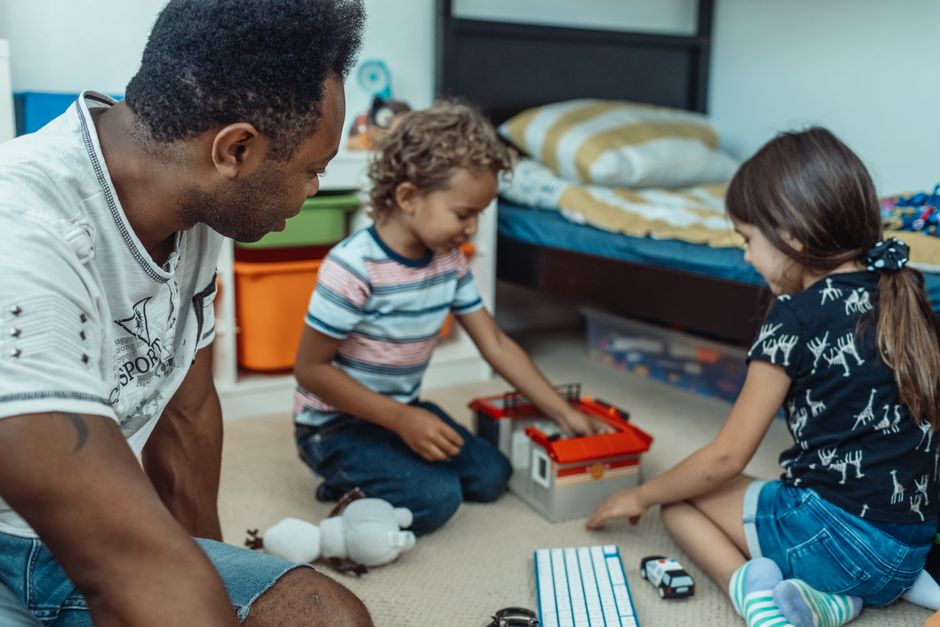
- Day two: toys. Sort only one category, such as cars, dolls, puzzles, or building bricks. Keep favourites, remove broken pieces, and create a small holding box for toys the children cannot decide about.
- Day three: clothes. Pull out clothes that are too small, uncomfortable, stained beyond repair, or unlikely to be worn before the next wash cycle. Keep a separate bag for useful hand-me-downs.
- Day four: entryway. Give every person one coat position, one shoe area, and one place for hats and gloves. Move out-of-season items elsewhere.
- Day five: books and paper. Recycle school letters that no longer matter, return library books, and keep the children’s favourite books at an easy height.
- Day six: kitchen and pet supplies. Check duplicate water bottles, expired food, unused lunch boxes, spare leads, old pet medication packaging, and toys that are no longer safe.
- Day seven: donation and reset. Take donations out of the house, put the holding box away, and give every remaining item a home before buying anything new.
Keep the family involved, but do not make every decision a group vote. Adults should handle medicines, documents, sharp objects, and sentimental items. Children can choose which toys stay, but they should not decide where hazardous cleaning products belong.
Sort the Christmas overflow with a simple table
Use four decisions instead of a giant keep-or-bin argument
When a child is tired, the words “Do you still want this?” can start a negotiation lasting fifteen minutes. Use four clear outcomes instead. The table below is the system I use after birthdays and Christmas because it keeps the useful questions separate from the emotional ones.
| Decision | Use it for | Action | Time limit |
|---|---|---|---|
| Keep now | Favourite toys, daily clothes, current books | Give it a visible home that the child can reach | Place it away today |
| Rotate | Seasonal toys, craft kits, large vehicles | Store a small amount and swap later | Box within 10 minutes |
| Pass on | Duplicates, outgrown items, unopened gifts | Donate, gift, or sell if genuinely worth the effort | Bag within 24 hours |
| Remove | Broken, unsafe, incomplete, or stained items | Recycle or dispose of safely | Do not return to the room |
My verdict on the holding box
A holding box is useful only when it has a deadline. Choose a lidded box, write the review date on a piece of tape, and set that date two weeks away. If nobody asks for an item during that time, it can leave. Do not create five holding boxes around the house; that is delayed clutter wearing a lid.
For families with pets, inspect every toy before it goes back. Remove loose threads, cracked plastic, damaged squeakers, and anything small enough to become a choking risk. Keep children’s small pieces and pet toys in separate storage because a toddler and a curious dog can create the same safety problem in different ways.
Build storage around how children actually tidy
Low, open storage beats a perfect adult cupboard
Children return objects when the final step is easy. A deep cupboard with a complicated stack may look tidy after an adult organizes it, but it will collapse after the first play session. For younger children, use broad categories and low storage: blocks, vehicles, pretend play, art supplies, and soft toys. Five large categories are easier to maintain than twenty small labels.
The IKEA TROFAST is the strongest fit for a playroom because its bins pull out and can be carried to the floor. The important feature is not the brand name; it is that a child can see the bin, carry it, and return it without lifting a heavy lid.
Match the container to the object
Use open bins for things that are used every day. Use lidded boxes for small seasonal items, spare craft materials, and toy rotations. The Sterilite 6 Quart Storage Box measures about 13 5/8 x 8 x 4 5/8 inches, so it works for small figures, cables, stickers, or puzzle pieces but not for a mixed pile of bulky toys. Choosing a box that is too small creates overflow; choosing one that is too large makes sorting pointless.
The IKEA KALLAX 2 x 2 unit is useful for books, baskets, and larger display items, with a footprint of roughly 30 1/8 x 30 1/8 inches in current versions. I would use it for accessible family storage, not as a dumping ground. Anchor tall furniture to the wall, keep heavy items low, and do not place climbing temptations beside a window or radiator.
I like it for adults and older children because clear labels stop the “where does this go?” question. Younger children may understand pictures better than words, so draw a simple car, book, or block symbol on the bin instead of buying a label maker.
What should children keep after Christmas?
How do I declutter toys without causing tears?
Do not remove a child’s favourite toy while they are watching unless it is broken or unsafe. Begin with clear rubbish and duplicates, then ask the child to choose three favourites from one category. Put uncertain items into the dated holding box. This gives children control without allowing every object to become permanent.
Should I make my child donate gifts?
No. A gift belongs to the child once it has been given, but that does not mean it must stay forever. Explain that homes have limited space and that another child may enjoy an unused toy. Let the child choose from items they already feel finished with, and never use donation as a punishment for bad behaviour.
What if my child refuses to tidy?
Reduce the task until refusal becomes harder than starting. Say, “Put the red cars in this basket,” rather than, “Clean the bedroom.” Work alongside the child for five minutes, then leave them with one simple category. If the same mess returns every day, the storage system is probably too difficult, the category is too broad, or there are still too many items.
My clear recommendation is to protect the child’s favourite objects and make the boring decisions yourself. January decluttering is a family job, but it is not a trial where a child has to defend every possession.
When not to buy storage for the January reset
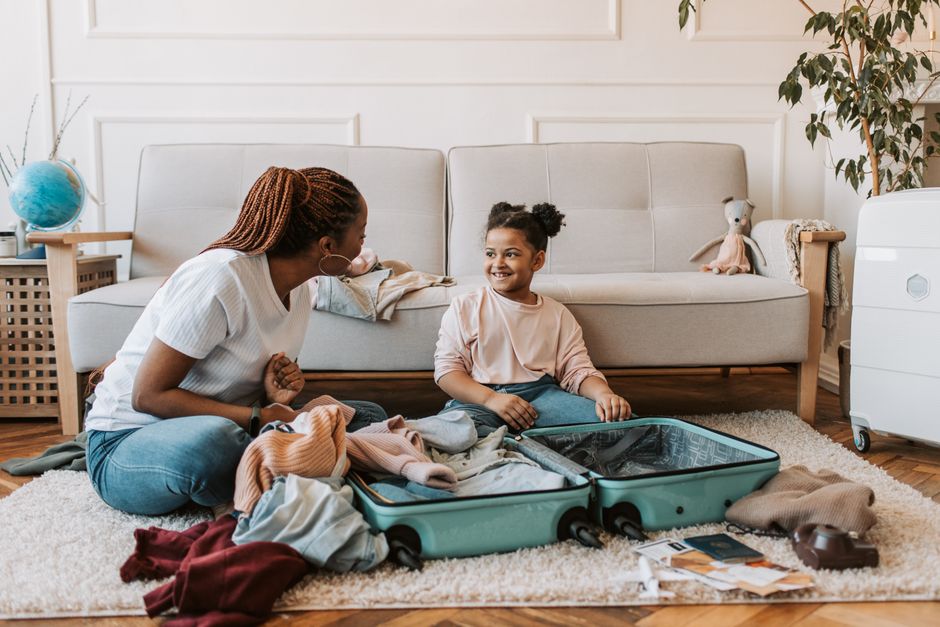
Buy less storage when the real problem is excess
Do not buy another shelving unit until you have removed the obvious surplus. New containers can make a crowded room look organized for a week, then hide the same problem behind plastic lids. If a toy category cannot fit into the space you have assigned, remove some items before expanding the space.
Skip the IKEA TROFAST if your children are old enough to use drawers, your room has no safe floor space, or you dislike visible toy storage. Choose a secondhand chest of drawers instead, but check that it is stable, its drawers cannot trap fingers, and it is anchored securely. Choose IKEA KALLAX when books and baskets matter more than loose toy access. Choose Sterilite boxes for closets and seasonal supplies, not for objects children need every ten minutes.
Use the smallest system that survives a busy week
A useful test is the five-minute reset. On a normal evening, ask the family to put everything away for five minutes. If the system works, most objects should have a clear destination and the room should look better quickly. If everyone is still holding items when the timer ends, simplify the categories or remove more things.
Keep one donation bag near the exit for the rest of January, but empty it often. The reset succeeds when the home stays easier to use after the decorations come down, not when every basket matches.