

Read the anxiety before treating it
Start with the trigger, not a calming product. A dog who paces when you pick up your keys needs a different plan from a dog who trembles during thunderstorms. The first dog may fear separation. The second may fear loud, unpredictable noise. Treating both problems with the same chew or diffuser wastes time and can hide a problem that needs veterinary help.
Spot the early warning signs
Watch for lip licking, yawning, turning away, tucked posture, pinned ears, panting when the room is cool, hiding, pacing, sudden clinginess, or refusing a favorite treat. Early signs matter because a dog can still learn when stress remains low. Once he is barking, lunging, scratching doors, or trying to escape, his brain has moved into survival mode. Training becomes much harder at that point.
Keep a simple trigger log
For one week, record the time, event, distance from the trigger, body language, and recovery time. Write down whether your dog ate normally and slept normally afterward. A new fear, night restlessness, pain when touched, house-soiling, or a sharp behavior change deserves a veterinary appointment. A physical problem can look like anxiety, especially in older dogs. The clear first verdict is simple: accurate observation gives you more useful information than guessing from a single bad evening.
Match the response to the trigger

The best first move is usually to lower the trigger while you teach a new response. Use this chart as a starting point, then adjust the distance and volume to keep your dog able to eat, sniff, and respond to you.
| Trigger | First move | Useful starting measure | Mistake to avoid |
|---|---|---|---|
| Thunder or fireworks | Close curtains, add steady background sound, and move the bed to an interior room | Begin before the forecasted noise; offer food at a low volume | Waiting until the dog is shaking before making changes |
| People at the door | Use a baby gate and scatter treats away from the entry | Practice with one quiet knock from 10 to 15 feet away | Forcing greetings or asking for a long sit while the dog is frightened |
| Being left alone | Practice very short departures below the panic point | Start with 5 to 10 seconds if necessary | Jumping from 1 minute to an hour |
| Dogs or traffic outdoors | Increase window distance and reward a glance back at you | Choose a distance where the dog can still take food | Allowing repeated barking rehearsals at the glass |
This approach wins because it changes the environment and the emotion at the same time. A quiet room, a secure gate, or a shorter absence is not giving in. It prevents another full panic episode while your training catches up.
Build a 20-minute calm-down routine
A predictable routine works best when it uses natural dog behaviors: sniffing, licking, chewing, resting, and slow movement. Try this sequence after a busy event or before a planned departure.
- Minutes 1–3: Take your dog outside for a slow toilet break and let him sniff. Do not turn it into a fast game of fetch. Sniffing gives him information and helps bring his attention back to the environment.
- Minutes 4–8: Scatter 10 to 15 small pieces of his normal food across a towel, grass patch, or snuffle mat. Keep the search easy at first. If he rushes, use larger spaces and fewer pieces.
- Minutes 9–14: Offer a stuffed KONG Classic. A medium KONG usually costs about $14 and can hold soaked kibble, plain canned food, or a small amount of mashed banana. Freeze it for 30 to 60 minutes when your dog already understands how to empty it.
- Minutes 15–18: Ask for one easy behavior, such as touching your hand or walking to a mat. Reward once, then stop. Repeating commands can add pressure.
- Minutes 19–20: Lower the lights, put the bed in a quiet spot, and leave your dog alone to rest. Calm behavior needs a chance to finish.
For dogs who empty a KONG too quickly, the West Paw Toppl is the stronger choice. The regular and large sizes cost roughly $18 to $25 and are easier to fill with a measured meal. The verdict: use the KONG for longer licking and the Toppl for easier access, but introduce either toy on a normal day before relying on it during a stressful event.
Can food, scent, and sound really help?
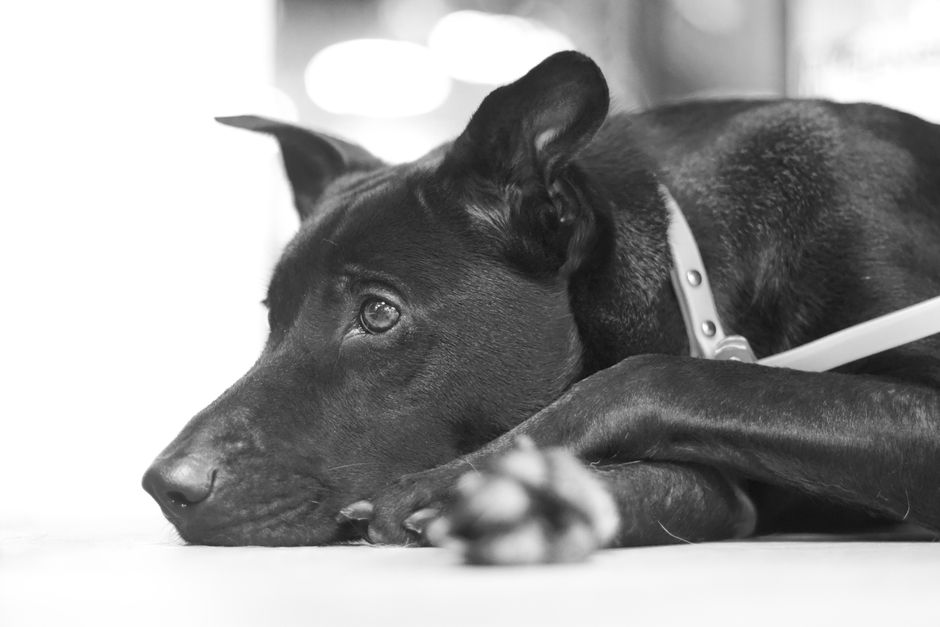
Can licking reduce nervous energy?
Often, yes, if the dog remains calm enough to eat. Licking and chewing give the mouth a steady job, and food creates a positive link with a mild trigger. They do not erase fear. A dog who refuses chicken, cheese, or a favorite toy is already too stressed for that exercise. Increase distance, lower the sound, shorten the absence, or stop and try later.
Is a pheromone diffuser worth trying?
Adaptil Calm Home Diffuser uses a 48 mL refill designed for about 30 days. A starter kit often sells for around $30 to $40. It is my pick for a dog who shows mild settling problems at home because it requires no training skill and adds little handling pressure. Place it in the room where the dog rests, not behind furniture or beside an open window. Expect a support tool, not a cure. If there is no clear improvement after four weeks of consistent use and better routines, stop spending on refills and reassess the plan with your veterinarian.
Skip homemade essential-oil sprays and direct application to fur or bedding. Concentrated oils can harm pets, and a strong new smell can make a nervous dog more uncomfortable. Plain background sound, closed curtains, and familiar bedding are safer starting points.
Teach calm below the fear threshold
The best long-term method for a fearful dog is gradual exposure paired with something he enjoys. Trainers call this desensitization and counterconditioning, but the working idea is simple: show a tiny version of the trigger, then give a reward before fear rises. The dog learns that the trigger predicts good things instead of danger.
Use a small enough version of the trigger
Suppose your dog barks at people in hats. Ask a calm friend to stand 50 feet away without moving toward him. The moment your dog notices the person, feed three small treats. When he looks back at you, feed again and leave. Repeat two or three times on separate days. If he barks, lunges, freezes, or refuses food, the person stood too close. Move farther away next time.
Increase only one difficulty at a time
Distance, movement, sound, duration, and number of people all change the challenge. Raise one variable by a small amount, such as moving from 50 feet to 45 feet, or playing a recording at one notch louder. Keep sessions between two and five minutes. End while the dog still wants another reward. A common failure is flooding: taking the dog into a crowded park or holding him near a loud noise until he stops reacting. Silence after panic does not prove learning. It may mean shutdown.
Measure recovery, not obedience
Write down how long it takes your dog to sniff, eat, lie down, or return to normal after a trigger. That recovery time should shrink over several weeks. If fear stays intense, safety becomes difficult, or progress stops, a veterinary behaviorist or reward-based trainer can build a safer plan. Gradual exposure is the clear winner for lasting change because it teaches a new emotional response rather than simply interrupting an old one.
Know when a calming aid is worth trying
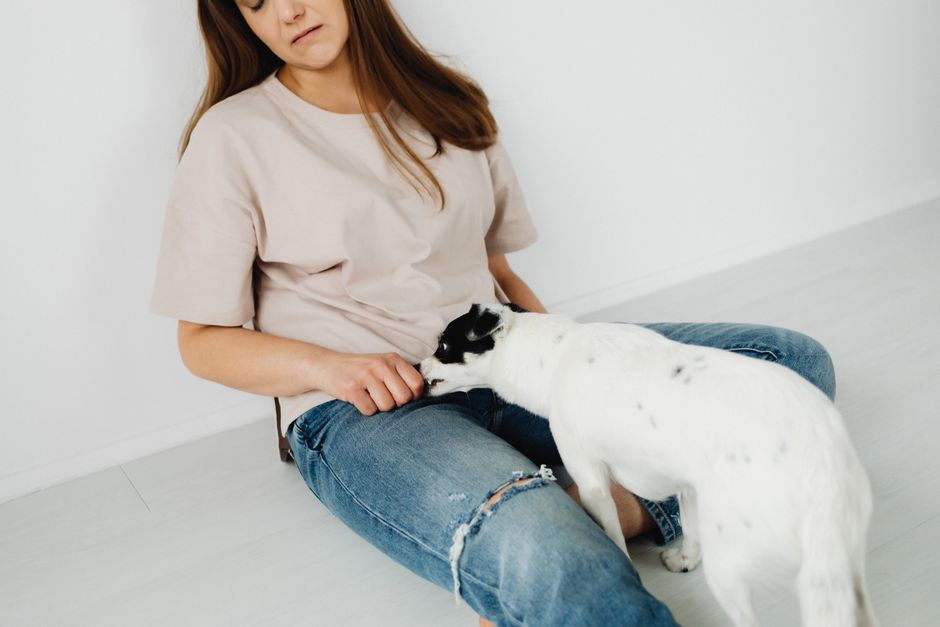
A calming aid earns its place when it supports a training plan, fits the dog’s health needs, and has a clear trial period; Adaptil Calm is the most sensible first purchase for mild home unease, while Purina Pro Plan Veterinary Supplements Calming Care, often sold as 30 daily sachets for roughly $25 to $35, belongs in the veterinarian conversation because supplements can interact with health conditions and other products; VetriScience Composure chews, commonly priced around $20 to $30 for a 60-count container, may suit a dog who accepts a chew but should not become a substitute for exposure practice; a food toy such as the KONG Classic or West Paw Toppl is the better value for a healthy dog whose stress responds to licking and predictable enrichment; none of these choices is the right answer for a dog who is injuring himself, destroying doors during absences, showing aggression from fear, or experiencing a sudden behavior change, because those signs call for professional assessment rather than a larger stack of calming products.
Track progress and avoid the common traps
Use a weekly score from zero to five for each trigger, where zero means relaxed and five means panic. Note the distance, sound level, food accepted, and minutes needed to recover. This turns a vague feeling of failure into a useful record.
- Do not punish barking, hiding, growling, or shaking. These signals tell you that the plan moved too fast.
- Do not exercise an anxious dog until he is exhausted. Hard play can raise arousal and leave him less able to learn.
- Do not add several chews, supplements, scents, and new toys at once. You will not know what helped, and accidental overdosing becomes easier.
- Do not use food toys without checking chewing safety, portion size, allergies, and supervision during the first few sessions.
- Do not make every quiet moment a training session. Dogs need unprompted rest, predictable meals, sleep, and safe space.
After two weeks, keep the methods that lower stress and remove the ones that do nothing. After four weeks, review the log with your veterinarian or trainer if progress remains small. The most important takeaway is this: calm an anxious dog naturally by lowering the trigger, rewarding safe behavior, and increasing the challenge only while your dog still feels secure.