
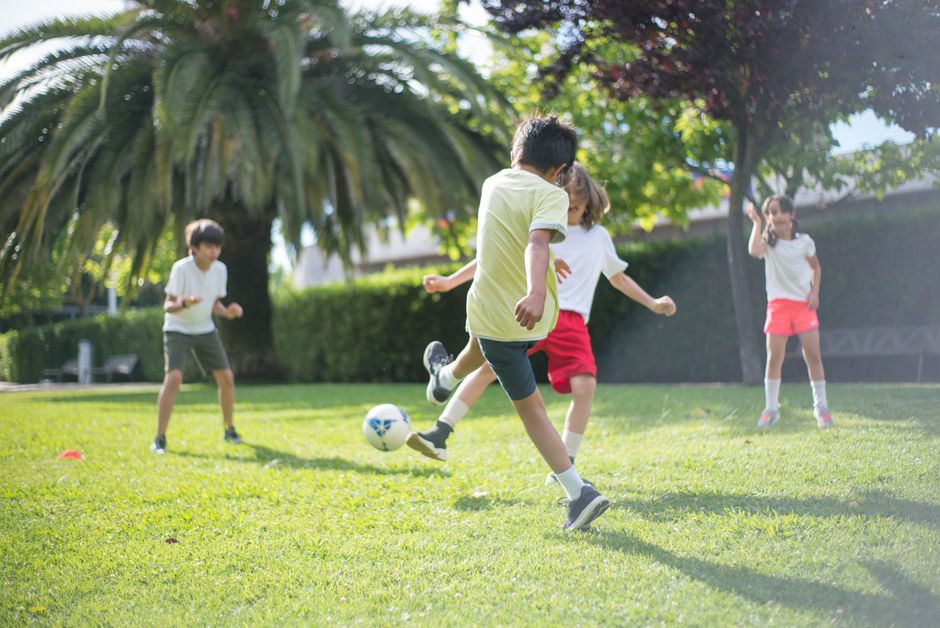
After a wet winter, the garden can look ready for play while hiding loose paving, weak branches, standing water, and muddy patches. A safe spring setup starts with the ground and ends with play equipment that fits your space, your children, and your pets.
Fix the ground first: drainage, shade, and pet-safe turf
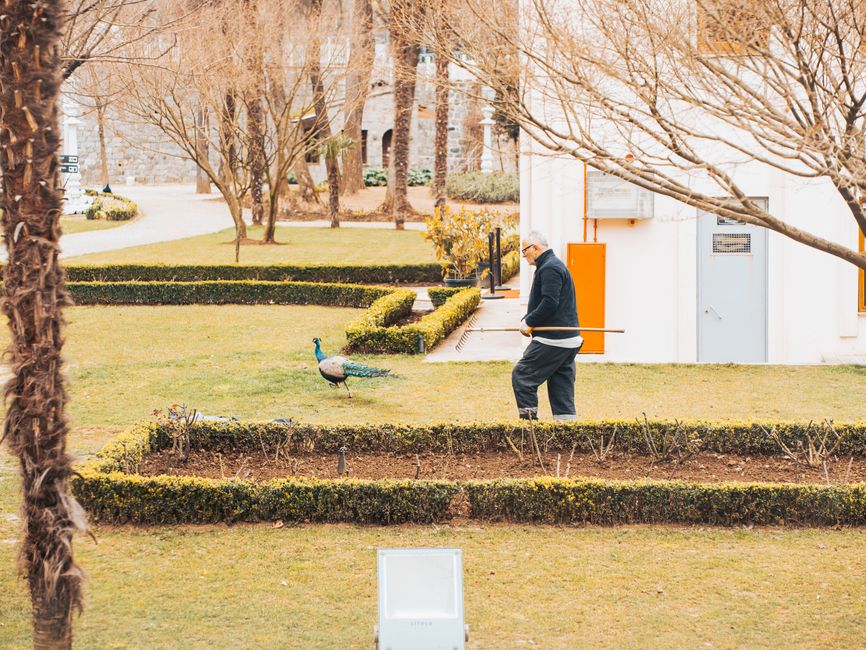
Build a surface that stays usable after rain
Family play depends more on the surface than on the toys. For faster results, use rolls of turf, but expect higher cost and regular watering during the first two weeks.
Rubber mulch and engineered wood fiber work well under fixed play equipment, but they need an edge to stop material spreading across the lawn. Avoid loose gravel in areas used by toddlers or dogs. Small stones can enter shoes, mouths, and paws. Artificial turf gives a clean look, yet it can become hot in direct sun and may hold pet odors unless the base drains well.
Add shade without creating a new risk
Young children burn quickly during spring’s first warm weekends. Place active play where a mature tree or fixed shade sail covers part of the area between 10 a.m. and 3 p.m. Check branches before relying on a tree. Dead limbs above a play zone deserve professional removal.
For pets, keep one cool retreat close to the house. The Coolaroo Original Elevated Pet Bed is a practical example: its raised design improves airflow, and the medium bed is about 35 by 23 inches.
Verdict: choose drainage and shade before decorative landscaping. A plain, dry surface with a cool rest spot beats a beautiful garden that becomes unusable after one shower.
Which garden play equipment earns its space?
Compare the strongest choices for a family garden
Use the table to compare the practical tradeoffs before choosing.
Know when not to buy the biggest option
A large wooden playset looks impressive, but it needs deep anchoring, regular bolt checks, and a generous fall zone. Skip it if your usable garden is smaller than about 20 by 20 feet, if the soil stays wet, or if an adult cannot see the structure from the house. A smaller product gives up height and novelty but gains safer supervision and easier maintenance.
The Keter Manor 4×3 Shed is not a play product, yet it can solve a real family problem by keeping balls, scooters, and tools locked away. Buy it only if local rules allow the size and if the base can stay level. Verdict: the Little Tikes basketball set is the best value for a small garden, while the Step2 sandbox is the best choice for toddlers who prefer open-ended play.
Use a simple spring setup schedule
Complete the work in the right order
- Day one: remove winter debris, inspect fences, test gates, and photograph any damaged paving before repairs.
- Day two: cut back dead branches, clear thorny growth, and move compost, chemicals, and tools behind a locked barrier.
- Day three: solve standing water. Clear drains, fill small hollows, and mark any area that still floods after 24 hours.
- Day four: repair the lawn or install the chosen safety surface. Keep children and pets away from fresh seed, wet treatment, and construction waste.
- Day five: add shade, then place play equipment so adults can see every active area from one standing position.
- Weekend: run a 10-minute test with the family. Check that gates latch, toys stay stable, paths remain clear, and pets have an exit from busy play.
Set a maintenance rhythm that people will follow
Inspect play equipment every Saturday during the first month. Shake each frame, check anchor points, and look for sharp edges. Rake loose surfacing back under swings and slides. After heavy rain, check for pooling, exposed roots, and muddy slips.
Use a small basket near the back door for balls, chalk, and gloves. Store larger items in one secure place. The Lifetime 90479 Kids Picnic Table can stay outside, but wipe food spills quickly and inspect the legs after storms. Simple storage reduces the chance that a child trips over a toy while chasing a pet.
Verdict: finish the garden in stages and test each stage before adding the next. A five-day setup plan creates fewer rushed decisions than trying to complete every job on the first sunny afternoon.
Family and pet garden questions answered
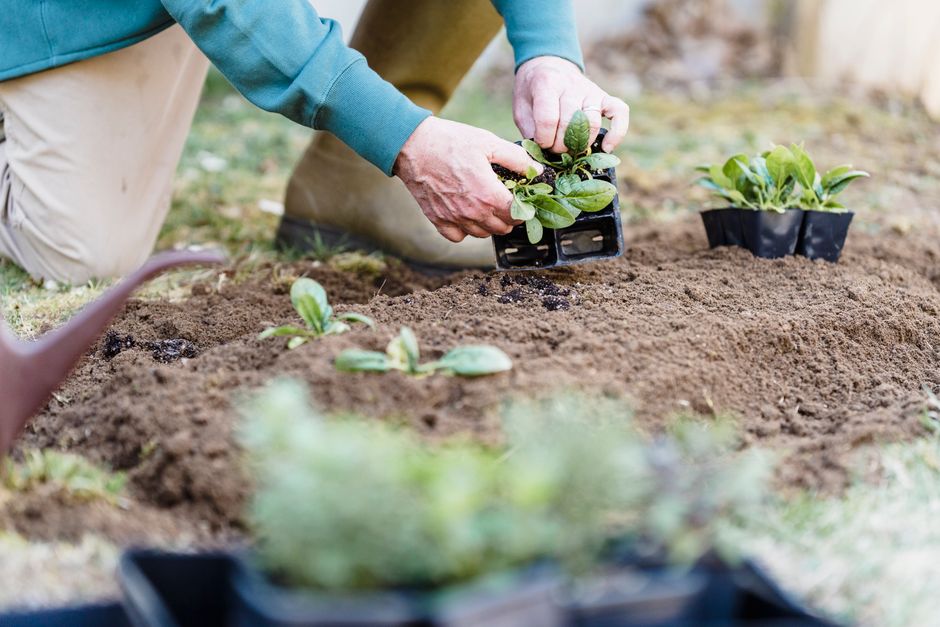
Can children and dogs use the same play area?
They can share a garden, but they should not share every surface at the same time. Keep the sandbox covered when unused and place pet bowls outside the main play route. Give the dog a separate bed and water station so it does not need to cross a running game to rest. The Coolaroo Original Elevated Pet Bed works well for this purpose when placed in shade, but it does not replace supervision.
Pick up dog waste immediately, then wash hands before food or sandbox play. Do not use lawn products until the label allows children and pets to return. If a dog guards toys, food, or a favorite corner, create a barrier rather than asking children to work around the behavior.
What should you do about plants and chemicals?
Remove unknown plants from the play zone, especially plants with bright berries, irritating sap, or sharp leaves. Keep slug pellets, weed killer, fertilizer, paint, and fuel in a locked container. “Natural” does not mean safe for children or pets. Even cocoa mulch can be dangerous if a dog eats it.
Choose edible crops in raised beds only when you can control soil, fertilizer, and access. Put thorny roses and prickly shrubs at the far boundary. Verdict: shared space works when active play, pet rest, food, and garden chemicals have clear boundaries. If your dog becomes stressed by noise, give it a quiet escape route instead of forcing constant contact.
The best spring garden is easy to reset
Choose flexible equipment when space is limited
My clear recommendation is to buy one activity, create one safe surface, and leave open lawn for movement. Families often buy a slide, trampoline, playhouse, water table, and climbing frame before learning how much room each item needs. The result is a crowded garden where adults cannot see across the space and children cannot run safely.
Choose equipment that earns use in more than one season. A sandbox can become a construction site, a digging bed, or a sensory area. A picnic table can support drawing, snacks, board games, and outdoor homework. An adjustable basketball goal can serve throwing practice even when nobody plays a full game.
Know when a product is the wrong answer
Do not buy artificial turf if your garden has poor drainage or a dog that urinates in one small area. Do not buy a permanent playset if you expect to move within two years. Do not buy a shed if local planning rules or a narrow access path make installation uncertain. Rent, borrow, or rotate equipment when your children are still changing interests quickly.
At the end of each play session, return toys to storage, cover the sandbox, check the gate, and clear food scraps. That reset takes minutes and prevents the next sunny afternoon from beginning with a cleanup job. Verdict: the winning garden is not the one with the most equipment. It is the one where children can run, pets can rest, adults can supervise, and everyone can return outside tomorrow.
When spring first brings the family outdoors, the garden should feel open rather than fragile. Once the ground is dry, the boundaries are secure, and each activity has a clear place, children can play while pets settle nearby and adults keep the whole space in view.