

How do you keep children entertained during the summer holidays without handing them a screen every time they say they are bored? Give the day enough structure to get started, enough freedom to stay interesting, and a backup plan for heat, rain, and sibling arguments.
Choose activities that survive the ten-minute test
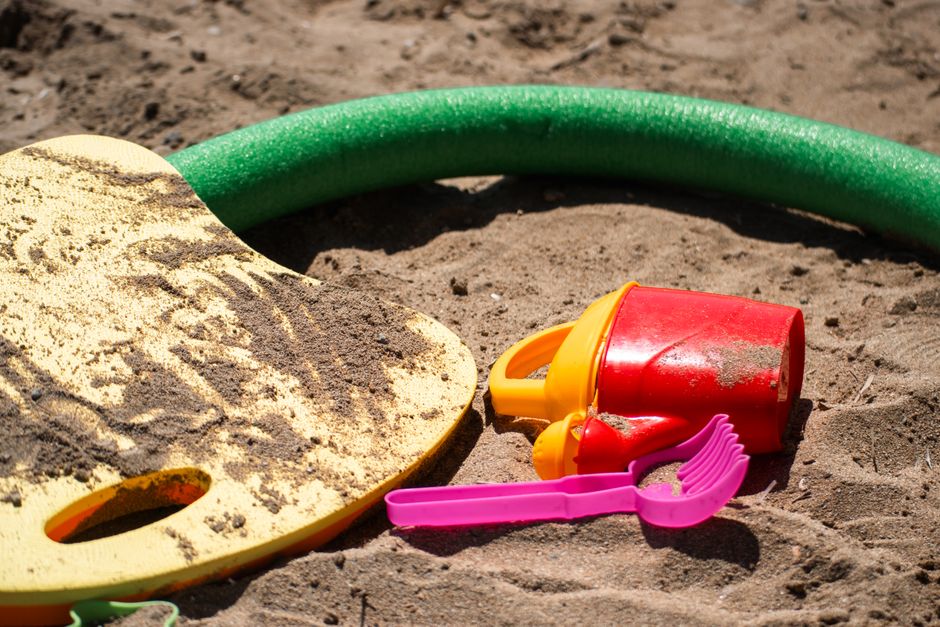
The 20-minute test
Many activities fail because they require too much preparation and offer too little payoff. Before adding an idea to your list, ask three questions: Can the child begin it alone? Does it have a clear first step? Can it become harder or sillier after ten minutes?
- Start with a visible action. Put the paper on the table, fill the bucket, draw the first chalk line, or place the building materials in one box.
- Add one challenge. Ask for a bridge that holds a toy, a treasure map with three clues, or a race course with five stations.
- Leave room for a twist. Let children change the rules, swap teams, add a story, or make the activity harder.
- Stop before everyone is exhausted. A good activity should leave children ready to try a variation tomorrow.
The reset rule
When a child says an activity is boring, do not instantly produce a new one. Give the activity one reset. A plain drawing task becomes a postcard shop. A walk becomes a hunt for five textures. A pile of cardboard becomes a shop, spaceship, or animal clinic.
If the child still refuses after the reset, move on. Adults waste more energy forcing a failed activity than choosing a better one. The goal is not to make every idea work. The goal is to teach children how to adjust an idea when the first version falls flat.
Match the activity to the energy level
A simple choice table for hot, rainy, and restless days
Use the table below when the children are bored but you are too tired to invent a new plan. Pick the row that matches the mood, then give the activity a clear finish line. A finish line matters because open-ended tasks can feel like work.
| Situation | Best activity | Preparation | Clear finish line |
|---|---|---|---|
| High energy before lunch | Garden obstacle course | Chalk, cushions, buckets, and a timer | Complete three rounds without skipping a station |
| Too hot outdoors | Indoor camping den | Sheets, chairs, books, and a picnic plate | Build the den, choose a name, and eat inside |
| Rainy afternoon | House treasure hunt | Ten written clues and one final prize | Find every clue and redraw the route |
| Sibling tension | Team construction challenge | Blocks, cardboard, tape, and a toy passenger | Build a structure that carries the passenger |
| Low energy before dinner | Story dice or drawing prompts | Paper, pencils, and six simple prompts | Finish one short story or six-panel comic |
Why the match matters
A restless child needs movement before they can settle. An overheated child needs shade and water before they can cooperate. Two siblings who have argued for an hour should not be sent into a competitive game with one winner. That is asking for another argument.
Choose the mood first and the activity second. This small change saves time because you stop offering quiet crafts to children who need to run, or outdoor games to children who are already worn out. It also prevents the common mistake of treating boredom as one single problem.
Keep the materials in separate boxes so the activity can begin quickly. If setup takes longer than five minutes, children will lose interest before the first turn. The simplest plan is usually the one that gets used.
Keep one shelf of reliable tools, not a room full of toys
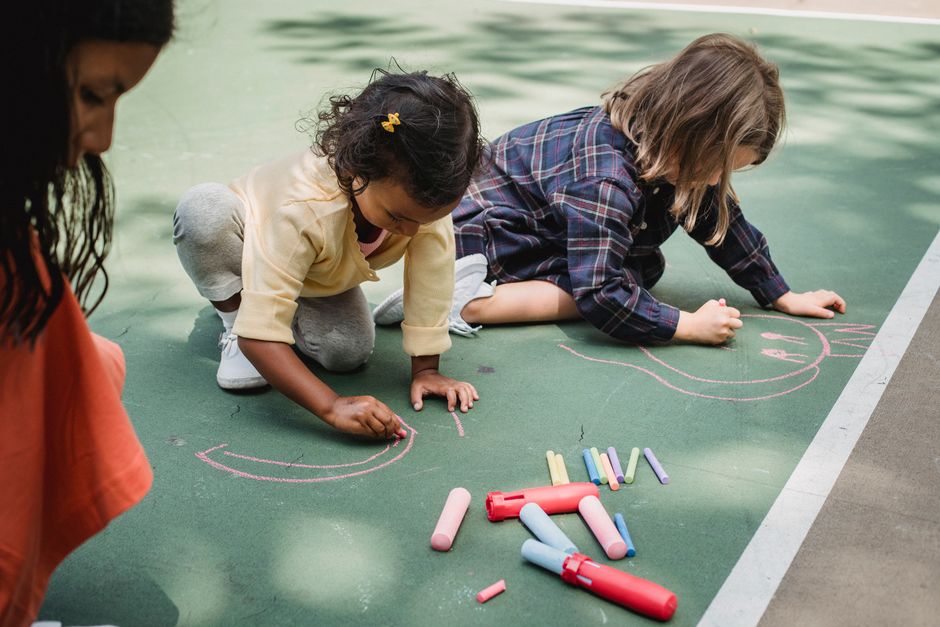
The strongest low-screen kit
Buy fewer materials and make each one do several jobs. A small shelf with paper, washable paint, chalk, string, cardboard, tape, a ball, and building pieces will support more play than a cupboard packed with single-purpose toys.
For families who want a ready-made starting point, the LEGO Classic Large Creative Brick Box 10698 is the best building choice. It includes 790 pieces and a storage box, so children can build houses, vehicles, animals, or game pieces without needing a fixed model.
For younger children, Melissa & Doug Jumbo Cardboard Blocks offer 40 lightweight blocks that can become towers, walls, roads, and pretend shops. This is the better pick for open-ended floor play.
When a structured kit helps
Ravensburger GraviTrax Starter Set suits children who want a problem to solve rather than a blank box of parts. The standard set has more than 100 pieces and focuses on building marble runs. Choose it for a child who enjoys testing, changing, and rebuilding. Do not buy it for a child who dislikes careful setup.
For outdoor play, the Little Tikes Easy Score Basketball Set works because the hoop adjusts through six height positions and the large ball makes early success likely. It is a useful choice for a small garden, but not for a family with no safe space to throw a ball.
That is the key buying rule: purchase a tool that creates several activities, not a toy that delivers one short trick. Do not buy a screen-free kit simply because it is marketed as educational. If the materials need adult instructions for every step, they will not solve afternoon boredom.
What should you do when siblings keep fighting?
Should siblings always play together?
No. Forced togetherness makes small disagreements worse. Give children a shared goal only when they can each control a different part of the task. One child can draw the treasure map while another hides the clues. One can build the road while another creates the traffic rules. Shared work reduces arguments because the roles are clear.
If the children are already shouting, separate them for ten minutes. One child can read or draw while the other takes a short outside break. Then offer a task with a physical result, such as washing bikes, making paper planes, or building a cardboard animal. Talking about fairness while everyone is angry rarely works.
What if one child finishes first?
Give the faster child a helper role, not control of the whole game. They can design the next challenge, write the scorecard, collect materials, or test the rules. Do not make them the permanent teacher. Children resent being told to manage a sibling while the other child gets to play.
Use cooperative scoring when possible. Count completed stations, found objects, or successful attempts rather than declaring one winner. Competition is fine when the children ask for it, but it should not be the default solution to boredom.
How do you stop the same child from choosing every activity?
Rotate control by day or by activity. One child chooses the morning plan, the other chooses the afternoon plan. If there are three children, use a visible turn card. The rule must be simple enough that nobody needs to ask an adult to judge it every time.
Keep one non-negotiable boundary: nobody may destroy another child’s work. Children can reject a game, but they cannot knock down the den, hide the materials, or change the rules halfway through. That boundary protects the play without requiring constant adult refereeing.
Know when not to buy anything

The short verdict
If your children already have cardboard, paper, balls, books, and outdoor space, do not buy another entertainment product. Start with a three-day rotation using what is already in the house. Most summer boredom comes from weak prompts and slow setup, not a shortage of objects.
Use free alternatives first
Borrow sports equipment from a neighbour, swap craft materials with another family, visit the library, or create a walking route with clues. A public playground, local pond, community garden, or free museum day can provide more variety than another box in the playroom.
Buy a new kit only when you can name the exact problem it solves. A building set may help a child who needs a quiet challenge. A ball may help a child who needs daily movement. A craft box may help a child who enjoys making gifts. If you cannot name the use, wait.
The strongest screen-free summer holiday plan is not expensive. It is visible, repeatable, and flexible enough to survive a hot afternoon, a rainy morning, and two children changing their minds.