
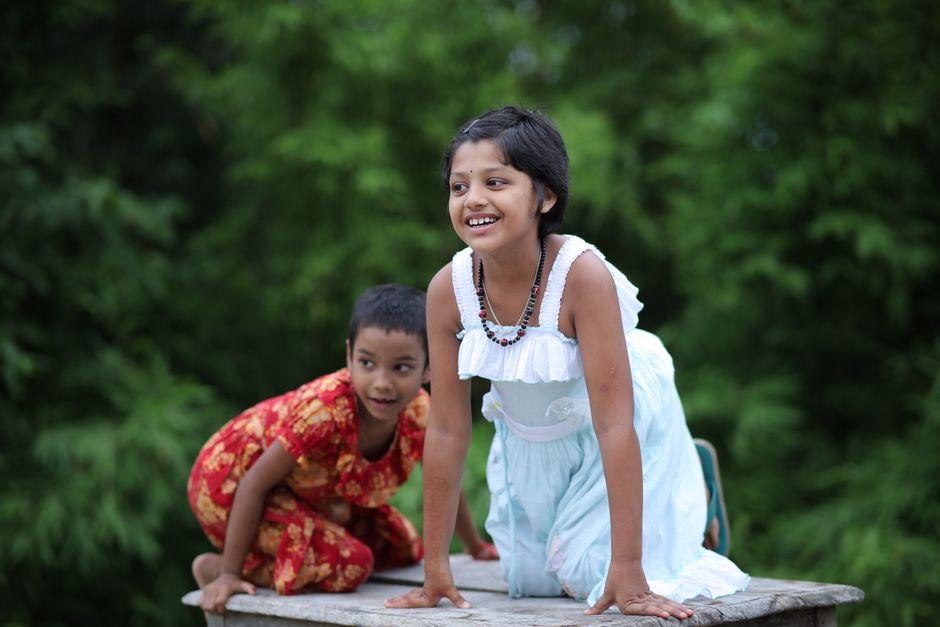
How can you celebrate the end of school without creating one more exhausting event, then move into summer with a plan your children and pets can actually handle? Keep the celebration short, make the first week flexible, and build the summer around a few reliable anchors instead of filling every day.
How do you celebrate without making parents do all the work?
Start with a celebration that has fewer moving parts than the school year itself. Children remember attention more clearly than expensive decorations, complicated food, or a packed guest list. Give each child one job, then stop adding tasks.
Use this five-step plan
- Pick one place. Use the garden, a nearby park, the kitchen, or the living room. Moving guests between several locations creates more work and more chances for arguments.
- Serve one reliable meal. Pizza, sandwiches, tacos, fruit, or a family favorite is enough. Add one dessert that feels different from a normal weekday treat.
- Plan one activity. Try a backyard treasure hunt, a water-painting station, a family quiz about the school year, or a walk where everyone chooses the route.
- Give children ownership. Let them choose the music, name the event, draw a menu, or make place cards. Ownership turns a simple gathering into their celebration.
- Protect the next morning. Do not schedule an early appointment, long drive, or demanding chore immediately after the event. Summer should begin with recovery, not a rushed reset.
Skip party favors unless they solve a real problem. A small book, sidewalk chalk, or a homemade certificate is more useful than a bag of plastic items that will be forgotten by bedtime.
My clear verdict: keep the event at home or within walking distance, invite only the people your child genuinely wants there, and let the children handle the visible details while adults handle safety and timing.
How do you turn free time into a summer routine?

Summer needs structure, but not a school timetable. Children usually cope better when they know what stays stable and what can change. Build the week around three anchors: a reliable wake-up range, one daily outside period, and a predictable quiet block. Everything else can move.
A practical first-week schedule
| Time | Family anchor | Why it helps |
|---|---|---|
| 7:30–9:00 | Wake, breakfast, wash, and get dressed | Stops the day from drifting into an afternoon start |
| 9:00–11:00 | Outdoor play, errands, or a short outing | Uses cooler morning hours and adds movement |
| 11:00–1:00 | Lunch and flexible indoor time | Creates a natural pause before heat and fatigue build |
| 1:00–2:30 | Reading, audio, crafts, or rest | Protects quiet time without calling it school |
| 2:30–5:00 | Water play, friends, garden tasks, or free choice | Leaves room for social plans and spontaneous play |
| 5:00–7:30 | Dinner, pet care, and a short family walk | Closes the active part of the day with repetition |
Keep the plan visible and small
Write only three items on a daily board. Too many promises turn the plan into a list of failures. Let children choose between two options for the flexible block, such as bike ride or craft, park or paddling pool. This gives them control without asking them to manage the whole day.
Do not plan every week before summer starts. Schedule one special outing, one low-cost local activity, and several empty afternoons. Empty time is not wasted time. It gives children room to invent games, recover from travel, and notice what they actually enjoy.
How can you include pets in a safe summer routine?
Pets need a summer plan built around temperature, rest, and predictable care. Children can help, but adults must remain responsible for water, medication, transport, and signs of heat stress. A child may happily promise to walk the dog every morning and forget after three days. The routine must still work when enthusiasm fades.
Set the walking window before the heat
For dogs, schedule the longer walk early in the morning or after sunset. Test pavement with the back of your hand for several seconds; if it feels too hot for your hand, it is too hot for paws. Keep midday activity short and choose grass or shaded paths. Bring water for longer outings, and never leave a dog in a parked car, even with a window open.
The Ruffwear Front Range Harness is a useful example of gear chosen by measurement rather than appearance. It has a back V-ring, a reinforced front attachment point, reflective trim, and sizes based on rib-cage girth from 13 to 42 inches. If your dog measures between sizes, Ruffwear advises choosing the larger size. For a dog that pulls, the front attachment can help redirect movement, but it does not replace leash training.
Give children jobs that are easy to check
A child can refill a water bowl, place treats in a puzzle toy, brush a calm pet, or check that a gate is closed. Use a picture checklist for younger children. Keep the jobs short and specific. “Look after the dog” is too vague. “Fill the bowl to the line and tell an adult” is clear.
Plan for indoor pet enrichment
The KONG Classic, selected in the correct size, can provide a food-filled activity when outdoor time is limited. Introduce it while an adult is watching and remove it if the toy becomes damaged. Do not use small children’s toys as pet toys. A summer routine succeeds when pet time feels like part of the family day, not an extra emergency task.
My verdict is firm: make early walks, shaded rest, fresh water, and supervised enrichment the pet schedule; let children assist, but never make them the only safety check.
What usually goes wrong with summer planning?
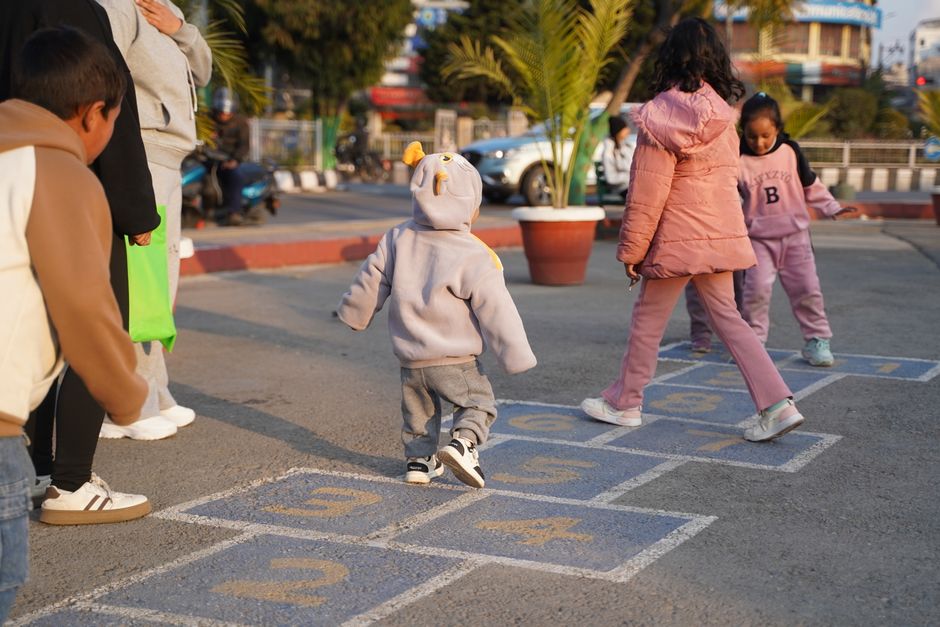
What if the child rejects the plan?
Do not defend the schedule as if it were a rulebook. Keep the three anchors and replace the flexible activity. A child may reject a planned nature walk but accept a picnic on the same route. Offer two choices, not ten. Too many choices feel like another task.
What if every day becomes screen time?
Set the screen rule before the first difficult afternoon. Try a sequence such as outside time, lunch, quiet time, then screens. Avoid using screens as a reward for every small action, because that makes them the center of the day. If a child is exhausted, ill, or dealing with a major change, lower the expectation for a few days and return to the routine gradually.
What if the family overspends?
Set a summer activity budget before booking trips or buying supplies. Divide it into special outings, local activities, food, and a small reserve. Free library events, public parks, garden projects, and neighborhood walks can carry much of the season. Do not buy a full set of equipment for an activity your family has not tried. Rent, borrow, or use what you already own first.
The common mistake is treating summer as a performance. A full calendar, expensive activity, or perfect photograph cannot compensate for a family that has no time to rest. The useful plan is the one that survives a rainy day, a tired parent, a bored child, and a pet that needs an earlier walk.
What is the best end-of-school-year plan for most families?
Use a small celebration followed by a deliberately open first week. On the final school day, serve one favorite meal, invite only the people your child wants to see, and mark the year with one repeatable family ritual; the next morning, keep the schedule light and introduce only three anchors—regular meals, outdoor time in safe temperatures, and a quiet period—because those anchors give children freedom without letting the whole day dissolve into arguments or exhaustion.
For the rest of summer, plan one meaningful outing each week, protect several unplanned afternoons, and assign children short pet-care jobs that an adult can verify; buy a LEGO Classic Large Creative Brick Box 10698 only if small pieces are safe in your home, choose the Yoto Mini 2026 Edition only if audio fits your screen-light routine, and choose dog gear by measured fit, such as the Ruffwear Front Range Harness, rather than by color or brand loyalty.
This is the plan I recommend for 2026: celebrate briefly, recover fully, spend carefully, and repeat the routines that make family life calmer; a successful summer is not the one with the most activities, but the one where children know what comes next, pets stay safe, and everyone has enough unplanned time to enjoy being together.