
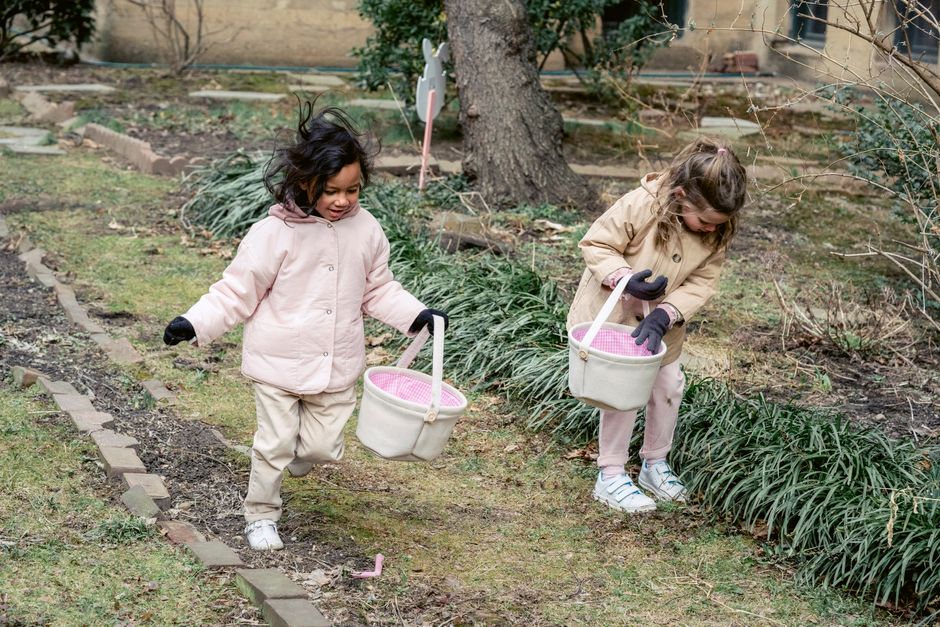
The eggs are hidden, the children are ready, and one rainy forecast can wreck the whole Easter plan. A successful holiday does not need an expensive venue; it needs clear rules, age-appropriate games, safe food, and a backup that can move indoors within minutes.
How to Plan an Easter Egg Hunt for Mixed Ages
Give every age group a fair search
The biggest Easter egg hunt mistake is treating a two-year-old and a ten-year-old as equal competitors. Older children run faster, spot bright colors sooner, and can reach higher hiding places. That turns the event into a scramble instead of a family activity.
Use three hunt zones. Put large, easy-to-see eggs on low grass or patio areas for children under four. Give children aged five to seven a wider area with simple clues. Let older children solve a short riddle or follow a color pattern, but cap the number of eggs they may collect. A fair hunt gives each child a clear way to succeed.
- Count the children before hiding anything, then prepare at least six eggs per child.
- Use different egg colors for each child when the ages vary widely.
- Set a ten-minute search limit so the fastest children do not empty the garden.
- Keep one bonus basket for teamwork rather than rewarding only the largest haul.
- Check every hiding place before children enter the area.
Build a plan that survives bad weather
Choose indoor substitutes before Easter morning. Hide paper clues under chairs, behind cushions, and beside bookshelves. Replace running with a puzzle trail, a decorated-egg contest, or a “find the bunny” picture hunt. Draw a simple floor map and mark no-go areas near stairs, hot cooking surfaces, fireplaces, and pet food.
The strongest plan is the one adults can explain in under two minutes. Children should know where the hunt starts, how many eggs they may collect, and what to do when they find a broken egg or an unfamiliar object.
Which Easter Games Keep Children and Pets Safe?

Can dogs and cats join an Easter egg hunt?
Yes, but pets should have a separate hunt. Chocolate, sugar-free sweets containing xylitol, foil wrappers, plastic pieces, and small toys can all create serious problems. Ask children to leave food-filled eggs closed until an adult checks them. Keep dogs away from the main search if children are running, shouting, or carrying baskets at face height.
For a pet hunt, use a few pieces of the animal’s normal food in open paper cups or cardboard boxes. Place them on the ground in a quiet room or fenced area. Never hide treats inside sealed plastic eggs that a dog could chew. Cats usually prefer a calm search with treats placed near boxes, tunnels, or familiar resting spots.
What rules prevent the common accidents?
Use plastic eggs only after checking for cracks and sharp edges. Do not hide eggs near roads, ponds, compost bins, thorny plants, or garden chemicals. Mark stairs and steep slopes with brightly colored tape. Assign one adult to watch the search and another to handle food, photos, and disputes.
Keep a first-aid kit, drinking water, sunscreen, and a charged phone nearby. Check the weather two hours before starting, not only the night before. Wind can move lightweight eggs, while wet grass can make running unsafe. If a child has a food allergy, label every treat and offer a sealed alternative rather than asking the child to guess.
Clear boundaries beat elaborate decorations. A short, supervised hunt with safe food creates better memories than a larger event that leaves adults chasing children, pets, and loose objects at the same time.
What Should an Easter Activity Budget Include?
Use a small equipment budget before buying decorations
Most families can build a useful Easter activity kit for less than the cost of a restaurant meal. Buy items that serve more than one purpose: a basket can store toys after the holiday, washable markers can support rainy-day crafts, and plain plastic eggs can work for treasure hunts, counting games, or color matching.
Prices are planning examples rather than promises.
The clear budget winner is a basic basket plus plain eggs and paper crafts. A character basket makes sense only if the child will reuse it for toys or storage. Buying prefilled eggs often costs more and creates more packaging, so choose them only when the saved preparation time matters more than flexibility.
Which activity gives the best value?
For toddlers, choose a color-matching hunt because it uses the same eggs repeatedly and teaches sorting. For school-age children, a clue trail gives more play time without requiring more supplies. For mixed family groups, use a short hunt followed by a shared craft. That combination limits competition and keeps the total budget predictable.
When Does a Home Easter Hunt Need Insurance?
What coverage may already apply?
For a private gathering at your home, review existing liability coverage before buying anything extra. A homeowners or renters policy may cover certain accidental injuries or property damage, subject to its limits, deductible, exclusions, and the facts of the claim. It does not turn an unsafe activity into a covered one.
| Situation | Coverage question | Warning |
|---|---|---|
| Family and invited friends at home | Does personal liability apply to an invited guest? | Exclusions and limits still control |
| Public park hunt | Does the city require a permit or certificate of insurance? | Park rules may require separate proof |
| Paid tickets or donations | Does the policy exclude business activity? | Personal policies may not cover commercial events |
| Inflatable, trampoline, or rented equipment | Is the item excluded or subject to a special condition? | Read the equipment and injury exclusions first |
| Alcohol, animals, or hired entertainers | Are related claims excluded or limited? | Do not assume standard liability covers every risk |
When should you get another quote?
A paid public event, rented venue, inflatable attraction, or large guest list deserves a conversation with an agent or broker. Ask for written answers about guest injury, property damage, rented equipment, volunteers, food service, and cancellation. State rules differ. No U.S. state generally forces a homeowner to carry homeowners insurance, although a mortgage lender may require it, and local parks or venues can impose their own insurance conditions.
Compare the insurer’s current AM Best financial-strength rating with its latest available J.D. Power customer-satisfaction score, but treat both as screening tools rather than claim guarantees. Financial strength speaks to the carrier’s ability to pay valid claims; a satisfaction score reflects surveyed service in a region or product category. Neither replaces the policy wording.
Premiums vary by state and individual factors, including property type, limits, claims history, event size, and selected deductible. Get multiple quotes and compare exclusions line by line. For a small private hunt, spending money on supervision and safer boundaries usually creates more value than buying a policy the activity does not require.
How Can Families End the Holiday Without a Meltdown?

Use a predictable final hour
Children often lose control after the exciting part ends, especially when sugar, noise, and missed naps combine. Announce the timetable before the hunt: ten minutes to search, fifteen minutes to eat, twenty minutes for a craft, and a clear finish time. Give a five-minute warning before each change. Let children choose one final activity rather than adding surprise games.
- Serve water before sweets.
- Offer a savory snack alongside chocolate.
- Collect every plastic egg before pets return to the area.
- Photograph baskets before treats are opened.
- Send extra candy home instead of extending the event.
Choose the right final activity
For tired toddlers, use a quiet sticker scene or a short story. For older children, ask them to design next year’s clue trail or create a paper map of the hunt. For pets, finish with a calm walk or a normal meal rather than extra treats.
The strongest Easter activity is not the most elaborate one. It is the plan that gives every age group a fair role, keeps food and pets under control, and leaves enough energy for the rest of the holiday. As families favor flexible, lower-waste celebrations, simple hunts and reusable games will keep gaining ground over single-use Easter entertainment.