The common misconception is that a long January evening needs an expensive new toy or a packed schedule. It usually needs less friction. At 6:30 p.m., one child is hungry, somebody has lost a sock, the dog is pacing, and every person in the house is too tired to learn a complicated game. By 7:00, everyone has a separate screen.
The fix is a short menu of indoor family games with clear start points, flexible rules, and enough movement to keep restless children involved. I have found that the best evenings do not run for three hours. They run for 45 minutes, stop before tempers rise, and leave everyone willing to play again tomorrow.
Why January evenings feel longer than they are
My verdict: treat the problem as low energy and high setup friction, not a lack of entertainment. A good activity should be visible, easy to explain, and possible to finish before bedtime.
The real problem is friction
January brings early darkness, cold floors, wet coats, and routines that feel repetitive after the holidays. Adults often suggest an activity by asking, What does everyone want to do? That question sounds fair, but it creates another decision when the household is already tired. Put three choices on a shelf instead: a movement game, a thinking game, and a making activity.
Keep the materials together in one basket. Use a shallow tray for cards, pencils, dice, and a timer. If setup takes more than five minutes, the activity will lose to television on most weeknights.
Build an evening with a natural stop
Start with ten minutes of movement, follow with 25 minutes of focused play, then finish with a calm task such as drawing, reading aloud, or building a blanket den. This rhythm works because children get a physical reset before they are asked to sit still.
Do not promise an entire night of family bonding. Promise one round. A small commitment feels manageable, and a second round can happen when the first one ends well.
How to choose an activity the family will repeat
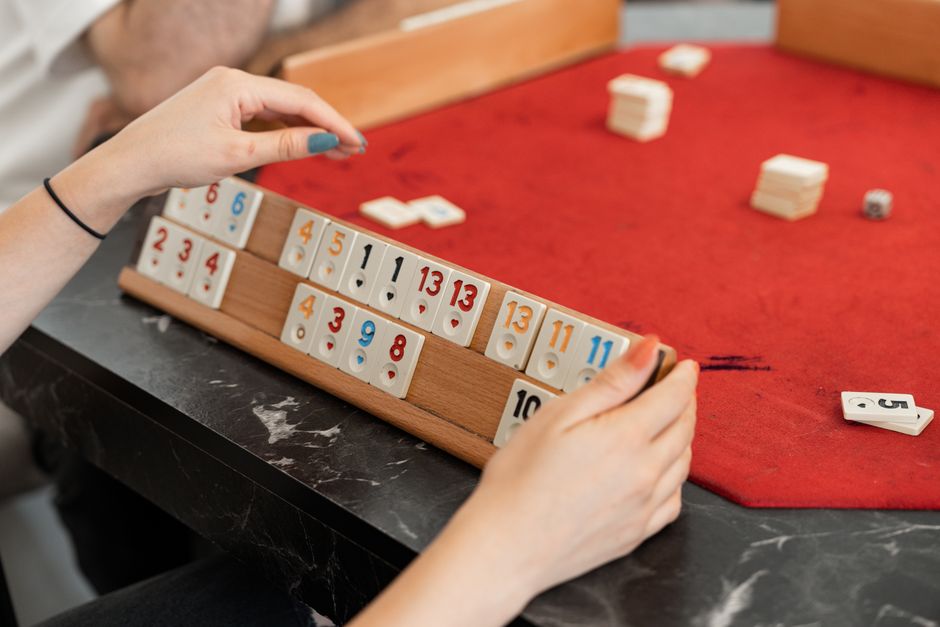
My recommendation: choose for the youngest willing participant, then add a simple challenge for older players. A game that excludes one tired six-year-old will not become a family tradition, no matter how highly adults rate it.
Use this five-minute selection test
- Can someone explain the first turn in under two minutes?
- Can a child join after the activity has started?
- Does the game survive a small amount of noise and movement?
- Can players finish a round in 20 to 45 minutes?
- Will the pieces remain useful if one rule is removed?
If the answer is no to three or more questions, save the activity for a weekend. Weeknight success depends on forgiving rules. A cooperative treasure hunt can use household objects instead of printed clues. A drawing contest can use three-minute rounds instead of a long scoring system. Flexibility matters more than novelty.
Match the activity to the room
Small rooms favor word games, charades, drawing, and two-player card games. Open rooms can handle relay races, balloon volleyball, and floor-based building challenges. Protect one clear surface for tabletop play and one safe strip of floor for movement.
My strongest rule is to avoid activities that need a perfect mood. If the idea collapses when one child refuses to keep score, it is not a good January choice.
How to run a two-hour family game night without arguments
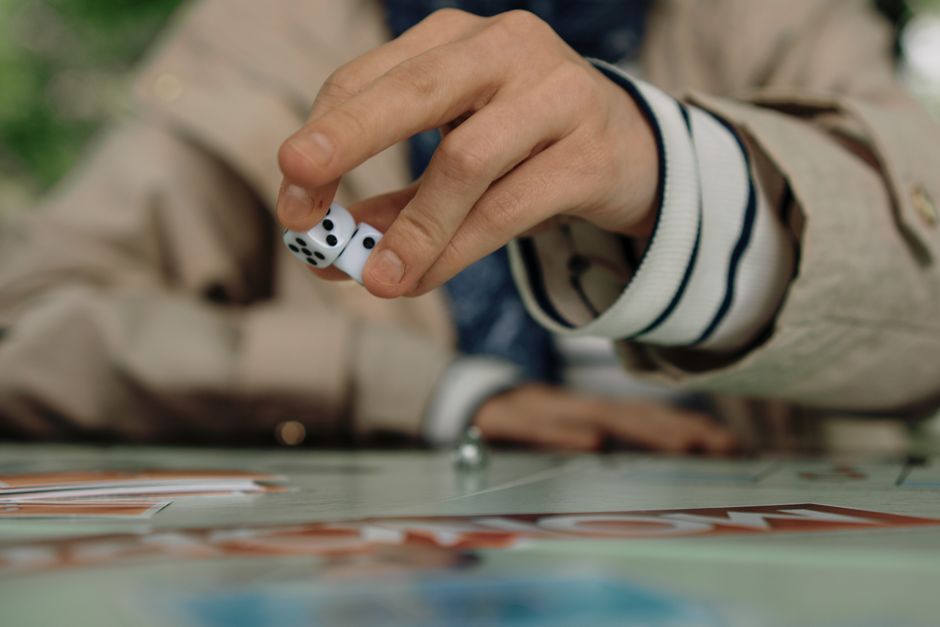
My preferred format is three short blocks, not one marathon game. The goal is to protect the mood. A family activity fails when the final 20 minutes are spent arguing over points, searching for pieces, or asking someone to put down a device.
Block one: reset the body
Use ten to 15 minutes of movement first. Try indoor bowling with rolled-up socks, a balloon kept off the floor, animal walks across a hallway, or a scavenger hunt with five safe objects. Set a timer before you begin. The timer removes the need for an adult to keep saying, One more minute.
Keep pets out of the running lane. A dog can watch from a mat, and a cat should have a clear escape route. No activity is worth a collision with a coffee table.
Block two: play one focused round
Choose one game and announce the finish line before opening the box. That might be two rounds, one completed map, or 30 minutes on the clock. Explain only the rule needed for the first turn. Add edge cases when they appear.
Give younger children a visible job if they cannot play fully. They can deal cards, hold the timer, sort colors, or choose the next category. A useful role keeps them inside the group without pretending they can follow every rule.
Block three: lower the volume
End with a quiet activity that does not have a winner. Ask everyone to draw the funniest moment, build a tiny shelter from cushions, or invent a three-line story about the family pet. This final block tells the brain that the evening is winding down.
Stop while the group still wants another round. Ending early is not a failure. It is how you make tomorrow’s invitation sound attractive.
Common questions about indoor family activities
What can a family do indoors without buying anything?
Make a category list with paper and pencils, then take turns naming items under a one-minute limit. Try household charades, a sock-matching race, a pillow maze, or a story in which each person adds one sentence. The strongest free activities have a clear boundary, such as five rounds or ten minutes. Open-ended suggestions often fade because nobody knows when to begin or stop.
How long should a family game last on a school night?
Aim for 20 to 45 minutes, including setup. Younger children often enjoy two ten-minute rounds more than one 30-minute round. Older children can handle longer play when the finish line is visible. If bedtime is near, use a game with a fixed number of turns rather than one that ends only when someone reaches a changing score.
What should parents do when siblings argue?
Pause the score and name the next action. One child may shuffle, another may choose the color, and the adult may explain the disputed rule. Avoid turning the parent into a courtroom judge for every small disagreement. If the same conflict repeats, remove the rule that causes it and finish the round with a simpler version.
Which games are worth buying, and which are not?
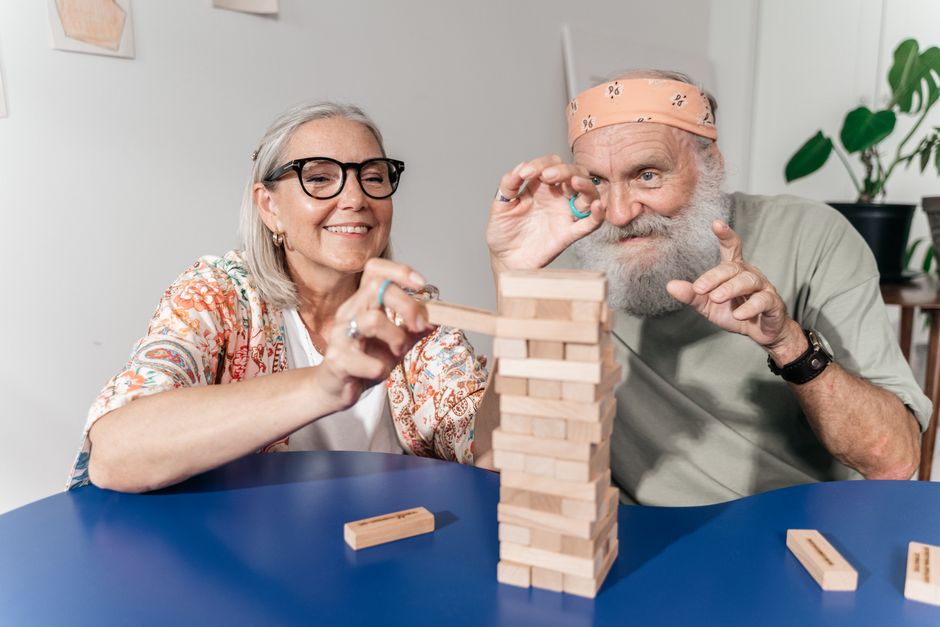
It does not demand reading skill or a fixed number of players.
Where the named games earn their space
It is a poor choice for a family with a wide reading gap.
Do not buy an advanced strategy game because the box promises family time. A game that takes 90 minutes to learn will sit unopened if weeknights are already crowded. Start with the shortest repeatable experience, then buy a more demanding title only after the family has played together several times.
Failure modes that waste money
- Buying for the age printed on the box instead of the youngest actual player.
- Choosing a game with tiny pieces when pets or toddlers share the room.
- Buying an expansion before the household has finished the base game.
- Expecting one purchase to solve boredom every night.
The best value is not the game with the most components. It is the one that comes off the shelf without a negotiation.
How to include pets without turning playtime into chaos
My rule is simple: pets can join the atmosphere, but they do not need to join every game. A dog may enjoy a short trick session between rounds. A cat may prefer a quiet perch nearby. Respecting that difference makes the room calmer for everyone.
Set up a safe pet station
Place a washable mat, water bowl, and one familiar toy away from the game table. Reward calm behavior there rather than waving treats over the board. Keep dice, tokens, tiles, batteries, and small building pieces off the floor. Small parts are a choking risk for pets as well as children.
Use pet-friendly breaks
Between rounds, let one child hide a toy for the dog to find, refresh the water, or practice a gentle sit-and-release routine. Keep the task under five minutes so it remains a break rather than another demanding activity. Never use food from the game table as a training reward, especially if the snack contains chocolate, grapes, onions, or xylitol.
A successful January evening is not a perfect family tableau. It is a repeatable habit that leaves children connected, adults less drained, and pets settled nearby. As homes rely less on one big entertainment plan and more on small flexible rituals, indoor family games should become easier to start, easier to adapt, and much harder to outgrow.