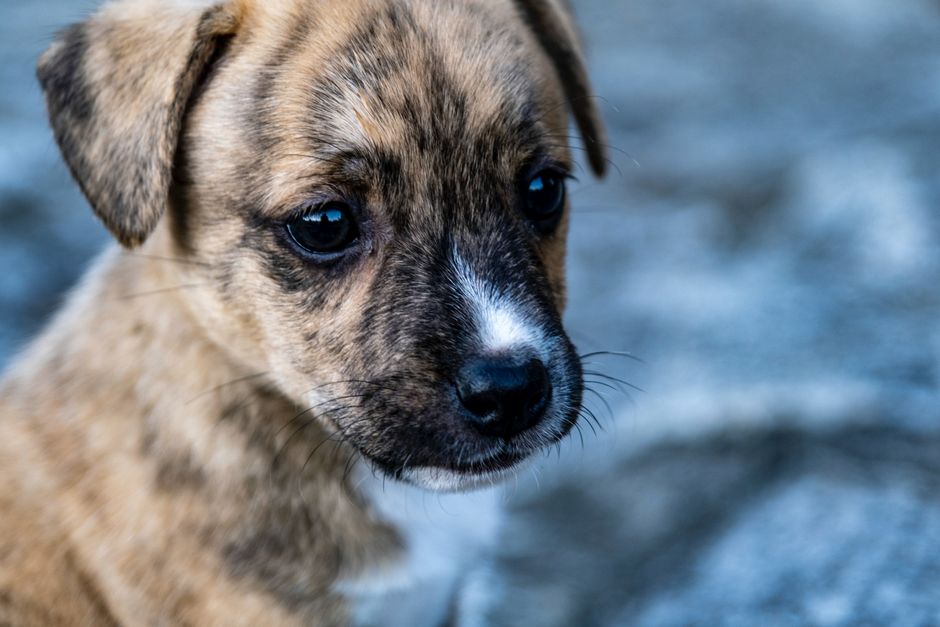
A young puppy may sleep 18 to 20 hours a day, yet the short periods of wakefulness can feel like a nonstop attack on hands, socks, and trouser legs. Puppy nipping usually comes from play, teething, excitement, or tiredness rather than a wish to hurt anyone. The fastest improvement comes from teaching one clear rule: skin makes the fun pause, while toys and calm behavior keep the interaction going.
Why Puppies Nip and When the Behavior Gets Worse
The first step is reading the moment correctly. A puppy that grabs a sleeve during a game has a different problem from a puppy that bites when a child touches its food. Most everyday nipping happens because puppies have poor mouth control and have not learned which human actions end play. They also investigate their surroundings with their mouths. Your moving hands are more exciting than a toy lying on the floor.
Play nipping is usually fast and bouncy
Play nipping often comes with a loose body, wagging tail, quick movement, and repeated attempts to restart the game. The puppy may bow, run away, then dart back toward your ankles. That pattern calls for a calm interruption and a replacement toy. Shouting, pushing the puppy away, or waving your hands can make the game more exciting. Turn your body sideways, freeze your hands, and offer a suitable chew once the puppy pauses.
Teething and tiredness change the bite
Teething can make chewing feel rewarding, especially between 12 and 24 weeks. A tired puppy can also become frantic, grabbing harder and ignoring familiar cues. If nipping rises after 30 to 60 minutes of activity, the answer may be a quiet nap rather than more training. Guide the puppy to a safe resting area, lower the noise, and remove rough play from the routine. The clear verdict is simple: identify the trigger before correcting the behavior, because a teething or exhausted puppy needs a legal chewing outlet and rest.
Use This Five-Step Response Every Time
Positive training works best when every person responds in the same order. The goal is not to punish the puppy for using its mouth. The goal is to make the result of nipping predictable and boring.
The five-second reset
- Freeze. Stop moving your hands, feet, and clothing. Motion rewards chasing.
- Mark the pause. The instant the puppy releases or looks away, say “good” in a quiet voice.
- Redirect. Place a toy on the floor or move it slowly away from your body.
- Reward the toy. Praise the puppy for biting the toy, then continue gentle play.
- End the session. If the puppy nips again twice in a few seconds, calmly step behind a gate for 20 to 30 seconds.
Why timing matters
Give the reward within one or two seconds of the desired action. If you wait until the puppy has jumped, barked, and grabbed another sleeve, the lesson becomes unclear. Keep several toys in the rooms where nipping happens. A family member should not need to run across the house to find one. This routine earns the strongest verdict for busy households: short, repeatable resets beat dramatic corrections.
Which Chew and Training Tools Actually Help?
The right tool does not train the puppy by itself. It makes the correct choice easy to repeat. Prices below are typical U.S. retail prices and can change by size or seller.
| Product | Approximate price | Best use | Verdict |
|---|---|---|---|
| KONG Classic Puppy | $9.99 to $15.99 | Stuffed, supervised chewing | Best first choice for food-motivated puppies |
| West Paw Toppl | $18.95 to $24.95 | Slow feeding and calm licking | Best for puppies who need help settling |
| Nylabone Puppy Chew Teething Keys | $8.99 to $12.99 | Textured teething sessions | Best budget option for supervised chewing |
| PetSafe Clik-R Clicker | $6.95 to $9.95 | Marking calm behavior | Best for families training the same cues |
Match the tool to the problem
Choose the KONG Classic Puppy when your puppy grabs people during quiet time and enjoys food. The West Paw Toppl works better when licking helps the puppy settle after a walk. The Nylabone option offers texture, but adults should inspect it often and remove it if pieces break off or the puppy can bite through it.
Do not confuse chewing with supervision
No chew toy belongs with a puppy that can destroy it in minutes. Avoid cooked bones, damaged toys, and very hard items that do not yield at all under pressure from your fingernail. For a family home, the KONG Classic Puppy is the clearest overall pick because it supports calm chewing and can be removed quickly when an adult needs to check the puppy’s mouth.
Teach Calm Greetings Before Asking for Perfect Manners
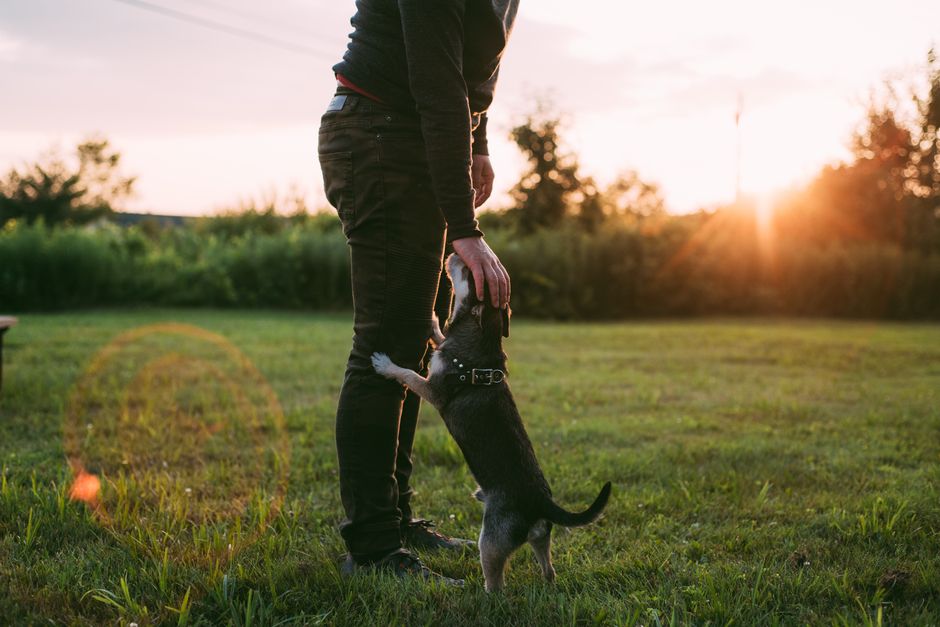
My strongest recommendation is to train calm greetings before trying to eliminate every playful bite. A puppy that can sit, touch a hand with its nose, and take a treat gently has useful behaviors to perform instead of grabbing. Start with one adult in a quiet room. Hold a treat inside a closed fist. When the puppy sniffs without biting, open your hand and give the treat. If teeth touch skin, close the fist and wait. Do not yank your hand away.
Build a replacement behavior
Once the puppy can wait for the open hand, ask for a sit before offering food or beginning a toy game. Keep the reward small so the puppy stays focused. Next, practice with a person walking past, then with a family member sitting on the floor. Increase only one difficulty at a time. Children should not run this exercise alone; an adult should control the treat and the puppy’s distance.
Use calm movement
Fast waving, squealing, wrestling, and chasing invite mouthy play. Family members should keep hands low and still, use a toy for tug, and release the toy when the puppy’s teeth touch skin. The winning rule is consistent across ages: calm behavior starts the interaction, and teeth on people end it. This teaches self-control without making the puppy afraid of hands.
Puppy Nipping Questions Families Ask
Should I say “ouch” when my puppy bites?
A sharp sound helps some puppies pause, but it excites others. Test a soft “ouch” once. If the puppy bites harder, barks, or keeps chasing, stop using the sound. Freeze, wait for release, and end the interaction. Quiet consistency works better than a loud reaction in a highly excited puppy.
What if the puppy bites during petting?
Keep petting sessions short and pair gentle touch with tiny treats. Touch one shoulder, feed, then stop. Repeat around the ears, collar, paws, and tail only when the puppy stays relaxed. If the puppy stiffens, turns away, growls, or snaps, stop and contact a qualified trainer or veterinarian. Those signs need a careful safety plan, not a home challenge.
How long does it take to stop puppy nipping?
Many families see fewer bites within one or two weeks when every person follows the same response, but teething can create ups and downs for several months. Track the time, trigger, and intensity of each episode. If the bites regularly break skin, target faces, happen around food, or worsen after consistent training, get professional help promptly. The clear answer: progress should trend toward softer, shorter, less frequent nips, not perfect behavior overnight.
Six Mistakes That Keep the Biting Going
Families often make the right effort at the wrong moment. These mistakes reward the behavior by accident or give the puppy too much freedom when its brain is tired.
Remove these common rewards
- Pulling away fast: This turns hands and ankles into moving prey.
- Playing with bare hands: The puppy learns that fingers are toys.
- Repeating “no”: Words without a clear replacement do not show the puppy what to do.
- Using the crate as punishment: The puppy may begin to dislike a useful rest space.
- Allowing exceptions: Rough biting from an adult is still confusing when children must follow another rule.
- Skipping naps: An overtired puppy often looks “naughty” when it needs sleep.
Know when a tool is the wrong answer
Do not buy a shock collar, spray deterrent, or harsh mouth correction for normal puppy nipping. These methods can suppress warning signals and make hands feel threatening. Do not buy a large basket of toys while leaving the puppy’s routine unchanged. A toy helps only when an adult notices the trigger, presents it early, and rewards the choice. For families with very young children, use gates and direct supervision first; equipment cannot replace separation and careful handling.
Build a Seven-Day Plan That the Whole Family Can Follow
For the next seven days, write three rules on the refrigerator: skin ends play, toys restart play, and tired puppies rest. Give every adult the same short script: freeze, wait, praise the release, redirect, and leave briefly if the nipping continues. Ask children to stand still like a tree and call an adult rather than waving a toy near the puppy’s face.
Daily practice schedule
| Time | Practice | Length |
|---|---|---|
| Morning | Hand target or sit before food | 2 minutes |
| Midday | Gentle toy play with release pauses | 3 to 5 minutes |
| Evening | Calm touch paired with treats | 2 minutes |
| Before bed | Quiet chew and supervised rest | 10 to 15 minutes |
Measure the right improvement
Count fewer incidents, softer contact, quicker releases, and faster recovery after excitement. A puppy that still nips but stops when the toy appears is learning. A puppy that becomes more intense needs shorter sessions, more sleep, and a professional assessment if safety remains a concern. The single most important takeaway is this: to stop puppy nipping, make biting people boring and make calm toy-based choices pay immediately.