

A pet first aid kit cannot replace a veterinarian, and it should not try to. Its real job is to control bleeding, flush away dirt, protect an injured area, and buy useful minutes while you call the clinic or travel there. Many owners make the opposite mistake: they fill a box with human medicines but lack the basic supplies needed for a torn nail, cut paw, eye irritation, or sudden allergic reaction.
The best kit is simple, labeled, and easy to reach. It should work for the dog or cat you actually own, not for an imaginary animal with unlimited patience.
Why Pet First Aid Supplies Matter Before the Vet
First aid buys time, not a diagnosis
An emergency often starts with a small practical problem. A dog steps on glass, a cat catches a claw, or a pet scrapes its face against a fence. The first few minutes can become chaotic because pain changes behavior. A friendly animal may snap, hide, or pull away. Clean gauze, gloves, saline, and a towel let you control the scene without searching through bathroom drawers.
That matters because a wound can collect soil, hair, and saliva before a veterinarian examines it. Direct pressure can slow blood loss. Saline can rinse loose debris from the surface. A non-stick pad can cover the area for the trip to the clinic. None of those actions cures a deep bite or damaged tendon, but they reduce the chance that the injury gets dirtier or the pet keeps tearing it open.
Dogs and cats need different handling
Dogs often tolerate a brief examination better when a second adult offers calm restraint. Cats usually need a towel, carrier, and a quiet room because forceful handling can trigger panic. A muzzle can help with some dogs, but never muzzle a pet that is vomiting, struggling to breathe, or has a facial injury. For cats, a towel wrap should leave the nose and mouth clear.
The first principle is control before treatment: protect yourself, stop the pet from running or licking the injury, then perform only the simple action you can do safely. If the wound gapes, blood pulses, the pet collapses, or breathing changes, call an emergency veterinary hospital while someone gathers the carrier and supplies.
The Seven Supplies Worth Buying First

Build the kit around seven supply groups. This order gives a household the most useful coverage without turning the box into an expensive collection of low-value gadgets.
Cover the common injuries
- Sterile gauze and non-stick pads: Keep several 2-by-2-inch and 4-by-4-inch sterile gauze pads, plus 3-by-4-inch non-stick pads for cuts, scrapes, and torn nails.
- Cohesive bandage wrap: A 2-inch self-adhering wrap holds a dressing without sticking to fur, but you must apply it loosely enough to preserve circulation.
- Sterile saline: Use single-use saline pods or a sealed wound-wash bottle to rinse dirt from skin and flush the outer surface of an irritated eye.
- Pet-safe wound cleaner: Choose a product labeled for dogs and cats rather than reaching for household disinfectants or scented wipes.
- Styptic powder: This stops minor bleeding from a clipped nail. It does not replace pressure for a deep wound or treatment for internal bleeding.
- Basic tools and protection: Add nitrile gloves, blunt-tip scissors, tweezers, a small flashlight, and water-based lubricant for thermometer use.
- Temperature and restraint supplies: Keep a digital pet thermometer, a clean towel, an extra leash, and a carrier or secure crate close by.
Pack each item for a rushed moment
Use a waterproof pouch with clear sections: bleeding control, cleaning, tools, and transport. Put gloves and gauze at the top. Tape the emergency veterinarian’s phone number inside the lid, along with your pet’s name, weight, medications, allergies, and microchip number. Replace opened sterile items, expired liquids, dead batteries, and any wrap that has become damp.
Do not hide the kit in a garage cabinet behind holiday decorations. Store one household kit near the main exit and a smaller version in the car if your pet travels often.
How to Control Bleeding Before the Vet
For a torn nail
For a bleeding nail, styptic powder is the clear first choice: press a pinch directly onto the nail tip with clean gauze for two to three minutes without checking every few seconds, because lifting the pad can pull away the forming clot; if powder fails or blood continues after ten minutes of steady pressure, wrap the paw lightly and call the veterinarian because the nail may have split into the quick or the pet may need pain control.
For a cut or puncture
For a surface cut, place a thick sterile gauze pad over the site and hold firm, even pressure for at least five minutes, then cover it with a non-stick pad and loose cohesive wrap; do not keep scrubbing, digging for embedded glass, or layering a tight bandage, and seek urgent veterinary care if blood soaks through, the wound edges separate, the injury came from a bite, or the pet becomes weak, pale-gummed, or unusually quiet.
Which Ready-Made Kit Fits Your Household?

A ready-made kit saves time, but the label can make it sound more complete than it is. Check the contents, size, animal type, and replacement cost before paying for a large pouch. My pick for a normal home is a compact kit plus separately purchased saline, gloves, and a pet thermometer; my pick for frequent outdoor trips is the Trail Dog kit because its waterproof case and wound-focused contents make more sense on a hike.
Quick comparison of useful options
| Product | Price checked for 2026 | Useful details | Best use |
|---|---|---|---|
| Adventure Medical Kits Adventure Dog Medical Kit – Trail Dog | $37.99 | 12 ounces; 7.5 x 5.3 x 1.5 inches; waterproof inner bag; gauze, cohesive wrap, saline, forceps, and handbook | Dog walks, hiking, camping, and the car |
| Adventure Medical Kits Me and My Dog First Aid Kit | About $74.95 | Designed to cover both a person and a dog; larger format than the Trail Dog kit | Families wanting one shared travel kit |
| Vetericyn Plus All Animal Antimicrobial Hydrogel, 3 ounces | $18.99 | Hypochlorous-acid formula; antibiotic-free; designed for minor cuts, scrapes, and abrasions | Adding pet-safe wound care to a home kit |
| Vet-Temp Rapid Digital Dog and Cat Thermometer | $12.00 | 10-20-second reading; reads Fahrenheit and Celsius; listed accuracy within plus or minus 0.2°F | Owners trained to take a rectal temperature safely |
What these kits still lack
No packaged kit knows your pet’s weight, medical history, or tolerance for handling. The Adventure Dog kit is made for canine use, so cat owners should not assume its restraint items fit a nervous cat. The Vet-Temp thermometer has value only if a second adult can hold the pet calmly and you know when not to take a temperature. For most homes, the best purchase is the Adventure Dog kit for active dogs, while cat owners should build around a carrier, towel, saline, gauze, and veterinarian-approved supplies.
What Not to Put in a Pet First Aid Kit
Can I use hydrogen peroxide or rubbing alcohol?
Do not use rubbing alcohol or hydrogen peroxide to clean an ordinary open wound. These liquids can damage healthy tissue and slow healing. Some poison-control protocols may direct a veterinarian to use 3% hydrogen peroxide to make a dog vomit, but the instruction depends on the substance, the amount swallowed, the pet’s health, and the time since exposure. Never give it because a bottle label or an old checklist says it belongs in the kit.
Are human painkillers safe for dogs and cats?
No. Ibuprofen, naproxen, acetaminophen, and many combination cold medicines can poison pets. Even diphenhydramine needs a veterinarian’s dose and approval because products may contain extra ingredients, and a pet’s age, weight, heart condition, or other medicine can change the risk. Keep a written medication plan from your veterinarian instead of guessing during a crisis.
What bandaging mistakes cause trouble?
Do not wrap a paw so tightly that the toes swell, feel cold, or change color. Do not pull tape across fur when a cohesive wrap or gauze roll will work. Do not apply ointment deep inside a puncture, pack an eye injury with cotton, or force tweezers into a wound you cannot see clearly. A first aid kit should reduce contamination and movement, not create a second injury.
When First Aid Ends and Emergency Care Starts
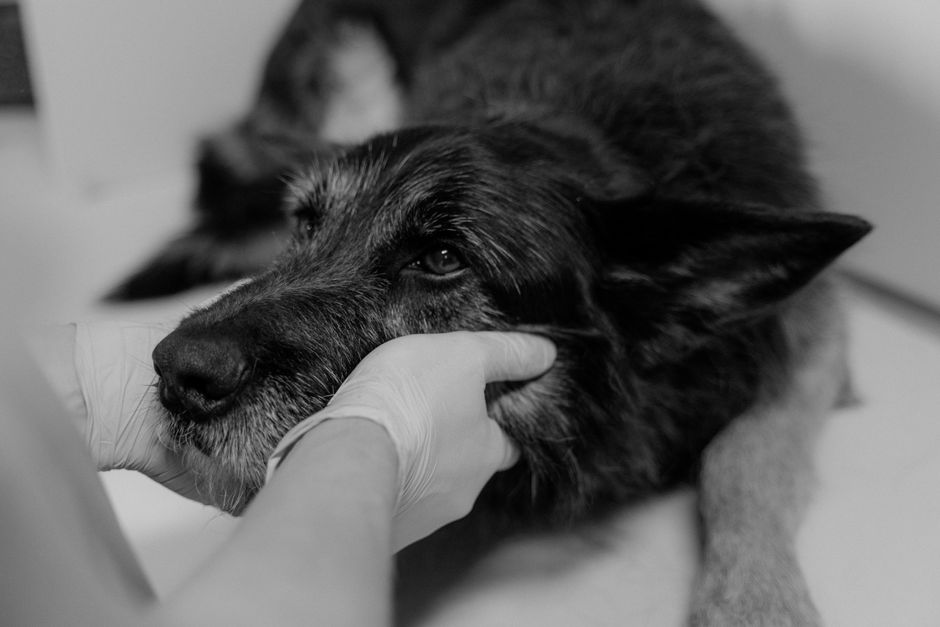
My firm recommendation is to treat first aid as a bridge to professional care, not as a substitute for it. Go to an emergency clinic for trouble breathing, collapse, seizures lasting more than a few minutes, uncontrolled bleeding, suspected poisoning, heatstroke, a swollen abdomen, a deep bite, an eye that looks cloudy or displaced, or any injury that exposes bone, tendon, or muscle.
Use the kit during the call
Call before driving when possible. Describe what happened, when it happened, the pet’s weight, and the signs you can see. Follow the clinic’s instructions about rinsing, wrapping, inducing vomiting, or giving medication. Take the package of any suspected toxin and a photo of the injury if that helps the team prepare.
Keep the kit ready for the next event
After using a supply, replace it immediately rather than waiting for the next household shopping trip. Check the kit every six months. Confirm that saline remains sealed, the thermometer works, the flashlight has fresh batteries, and the wrap has not hardened.
For a typical family with pets, start with sterile gauze, 3-by-4-inch non-stick pads, 2-inch cohesive wrap, saline, styptic powder, nitrile gloves, blunt scissors, tweezers, a thermometer, and a clean towel. Add the Adventure Medical Kits Trail Dog kit for an active dog, or add Vetericyn Plus Hydrogel for minor surface wounds at home, then keep the emergency veterinarian’s number on top of the pouch.