
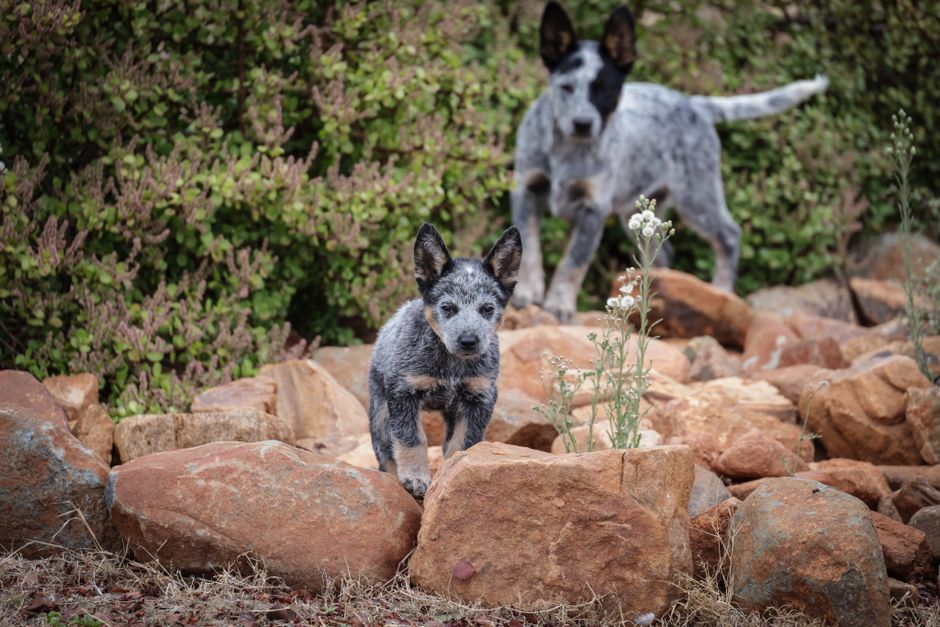
Can a high-energy dog live happily in a small apartment? Yes, but only if you stop measuring success by floor space. I have found that a tired dog does not always need a huge yard. They need a predictable outlet for movement, sniffing, chewing, learning, and rest. My apartment dog became easier to live with when I replaced random bursts of play with a simple daily system.
Why apartment size matters less than daily structure
My honest verdict is simple: a small apartment is workable, but an unstructured day is not. Dogs react to unused energy, unclear rules, and long stretches of boredom. A large home can hide that problem for a while, but extra rooms do not replace walks, training, or contact with the outside world.
Energy is more than running
High-energy dogs need several kinds of work. A brisk walk raises the heart rate. Sniffing makes the dog process information. Short obedience sessions ask for focus. Chewing can help some dogs settle after activity. If you provide only physical exercise, you may create a fitter dog who still paces around the kitchen at 10 p.m.
Use a repeatable weekday rhythm
My preferred weekday pattern is a 25-minute sniff walk before work, five minutes of training at lunch, and a 35-to-45-minute walk in the evening. I add one calm indoor activity, such as scent games or a food search. The exact times can move, but the order matters. Activity comes before the longest rest period, and calm behavior gets rewarded before the next burst of excitement.
Protect sleep as part of the plan
Many owners keep adding exercise when the real problem is an overtired dog. Puppies and adolescent dogs can need 16 to 20 hours of sleep in a day. Adult dogs often need around 12 to 14 hours. A quiet bed away from the front door, a regular lights-out period, and fewer frantic games indoors gave my dog a much better off-switch.
Build an apartment routine that survives busy days

The winning routine is the one you can repeat on a rainy Tuesday. I use this five-part plan instead of promising myself a heroic two-hour outing that rarely happens.
- Start with a sniff-heavy walk. Let the dog investigate safe smells instead of dragging them through a fast march. Twenty focused minutes can be more useful than a rushed mile.
- Feed part of breakfast through work. Ask for a sit, touch, or wait before each small portion. This turns an ordinary meal into several short lessons.
- Schedule a quiet midday reset. Close the curtains if hallway activity causes barking, lower background noise, and give the dog a clear resting place. Do not treat every alert as a reason to investigate the window.
- Use movement with rules. A hallway recall game, controlled tug, or several retrieves can help, but stop while the dog can still respond to their name. Wild indoor chasing teaches the wrong lesson in a small home.
- End with decompression. After the evening walk, offer water, a toilet break, and a calm chew or settle exercise. Keep the last 30 minutes boring on purpose.
My clear recommendation is to write the routine on paper and attach it to existing events: breakfast, lunch, the end of work, and bedtime. If a friend or dog walker helps, they can follow the same sequence. Consistency beats novelty.
Which indoor tools actually help a high-energy dog?
I do buy enrichment tools, but I refuse to treat them as substitutes for outdoor time or training. The right tool slows a meal, gives the dog a safe job, or helps you monitor a problem. The wrong tool creates noise, frustration, or another object your dog destroys in ten minutes.
Is the KONG Classic worth buying?
Yes. The KONG Classic Medium, usually about $14.99, is my first pick for most apartment dogs because it is made from durable natural rubber and can be stuffed with part of the dog’s normal meal. Freeze the filling for two to three hours if your dog finishes it too quickly. Pick the size from the manufacturer’s chart; a toy that is too small creates a swallowing risk. For a dog that destroys soft toys, this is a better first purchase than a plush squeaker.
When is a puzzle feeder the better choice?
For dogs that need mental work, the Nina Ottosson by Outward Hound Dog Brick costs about $14.99 and uses sliding compartments and removable bones. It is a Level 2 puzzle, so it suits dogs that already understand simple food searches. Start with the covers loose, then increase difficulty. Never leave a dog alone with the plastic bones if they chew instead of solving.
Should I buy a camera?
The Furbo 360 Dog Camera is often listed around $169.99 and offers rotating room coverage, two-way audio, and treat tossing. I would buy it only if you need to check separation-related behavior while you are away. I would not buy it to speak constantly through the speaker. Hearing your voice without finding you can make some anxious dogs more unsettled. For simple check-ins, a basic camera with motion alerts is the smarter spend.
Harness, leash, and apartment gear: a practical comparison
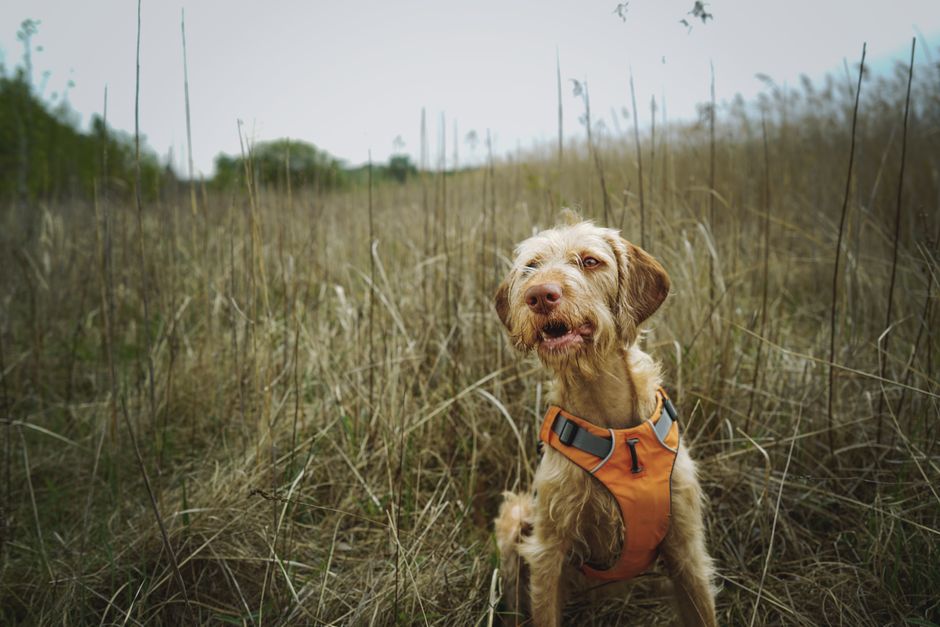
The best equipment reduces pulling, slipping, and hallway chaos. It does not fix fear or replace loose-leash practice. These are the options I would shortlist after living with a strong dog in a building.
| Product | Typical price | Useful specification | My verdict |
|---|---|---|---|
| Ruffwear Front Range Harness | $49.95 | Two leash points, padded chest and belly panels | Best everyday choice for comfort and control |
| Blue-9 Balance Harness | $34.95 | Six adjustment points for a closer fit | Best for narrow or hard-to-fit dogs |
| Kurgo Quantum 6-in-1 Leash | $39.95 | Multiple configurations, including hands-free use | Best for owners who switch walking setups |
| PetSafe Easy Walk Harness | $24.95 | Front-chest attachment designed to reduce pulling | Useful training aid, but fit must be checked often |
My winner is the Ruffwear Front Range Harness for a typical family apartment dog. The padded panels are comfortable for daily use, and the front and back attachment points give you options while you teach loose-leash walking. Choose the Blue-9 Balance Harness instead if standard harnesses rub or leave gaps around the neck. Skip retractable leashes in shared hallways; the long line creates poor control near elevators, children, and other dogs.
When exercise is not enough: mistakes and warning signs
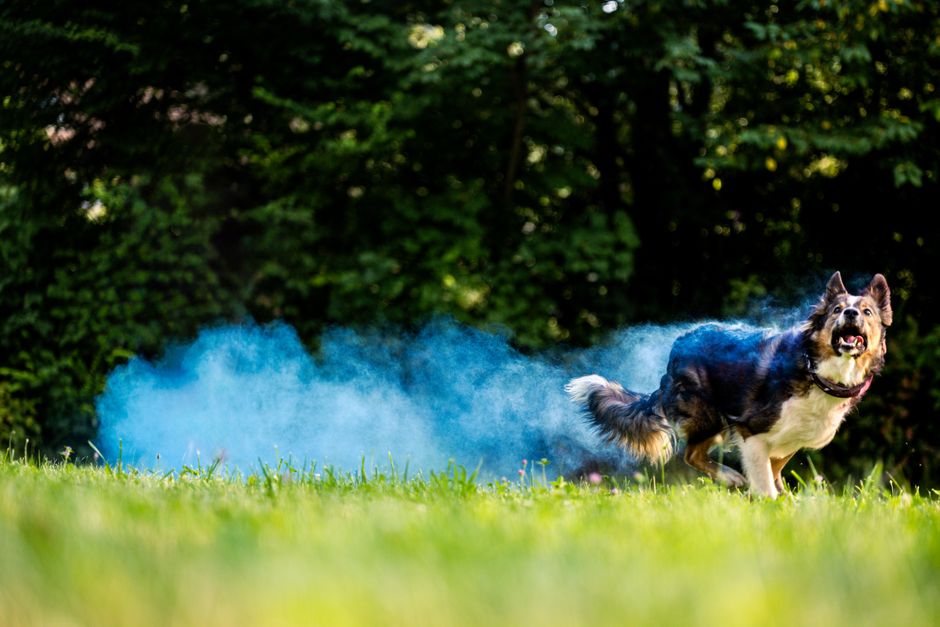
Do not buy another toy when your dog may need a behavior plan. A high-energy dog that paces, barks at every hallway sound, destroys doors, or panics when left alone may have anxiety, not just extra energy. More running can make the body tired while leaving the fear untouched.
Common mistakes I would avoid
- Adding intense fetch for an hour every evening, then wondering why the dog demands more the next day.
- Using dog parks as the only exercise. Uncontrolled play can increase arousal and teach rough greetings.
- Leaving food puzzles out all day until they lose their value.
- Skipping leash training because the building elevator is only a few seconds away.
- Crating a distressed dog for longer periods without gradual separation work.
Call a veterinarian if the behavior changes suddenly, especially with restlessness, excessive thirst, pain, or sleep disruption. For persistent separation distress or aggression, choose a qualified positive-reinforcement trainer or veterinary behavior professional. I would rather spend money on one good assessment than keep replacing scratched doors and ruined beds.
For a final buying summary, this is the setup I would choose:
| Situation | Best choice | Why |
|---|---|---|
| Dog needs a daily food project | KONG Classic Medium | Low cost, durable, and easy to freeze |
| Dog needs a harder puzzle | Nina Ottosson Dog Brick | More problem-solving than a simple feeder |
| Dog pulls in shared spaces | Ruffwear Front Range Harness | Comfortable fit with two leash points |
| Dog panics when alone | Behavior assessment first | A camera alone will not treat anxiety |