

For the modern Canadian family, a stroller is significantly more than a piece of baby gear; it is the primary vehicle for navigating the first thousand days of a child’s life. Unlike the purchasing process for a standard piece of furniture, selecting a stroller in Canada requires a high-level understanding of mechanical engineering, local safety legislation, and the fiscal realities of long-term asset management. The Canadian market is distinct because it demands a product capable of transitioning seamlessly from a climate-controlled shopping mall to a salt-encrusted, slush-filled sidewalk in mid-January. According to Health Canada data, strollers and carriages are subject to the Strollers and Carriages Regulations (SOR/2016-167), a rigorous set of safety requirements that often prevents popular international models from entering the Canadian market without specific modifications. These regulations dictate everything from the mechanical strength of the latching systems to the stability of the frame under significant weight loads. Selecting a stroller is an exercise in engineering assessment, evaluating how a chassis handles the unique challenges of road salt corrosion, sub-zero temperature impacts on plastic components, and the necessity of navigating through compacted snow.
Canadian Regulatory Standards and Environmental Performance Variables
Before evaluating specific models, it is necessary to understand the technical constraints imposed by the Canadian climate and legal landscape. Health Canada requires that all strollers sold domestically meet strict braking performance and structural integrity tests. Specifically, the braking system must be capable of holding the stroller on a 10-degree incline even when loaded to its maximum capacity. This is particularly relevant for parents living in hilly urban environments like Quebec City or the North Shore of Vancouver. Furthermore, the materials used must be free of specific phthalates and lead, ensuring chemical safety alongside mechanical reliability. When shopping at major Canadian retailers, consumers can verify compliance by looking for the manufacturer’s statement of certification to SOR/2016-167. This certification ensures that the locking mechanisms will not spontaneously disengage and that the harness systems are robust enough to prevent accidental falls during sudden stops.
The Physics of Winter Mobility
The primary point of failure for strollers in Canada is the wheel assembly. Most entry-level strollers utilize small, hard plastic (EVA) wheels. In temperatures below -10°C, these plastics can become brittle and lose traction on icy surfaces. For reliable year-round use, parents should prioritize strollers with large-diameter wheels and rubber tires. These may be either air-filled (pneumatic) or foam-filled. While pneumatic tires offer superior shock absorption—crucial for protecting a newborn’s developing neck muscles—they are susceptible to punctures. Foam-filled tires provide a maintenance-free middle ground, offering the grip of rubber without the risk of a flat tire during a commute. Suspension systems also play a critical role; a four-wheel independent suspension is required to prevent the vibration from frozen, uneven sidewalks from transferring directly to the infant’s spine. In the Canadian context, the “push-feel” is not just about comfort; it is about the energy expenditure required by the parent to propel the unit through three inches of fresh powder.
Corrosion Resistance and Textile Durability
Road salt is an aggressive corrosive agent that targets aluminum and steel frames. High-end strollers often utilize anodized aluminum, which provides a protective oxide layer against salt-induced pitting. Maintenance is a factor here; a stroller that requires frequent deep cleaning may not be practical for a busy household. Similarly, the textiles must be evaluated for their denier count and weather resistance. A high-denier polyester or nylon with a built-in UPF 50+ rating and water-repellent coating is standard for the Canadian market. Many premium brands now offer specialized “winter kits” or footmuffs designed to withstand temperatures as low as -20°C, which are essential for families who do not rely solely on vehicle transport. When evaluating fabrics, parents should look for Oeko-Tex Standard 100 certification, which ensures the textiles are free from harmful substances, a critical consideration when a child may be chewing on the bumper bar or straps.
Comparative Analysis of High-Performance Strollers in the Canadian Market
The following models have been selected based on their historical performance data, consumer safety reports, and suitability for the Canadian terrain. These products are widely available through major retail partners and often qualify for various financing programs through financial service providers, making the high initial investment more manageable for growing families.
| Model | Approx. Price (CAD) | Weight | Wheel Type | Primary Advantage |
|---|---|---|---|---|
| Uppababy Vista V2 | $1,349 – $1,450 | 27 lbs | Foam-filled Rubber | Modular Expansion |
| Bugaboo Fox 5 | $1,550 – $1,700 | 22.9 lbs | Large All-terrain | Superior Suspension |
| Thule Urban Glide 2 | $800 – $950 | 25.3 lbs | Pneumatic (Air) | Snow/Off-road Capability |
| Baby Jogger City Mini GT2 | $580 – $650 | 21.4 lbs | Forever-air Rubber | One-hand Fold |
| Silver Cross Reef | $1,200 – $1,350 | 27.5 lbs | Enhanced All-wheel | Luxury Compact Fold |
Uppababy Vista V2: The Modular Standard
The Uppababy Vista V2 remains a dominant force in the Canadian market due to its versatility. It is designed to grow with a family, capable of transporting up to three children with the addition of a second seat (RumbleSeat) and a standing board (PiggyBack). The frame is constructed from a combination of aluminum and magnesium, providing a high strength-to-weight ratio. One significant benefit for Canadian users is the oversized storage basket, which has a 30 lb weight capacity—ideal for carrying heavy winter groceries or bulky snow gear. The Vista V2 includes a bassinet that is overnight-sleep approved, providing a safe sleep environment during family travels.
- Pros: Exceptional resale value; intuitive color-coded attachment points; massive storage capacity; includes both bassinet and toddler seat.
- Cons: Heavy and bulky when folded; wide rear axle can be difficult in narrow shops; premium price point.
- Specs: Folded dimensions: 17.3” L x 25.7” W x 33.3” H; Weight: 27 lbs (frame + seat).
Bugaboo Fox 5: Engineering for Comfort
Bugaboo, a Dutch manufacturer, focuses heavily on the “push feel” or the coefficient of friction required to move the stroller. The Fox 5 features a central joint suspension combined with four-wheel suspension, which effectively neutralizes the impact of cracked pavement and cobblestones. For parents in urban centers like Toronto or Vancouver, the Fox 5 offers a light footprint without sacrificing the durability needed for park trails. The seat is ergonomically designed to support the child’s developing posture, and the fabrics are largely made from recycled materials, appealing to the environmentally conscious consumer.
- Pros: One-handed adjustment for handlebar and seat recline; self-standing fold; sustainable material choices; best-in-class maneuverability.
- Cons: High initial cost; bassinet setup requires sharing a frame with the toddler seat; smaller basket compared to the Vista.
- Specs: Weight: 22.9 lbs; Folded dimensions: 35″ L x 20.9″ W x 13.4″ H.
Thule Urban Glide 2: The Winter Specialist
For families who face significant snow accumulation, the Thule Urban Glide 2 is often the most practical choice. As a dedicated jogging stroller, it features large 16-inch rear wheels that act as levers against deep slush. The front wheel can be locked into place for increased stability on uneven terrain or unlocked for maneuverability in cleared areas. A standout feature is the integrated twist hand brake, which provides essential speed control when descending icy hills. While it lacks the modularity of the Vista (it cannot become a double stroller), its performance on non-paved surfaces is unmatched. It is priced more moderately at around $850 CAD, though its long wheelbase requires a large trunk for transport.
- Pros: Superior performance in deep snow; lightweight for its size; excellent hand-braking system; very smooth ride for the child.
- Cons: Large footprint when folded; seat does not go fully upright; accessories (like the bumper bar) are usually sold separately.
- Specs: Weight: 25.3 lbs; Rear wheel size: 16 inches.
Baby Jogger City Mini GT2: The Practical Urbanite
The City Mini GT2 occupies the mid-range segment but performs like a premium all-terrain model. Its “forever-air” tires are made of a specialized rubber compound that mimics the feel of pneumatic tires without the maintenance requirements. The signature one-hand pull fold is the most efficient in the category, making it the preferred choice for parents who frequently use public transit or have limited storage space. At approximately $600 CAD, it represents a high-value proposition, although the basket is significantly smaller and less accessible than those of the Uppababy or Thule models.
- Pros: Fastest fold on the market; adjustable handlebar for different parent heights; compatible with many car seat brands via adapters.
- Cons: Not suitable for jogging despite the brand name; limited storage space; three-wheel design is slightly less stable on steep curbs.
- Specs: Weight: 21.4 lbs; Weight capacity: 65 lbs.
The Financial Logistics of Parenting in Canada
Purchasing a high-quality stroller should be viewed as a capital investment rather than a simple retail transaction. Given that a premium stroller can cost as much as a used vehicle, many parents utilize financing options to distribute the cost. Major retailers like Walmart Canada and Best Buy Canada (accessible through various retail affiliate networks) offer installment plans or store-branded credit cards that allow for 0% interest over 6 to 12 months. This approach preserves cash flow while ensuring the family has access to a safe, reliable piece of equipment. From a financial perspective, the total cost of ownership is often lower for a $1,300 stroller than a $300 one, provided the resale value is considered.
Evidence from secondary market platforms like Kijiji and Facebook Marketplace suggests that Uppababy and Bugaboo models retain 60-70% of their original retail value after three years of use, provided they have been well-maintained. In contrast, budget brands often have a resale value of less than 20%, often ending up in landfills due to non-replaceable parts.
Strategic Procurement: When to Buy
Timing a stroller purchase can lead to significant savings. In Canada, major sales cycles typically occur during “Baby Events” in the spring and autumn. Furthermore, retailers often clear out the previous year’s “colorways” or fabric designs to make room for new seasonal palettes. While the mechanical frame rarely changes year-over-year, choosing a discontinued fabric color can result in a 15-20% discount on a premium model. Utilizing cash-back credit cards or retail loyalty programs (like PC Optimum or Triangle Rewards) can further subsidize the initial cost.
Avoiding Common Procurement Mistakes for Canadian Parents
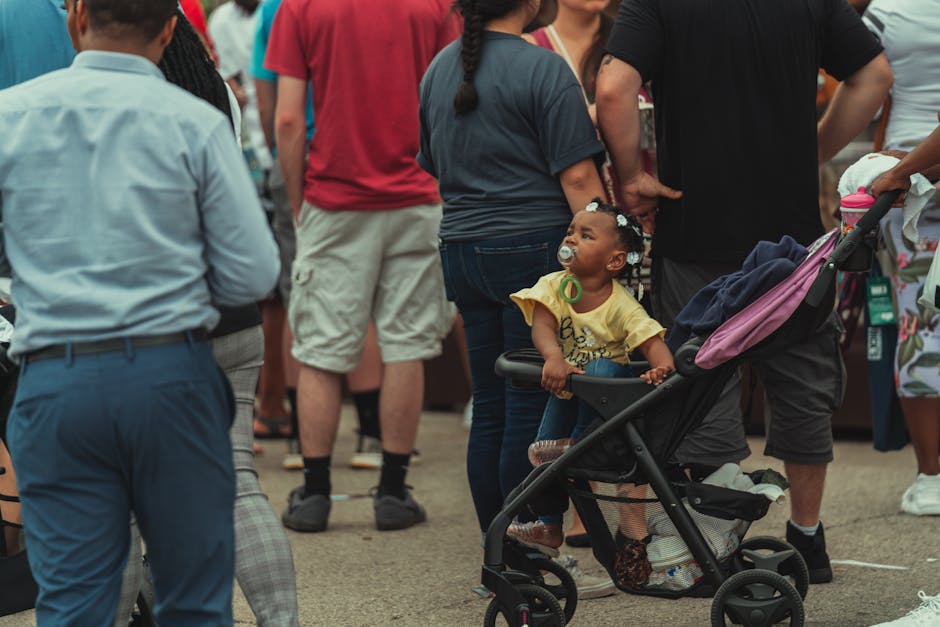
One of the most frequent errors parents make is buying for their current lifestyle rather than their future needs. A compact “umbrella” stroller may seem ideal for a newborn in a downtown condo, but it will likely become useless once the child reaches 25 lbs and the family moves to a suburb with unpaved trails.
- Ignoring Car Seat Compatibility: Not all strollers work with all car seats. Choosing a “Travel System” ensures that you can move a sleeping infant from the car to the stroller without waking them. Verify that the necessary adapters are available in the Canadian market, as some US-spec adapters do not meet local safety standards.
- Underestimating the Fold: Always test the folding mechanism with one hand. In a Canadian winter, you will often be holding a baby in one arm while trying to collapse the stroller to put it in a trunk before the freezing wind becomes unbearable.
- Neglecting the Basket: In Canada, you are rarely just carrying a baby. You are carrying a diaper bag, a heavy winter coat, a bag of groceries, and potentially a snow shovel. Ensure the basket is accessible even when the seat is fully reclined.
Maintenance Protocols for Longevity

To preserve both the safety and the resale value of a stroller, a specific maintenance schedule is recommended. In Canada, the most critical task is the removal of salt and grit from the wheel bearings and folding joints. A monthly rinse with warm water followed by the application of a dry silicone-based lubricant will prevent the frame from seizing. Unlike oil-based lubricants (like WD-40), silicone does not attract dust and hair, which can gum up the mechanism over time. Furthermore, the textiles should be laundered according to the manufacturer’s instructions at the end of each season to prevent permanent staining from food or environmental pollutants. Check the tire pressure on pneumatic models every two weeks during the winter, as cold air causes the pressure to drop, making the stroller significantly harder to push.
Final Selection Criteria
The determination of the “best” stroller depends entirely on the primary use case. For a family planning on multiple children in quick succession, the Uppababy Vista V2 offers the best long-term utility and modularity. For those prioritizing physical activity and all-weather capability, the Thule Urban Glide 2 is the superior mechanical choice for the Canadian climate. Urban dwellers with limited space who still require all-terrain performance will find the Baby Jogger City Mini GT2 to be the most efficient balance of performance and price. By focusing on the technical specifications and the regulatory compliance of these models, Canadian parents can make an informed decision that ensures both the safety of their child and the long-term integrity of their household budget.