
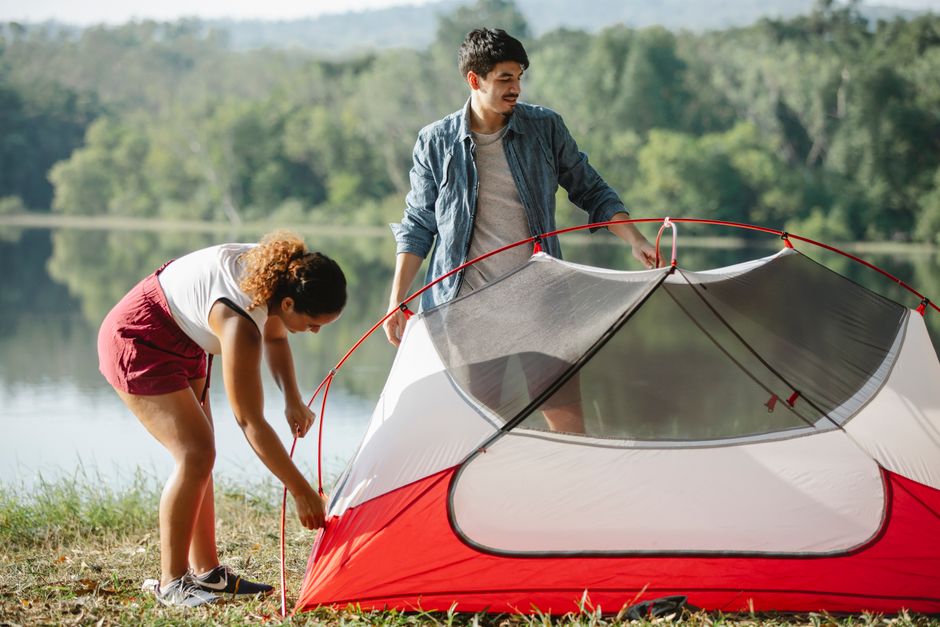
Family camping in the UK works best when you remove the avoidable problems before leaving home. Pick an easy campsite, pack for rain, and treat the dog as part of the plan rather than an afterthought.
1. Choose a campsite before you buy anything
The right campsite matters more than an expensive tent. For a first trip, choose a managed site with toilets, showers, clear arrival times, level pitches and somewhere safe for children to walk. A remote field may look romantic online, but it gives beginners more jobs, fewer backups and a longer drive to the nearest shop.
Match the site to the family
| Campsite type | Best for | Main drawback | First-trip verdict |
|---|---|---|---|
| Serviced family campsite | Young children, first-timers and families bringing a dog | More neighbours and less privacy | Best choice for your first weekend |
| Small farm site | Quiet stays, open space and simple routines | Fewer showers, shops and rainy-day facilities | Good after one easy trip |
| Festival-style basic field | Short stays and low-cost pitches | Noise, limited facilities and crowded weekends | Skip it with toddlers or nervous dogs |
| Remote wild camp | Experienced walkers carrying lightweight kit | No guaranteed toilet, water or emergency support | Not a sensible family beginner trip |
Check the rules, not just the photographs
Before paying, confirm the pitch surface, vehicle access, quiet hours, fire rules, dog restrictions, shower charges and cancellation policy. Ask how far the toilet block is from the pitch. A beautiful campsite becomes a bad choice when a tired child needs a midnight toilet walk through mud.
Book the least ambitious weekend
Choose two nights within roughly two hours of home. Arrive before dark, stay close to a village or beach, and keep the itinerary loose. The win is not covering ten attractions. The win is learning how your family sleeps, eats and moves outdoors.
2. Start with a serviced campsite and a two-night stay
The clear verdict
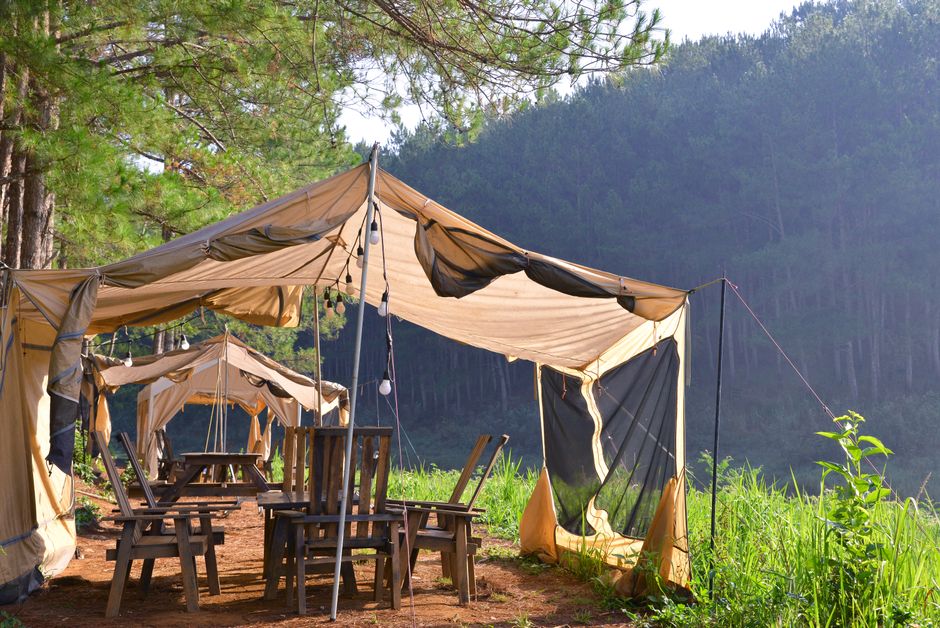
A serviced campsite is the best first choice because toilets, drinking water, waste points and a shop or village nearby solve the problems that make beginners quit; you are buying access to simple backup, not giving up the outdoor experience, and two nights gives children enough time to settle without turning one poor night into a full holiday disaster.
Why the shorter trip wins
One night is often too short to recover from a late arrival, while five nights create pressure to cook, entertain and sleep well in every kind of weather; two nights lets you pitch on day one, test the sleeping setup, explore locally on day two and pack before fatigue turns small mistakes into arguments, so this is the format I would book for a first family camping trip in 2026.
3. Buy only the kit that solves real problems
Camping gear exists to control four things: shelter, body temperature, sleep and food. Buy in that order. A family does not need a roof full of gadgets; it needs a tent that fits the people, insulation under sleeping bags, dry layers and a way to make hot food when the forecast turns ugly.
Choose space over the number printed on the tent
A four-person label means four narrow sleeping spaces, not four people plus bags, wet coats and a dog. The Quechua MH100 4-person tent costs £69.99 on the current Decathlon UK listing, weighs 4.65kg, has a 260 x 210cm bedroom and a 6 square metre floor area. Its flysheet is rated above 2,000mm, and the maker lists wind resistance around 35km/h. It is a sensible budget pick for two adults and two children on occasional summer trips, but the 137cm maximum height means you will not stand inside.
Pay for a living area only when you will use it
The Quechua Air Seconds 4.1 Fresh & Black is the better comfort choice for families who expect wet mornings. It is listed at £349.99, with a 280 x 210cm bedroom and a 6.5 square metre living area. The darker, cooler fabric is useful during bright summer evenings, but the pump is not included. For a tall family or a dog that needs indoor drying space, the extra room earns its cost; for one dry weekend, it is unnecessary bulk.
Fix sleep before adding luxuries
Adults often spend too much on chairs and cooking gadgets while sleeping on a thin floor. The Quechua Air Basic two-person mattress measures 190 x 140 x 16cm and is listed at £14.99. It is a cheap starting point, but give each person a separate sleeping bag and add insulation underneath. The Vango Nitestar 250 sleeping bag is listed at a £37.50 retail price by GO Outdoors, though stock changes. Add a small light such as the Quechua BL100 100-lumen camping lamp, listed at £9.99, and stop there until the family has completed a trip.
4. Build a weather plan before you leave
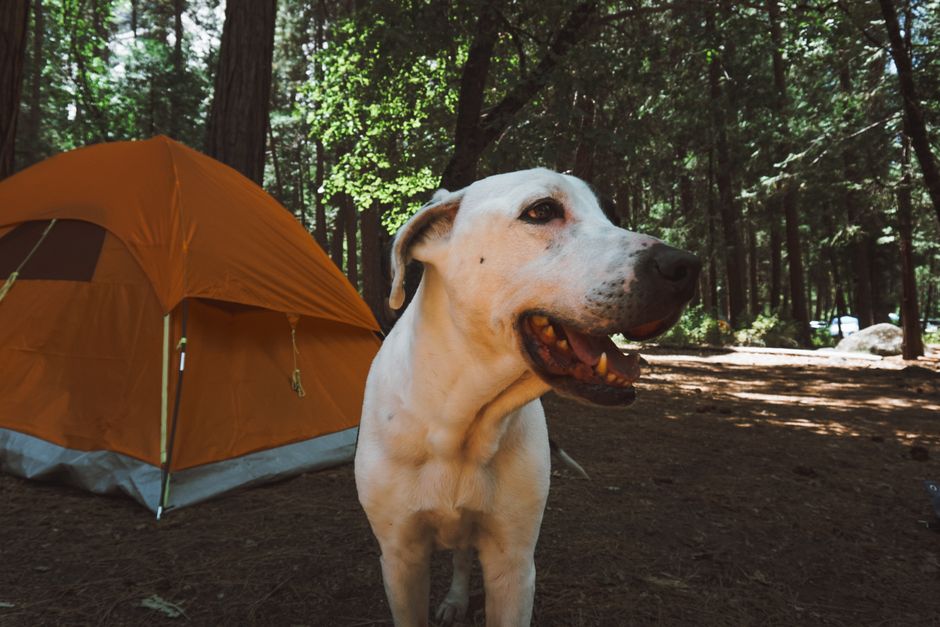
British summer camping fails when families pack for the photograph on the campsite website instead of the forecast on departure morning. Rain does not ruin a trip. Cold, wet children with nowhere to dry off do.
Use this three-part weather check
- Check the forecast seven days out to choose clothing and activities, then check it again the evening before leaving.
- Check wind speed and direction, not only the rain icon. Pitch the tent with its narrow end facing the strongest wind and use every guyline.
- Check for heat as well as cold. Open vents, provide shade, carry more drinking water and never leave a child or dog inside a closed tent or vehicle.
- Put each person’s waterproof jacket, warm layer and spare socks in an accessible bag. Do not bury them under bedding.
- Plan one indoor or sheltered backup: a swimming pool, museum, café, farm attraction or short drive to a town.
Stop condensation before it becomes a wet sleeping bag
Keep vents open even when it rains, avoid drying soaked clothes beside sleeping bags, and wipe heavy moisture from the inner tent in the morning. Condensation comes from breath, damp ground and wet clothing. It is not proof that the tent has leaked.
Know when to cancel
Cancel or change the booking for severe wind, flooding, lightning or unsafe travel. A child who is disappointed at home is easier to manage than a family stranded on a flooded pitch. The best summer plan includes permission to stop.
6. Avoid the mistakes that wreck first camping weekends
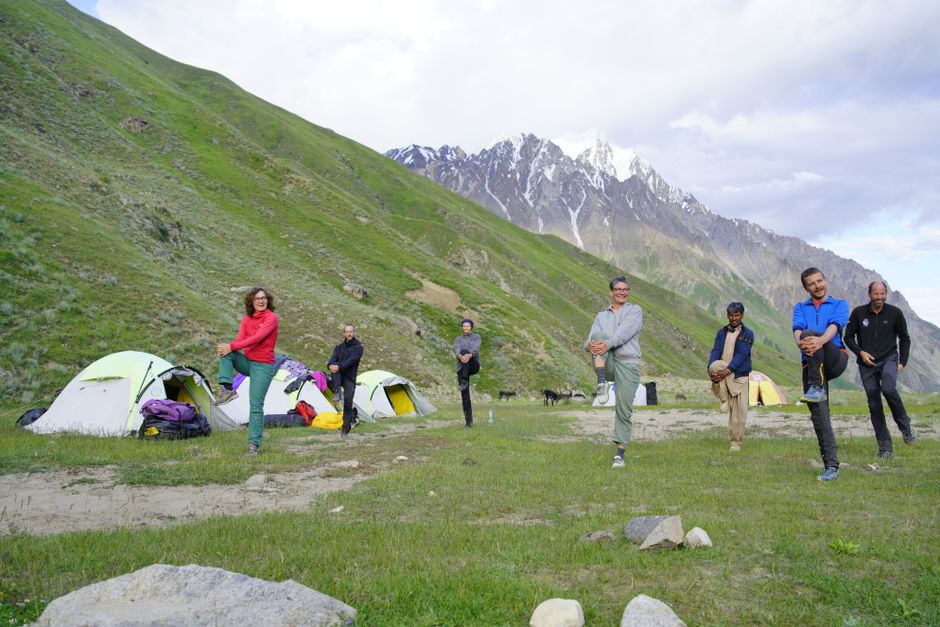
The biggest beginner mistake is treating camping as a cheaper hotel. It is a different routine. You carry your bed, manage wet gear, cook with limited space and solve small problems without room service.
Use this failure-proof checklist
- Do not arrive after dark. Pitching by torchlight turns a simple setup into a fight. Book a daytime arrival slot and allow 90 minutes.
- Do not test new gear on the main trip. Pitch the tent in the garden, inflate the mattress, try the stove and check every zip before leaving.
- Do not pack one outfit per day. Pack layers, waterproofs and spare socks. Summer rain ignores your packing list.
- Do not put bedding directly on the tent floor. Use a groundsheet where permitted and insulation beneath sleeping mats to reduce cold and damp.
- Do not plan restaurant-level meals. A hungry family needs food quickly. Keep the first evening simple and bring one meal that needs no cooking.
- Do not ignore quiet hours. Children can be excited, but nearby campers still deserve sleep. Set a lights-out routine before the trip.
- Do not leave rubbish or food exposed. It attracts insects, birds and curious dogs, then creates a cleaning job nobody wants.
The one practice that pays off
Pitch the complete setup at home once. Put the tent, beds, bags, lights and cooking box in place. You will discover missing parts, confusing poles and impossible storage arrangements before a thunderstorm does.
7. Keep food boring and the daily plan loose
What should you cook first?
Cook the easiest meal on arrival: filled rolls, fruit, crisps and a hot drink if people want one. On the second day, use one-pan food such as pasta, rice with beans, sausages or vegetable noodles. Pre-chop ingredients at home, label each meal and pack snacks where children can reach them. The best family camping food is familiar, fast and easy to clean, not ambitious.
How much should you plan?
Plan one main activity each day and leave the rest open. A morning walk, beach visit or farm attraction is enough. Children will spend time collecting sticks, playing cards, watching insects and exploring the pitch. If every hour has a booking, rain or tiredness will break the schedule.
What does a calm weekend look like?
Arrive at 15:00, pitch before unpacking, eat by 18:00 and keep the first evening quiet. Start day two with breakfast, a short walk and one planned attraction. Return early enough to dry clothes and prepare dinner. Pack on the final morning after breakfast, then check the pitch for pegs, food scraps and dog waste.
Family camping in the UK becomes enjoyable when you choose an easy campsite, practise the setup and plan for wet weather before the car leaves home.