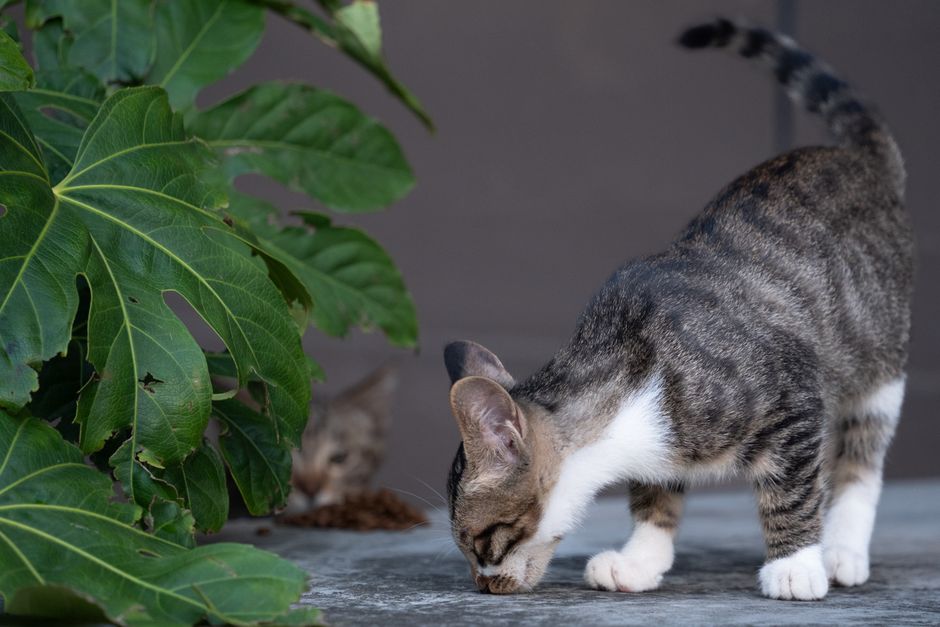
One cat finishes dinner in three minutes. The other waits until the room is quiet, only to find an empty bowl. In a multi-cat home, an automatic feeder must solve more than missed breakfast. It must control access, deliver measured portions, and keep working when the Wi-Fi drops or a child forgets to refill it. These five myths show where basic feeders fail and which features actually protect every cat’s meal.
Why one shared feeder fails in a multi-cat home
The first myth is that a larger food hopper creates a fairer feeding routine. It does not. A hopper controls when food falls out, but it cannot control which cat eats it. If one cat guards the bowl, eats quickly, or returns several times, the quieter cat loses access even when the feeder follows its schedule perfectly.
The real problem is access, not timing
Automatic feeding solves a timing problem: food arrives at 7 a.m. instead of waiting for a person to wake up. Multi-cat feeding adds an identity problem. You need to know which animal can reach the food, how much each cat receives, and whether the other cats can push in behind it. A timer-only machine treats every cat as one animal with one diet. That works only when every cat eats the same food, needs the same amount, and leaves the bowl alone.
What fair feeding looks like
A fair setup gives each cat a separate eating position and enough distance to prevent one cat from blocking two bowls. Start with one station per cat, then place the stations in different parts of the room if there is tension. Measure meals in grams rather than guessing with the feeder’s cup markings. Keep a simple seven-day record of food offered, leftovers, and each cat’s body condition. The record exposes a common failure: the feeder dispenses correctly, but the wrong cat consumes the meal.
Verdict: A shared programmable feeder is suitable only for cats with matching diets and relaxed eating habits. Food stealing requires selective access, not a bigger container.
Five checks before buying an automatic cat feeder
The second myth is that app control is the main feature. For a family home, the useful features are less exciting: a stable portion mechanism, an easy cleaning routine, and a backup plan for power loss. Use this five-point check before paying for a feeder.
- Check food type. Most hopper feeders handle dry or semi-moist kibble, not open cans of wet food. Confirm the permitted kibble size and test your exact food before relying on the machine.
- Check portion accuracy. A meal setting is not automatically a gram measurement. Weigh ten dispensed portions on a kitchen scale. If the results vary widely, reduce the number of meals or use a measured serving cup.
- Check access control. Look for microchip or RFID recognition when cats have different diets, medication, or calorie targets. A lid, narrow opening, or heavy base may stop pawing, but it does not identify the correct cat.
- Check power protection. Choose a unit with a battery backup or a schedule that remains stored offline. Test it by unplugging the feeder for 30 minutes and confirming that the next meal still dispenses.
- Check cleaning time. The bowl should come out without tools. Wash food-contact parts at least weekly, and clean the chute sooner if oily kibble leaves a sticky coating that can cause jams.
Also measure the space before ordering. A tall hopper beside a refrigerator can block a cabinet door, while a feeder with a wide bowl may not fit under a shelf. Leave room to remove the lid and lift out the food container. The best choice passes all five checks with your actual kitchen, kibble, and cats.
Which feeder type stops food stealing?
The third myth is that every automatic feeder offers the same protection. The table below separates basic scheduling from selective feeding. Prices are manufacturer-listed figures available in 2026 and may vary by country.
| Feeder | Listed price | Useful specifications | Best use |
|---|---|---|---|
| PETLIBRO One RFID Smart Feeder PLAF301 | $149.99 | 3 liters, about 13 cups; up to 10 meals daily; 2.4GHz and 5GHz Wi-Fi; RFID collar tag | One cat that needs protected dry-food portions |
| SureFeed Microchip Pet Feeder Connect | £155; Hub £85 | Microchip or RFID collar access; portions measured within 1 gram; wet or dry food; app requires Hub | Cats with different diets or medical feeding plans |
| PetSafe Healthy Pet Simply Feed PFD00-14574 | $95.99 | 24-cup hopper; up to 12 meals; portions from 1/8 to 4 cups; battery powered | Several cats eating the same dry food |
| Whisker Feeder-Robot | From $299 | Up to 32 cups; up to 8 scheduled meals plus snacks; anti-jam system; optional 24-hour backup battery | Large households that value capacity and remote scheduling |
Clear winner for food stealing: the SureFeed Microchip Pet Feeder Connect has the strongest identity control because it can read a cat’s existing microchip. The PETLIBRO One RFID is the better lower-cost choice when a collar tag suits your cat. The PetSafe Healthy Pet Simply Feed is the value pick for equal diets, but its optional Meal Splitter does not stop one determined cat from eating another cat’s portion. The Whisker Feeder-Robot wins on capacity and anti-jam design, not on individual-cat access.
How do you set up feeding for two cats?
How many feeding stations do you need?
Use one station per cat when one animal steals food, eats slowly, or becomes anxious near the bowl. Put the stations where each cat can see the room but cannot easily reach the other bowl. A hallway corner or separate sides of a kitchen often works better than placing two bowls side by side. Keep water separate from food if one cat guards both resources.
How should you test portions?
Run the feeder for three days while you are home. Weigh the first portion, the middle portion, and the final portion of the day. Compare the total with the amount recommended by your veterinarian. Adjust the schedule in small steps, because a display that says one portion may not equal one gram or one meal for every kibble shape.
What should you do during a power cut?
Keep one sealed backup meal for each cat in a labeled container. Test the battery backup once a month, and write the feeding schedule on a card beside the machine so another family member can restore it quickly. If the feeder depends on an app, confirm that the schedule remains active without internet access. Never treat app notifications as proof that a cat actually ate.
Introduce the feeder before using it during a trip. Leave the old bowls nearby for several days, then move them away once both cats approach the new stations calmly. This slow change prevents a nervous cat from skipping meals because a new motor or lid sounds unfamiliar.
My pick: match the feeder to the actual conflict
For two cats that steal each other’s food, buy selective access first and smart features second. My overall pick for a dry-food household is the PETLIBRO One RFID Smart Feeder at $149.99 because its tag-controlled lid, 13-cup capacity, and 10-meal schedule solve the main problem without reaching the $299 price of the Whisker Feeder-Robot.
Choose the SureFeed Microchip Pet Feeder Connect when one cat needs prescription food, calorie control, or wet food while another cat eats something different. Its £155 feeder plus Hub cost more, but the microchip access and 1-gram portion guidance justify that cost for a medically complicated household. The PETLIBRO tag is a poor fit for a cat that hates collars or regularly loses them.
Choose the PetSafe Healthy Pet Simply Feed for cats that share one dry diet and do not fight over meals. At $95.99, its 24-cup hopper and 12-meal schedule are strong value. Do not buy it expecting protection from food theft. The Whisker Feeder-Robot is the better choice when the family wants 32 cups of capacity, offline scheduling, and anti-jam protection, but it is unnecessary for a calm pair of cats that eat the same food.
Skip all hopper feeders if your cats eat only wet food, need medication mixed into separate meals, or refuse every collar and microchip-controlled bowl; supervised feeding or a refrigerated meal system is safer.
The single most important takeaway is this: for a multi-cat home, choose the feeder that controls which cat can eat before choosing the one with the biggest hopper or smartest app.