
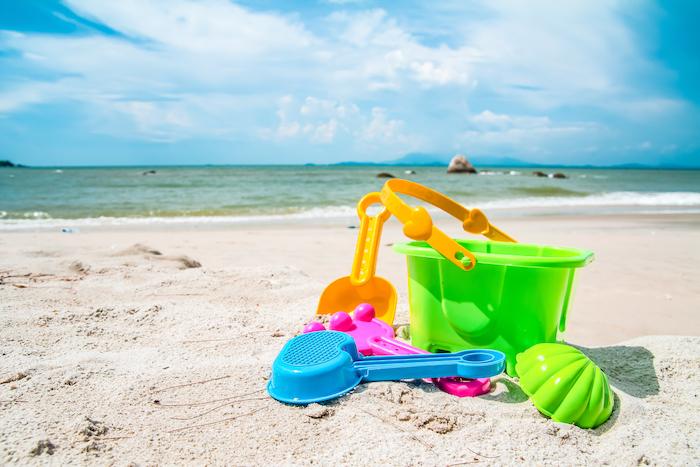
Australia has over 10,000 beaches. Most are beautiful. Some are genuinely dangerous for young children, and the difference isn’t always obvious from a holiday photo. Get the right beach and a bit of preparation sorted, and a day by the water is one of the best things you can do with your family. Get it wrong and you’re dealing with sunburn, a bluebottle sting, or a terrifying moment in a rip — all of which happen far more often than they should.
Which Australian Beaches Actually Work for Families With Young Children
Not all Australian beaches are equal. Ocean-facing surf beaches with open swell are spectacular, but they come with rip currents and dumping waves that can knock over an adult, let alone a four-year-old. The beaches that genuinely work for families with young kids share a few consistent traits: calm or sheltered water, lifeguard patrol, accessible toilets, shade infrastructure, and easy parking.
Here are some of the standout family beaches across the country, compared on the things that actually matter when children are involved:
| Beach | State | Water Type | Patrolled | Best For |
|---|---|---|---|---|
| Shelly Beach | NSW | Protected bay, very calm | Yes (seasonal) | Toddlers, snorkelling |
| Noosa Main Beach | QLD | Sheltered, gentle waves | Yes (year-round) | All ages, stroller-friendly |
| Airlie Beach Lagoon | QLD | Stinger-free swimming lagoon | Lifeguard on duty | Families avoiding jellyfish (tropical north) |
| Port Noarlunga Beach | SA | Shallow, reef-protected, calm | Yes | Rock pools, snorkelling, small kids |
| Busselton Foreshore | WA | Very calm, Geographe Bay | Yes | Toddlers through to teenagers |
| Brighton Beach | VIC | Port Phillip Bay, sheltered | Yes (summer) | Calm swimming, iconic bathing boxes |
| St Kilda Beach | VIC | Sheltered bay | Yes (summer) | Families with older kids, playground nearby |
Ocean Baths and Rock Pools Are Underrated
If your kids are under five, seriously consider ocean baths over open beaches. Places like Fairy Bower Ocean Pool in Manly, NSW, or Coogee’s McIver’s Baths (open to families with children on weekdays) offer real seawater swimming with zero rip risk. The water is tidal and natural — and you’re not tracking the horizon every 30 seconds. Rock pools at low tide are equally good: children get to explore without the exposure of open surf.
Patrolled vs. Unpatrolled Beaches — Why It Matters
Surf Life Saving Australia patrols beaches between the red and yellow flags. Outside those flags, you’re on your own. Most patrolled beaches run from around 9am to 5pm on weekends and public holidays, with limited weekday coverage depending on the beach. The free Beachsafe app from Surf Life Saving Australia shows real-time patrol status, hazard ratings, and conditions for hundreds of beaches nationally. Download it before any beach trip — it takes 90 seconds and gives you information that can genuinely change your decision on the day.
The Real Safety Risks at Australian Beaches With Kids
Australia’s beaches look inviting. The hazards are not always visible. Three things injure and kill beach visitors every year that knowledge alone can prevent.
Rip Currents: The Number One Danger
Rips account for the majority of drownings at Australian beaches — around 20 to 25 deaths per year, plus thousands of rescues. They’re channels of fast-moving water flowing away from shore, and they look deceptively calm. Sometimes a dark, flat patch between breaking waves. Sometimes just a slight discolouration. Kids wander out of the flagged area because the water looks calmer there. It’s calmer because nothing is breaking over the channel. That’s the rip.
How to spot one: look for discoloured or brownish water in a channel, foam and debris moving steadily seaward, or a gap in the wave pattern where surf isn’t breaking. If a child is caught in a rip — don’t fight it. The water moves at up to 2 metres per second and you will not swim against it. Float, raise one arm, wait for help, or swim parallel to the shore to exit the channel before heading back in. Teach older kids (seven and up) this rule before they go in. Not as you’re pulling them out.
The one rule that removes most of this risk: swim between the flags. Always, without exception.
The Australian Sun Is Not Like Any Other Sun
Australia consistently records some of the highest UV index readings on earth. On a clear summer day in Sydney or Brisbane, the index can hit 12 or above — that’s the extreme category, meaning unprotected skin can burn in under 10 minutes. Children’s skin burns faster than adult skin and the cumulative damage from childhood sunburns is directly linked to skin cancer risk later in life.
The Cancer Council Australia recommends SPF 50+ sunscreen applied 20 minutes before sun exposure, reapplied every two hours and immediately after swimming. Between 10am and 2pm, the UV index is at its daily peak. That’s not a good time to be sitting on open sand without shade over your children.
Marine Hazards: Bluebottles, Box Jellyfish and Stingrays
Bluebottles (Portuguese man o’ war) wash up on NSW and QLD beaches, especially in summer after onshore winds. The sting is extremely painful but rarely dangerous in healthy adults and older children. Treatment: rinse the affected area with seawater (not fresh water), remove tentacles with tweezers or a credit card, then apply heat — a warm shower or a heat pack reduces pain more effectively than ice. That’s the current Surf Life Saving guidance. The old ice advice is outdated.
Box jellyfish are a completely different category of threat. They’re present in tropical Queensland and Northern Territory waters from roughly October through May. Their venom can cause cardiac arrest. Never swim in unprotected tropical ocean water during stinger season with children. Use stinger suits, or swim in a stinger-netted enclosure like the Airlie Beach Lagoon. This is not optional caution — it’s a genuine safety rule for that region in those months.
Stingrays rest in shallow sandy tidal flats and are common on calm beaches. They won’t attack — but stepping on one causes a serious barb wound. Teach kids the stingray shuffle: slide feet along the sandy bottom rather than lifting and placing them, so rays feel the vibration and move clear.
What to Pack for a Beach Day With Young Children
This list is stripped down to what you’ll actually use. Nothing here is padding.
- SPF 50+ sunscreen, water-resistant — Cancer Council Kids Sunscreen (500ml pump, around AUD $16 at Chemist Warehouse or Woolworths) is the gold standard. Banana Boat Kids Sport SPF 50+ (~$12 for 200ml) is a lighter-texture alternative that goes on easier with darker skin tones. Apply in the car park, before clothes come off.
- Rashguards for every child — Speedo Kids Long Sleeve Rashvest runs around AUD $35–$45 and provides UPF 50+ protection across most of the body. Less surface area to cover with sunscreen means fewer missed patches and less reapplication panic.
- Pop-up beach shade tent — The Kmart UV Beach Shelter (~$25) is a reliable budget option that sets up in under a minute. The Oztent Barra 12 Shade Shelter (~$100) is sturdier in wind and worth it if you go to the beach more than three or four times a year. With toddlers, a proper shade shelter is not optional.
- UV400 sunglasses for kids — Baby Banz (for under-2s) cost around $30, have adjustable straps and actually stay on. Ugly Fish makes solid options for 3–10 year olds from about $20. Children’s eyes are more vulnerable to UV damage than adults’ — this is a genuinely overlooked piece of kit.
- Reusable water bottles per person — CamelBak Eddy+ Kids ($30–$35) is spill-resistant and easy for small hands. Aim for at least 500ml per child and refill frequently — dehydration in Australian heat is faster than most parents expect.
- Tweezers and a heat pack — for bluebottle first aid. Compact, barely takes up space, useful if you need it.
- Change of clothes and a full towel each — wet kids in car seats are miserable and the sand-to-car transfer is inevitable.
- High-energy snacks — bananas, crackers, something salty. Swimming burns energy fast and hungry beach kids deteriorate quickly.
One thing most people forget: something to sit on. A basic $15 tarp or a packable beach mat reduces the sand-in-everything problem significantly and gives kids a defined home base to return to.
When to Skip the Ocean and Go Somewhere Else
In tropical Queensland and the Northern Territory between October and May, stinger season makes open ocean swimming with children genuinely dangerous — box jellyfish and Irukandji jellyfish are present, and their stings can be fatal. On those trips, go to a stinger-netted lagoon or a public pool. The beach is still worth visiting from shore. The ocean water, without a full stinger suit, is not safe for young children during those months in that region.
Sunscreen in Australia: What Actually Protects Children
SPF 50+ is the minimum. Full stop. SPF 30 is not adequate for a day on an Australian beach — the UV index is too high, kids miss patches, and the protection margin is too thin once you factor in reapplication gaps. Any sunscreen below SPF 50+ is the wrong product for this country’s conditions.
Which SPF Rating Do You Actually Need?
SPF 50+ blocks about 98% of UVB radiation. SPF 30 blocks 96.7%. That 1.3-percentage-point gap sounds negligible until you’re sitting on reflective white sand for four hours with UV bouncing at you from below as well as above, while your six-year-old rubs her eyes and wipes sunscreen off her nose. In practice, SPF 50+ gives you the buffer that compensates for the inevitable imperfect application.
Water resistance rating also matters. Look for “4 hours water resistant” on the label — most everyday SPF moisturisers wash off in minutes and are not designed for beach use. Dedicated beach sunscreens are formulated differently and the label will tell you exactly what you’re getting.
The Best Kids Sunscreens Worth Using
The Cancer Council Kids Sunscreen SPF 50+ (500ml pump, ~$16) is the most consistently recommended option by Australian dermatologists. It’s fragrance-free, four-hour water resistant, and the pump bottle format is genuinely faster to apply on moving children than squeeze tubes. For anyone with a budget pick that performs: this is it.
The Banana Boat Kids Sport SPF 50+ (~$12 for 200ml) absorbs faster and leaves less white cast — useful for children with medium to darker skin tones where the Cancer Council formula can look grey. Both are available at Woolworths, Coles, and Chemist Warehouse.
For babies under 12 months, use mineral sunscreen only — zinc oxide or titanium dioxide as the active ingredient. The Invisible Zinc Toddler and Baby SPF 50+ (~$20 for 100ml) is formulated specifically for infant skin and avoids the chemical UV filters that aren’t recommended for very young babies. Apply it 20 minutes before any sun exposure, even brief time walking from the car to the beach.
Timing and Logistics That Make or Break a Beach Day With Kids
What time should we arrive at the beach?
Get there by 8:30am. The parking is easy, the sand is cool enough for bare feet, you can set up shade before the UV climbs, and you get the best two hours of the day before the crowds arrive. Arriving at 11am means fighting for a park, peak UV, full beach, and kids who are already half-tired from the car ride.
Plan your day in two blocks if you want a long one. Go early, leave before 1pm, eat lunch somewhere cool, rest — then return after 3:30pm when the UV index has dropped. That midday window is when kids overheat fastest and when sunscreen is working hardest. Pushing through it isn’t heroic parenting; it’s just harder than it needs to be.
How do you handle naps and feeding at the beach?
Bring significantly more food than you think you need. Swimming, sun, and salt air burn energy fast. Finger foods that don’t need refrigeration work best: cheese and crackers, peanut butter sandwiches, grapes in an insulated cooler bag. For babies on formula or breastfeeding, identify a shaded spot early and set up base camp there first, before anything else.
Naps at the beach are possible under a shade shelter for babies and young toddlers, but factor in wind noise, heat, and irregular ground. If naps are critical to the afternoon, many families find it cleaner to do a morning beach session, drive home for the nap, then return in the late afternoon for another swim. It feels like more effort but produces a much better day overall.
What if conditions look rough on the day?
Check the Beachsafe app the morning of your trip. If the beach shows a hazardous rating, strong offshore winds, or no patrol flags flying, change location. A rough day at the wrong beach with young children is not a manageable situation — it’s stressful, unpredictable, and genuinely risky. The app also shows you the nearest currently patrolled beach if your first choice isn’t operational.
Always have a backup in mind before you leave home. An ocean rock pool, a local aquatic centre, or a sheltered estuary means you’re never stuck deciding between pushing forward on a dangerous day or turning a two-hour drive into nothing.
The single most reliable thing you can do before any Australian beach day with children is check the Beachsafe app, choose a patrolled beach, and commit to staying between the flags — everything else is manageable from there.