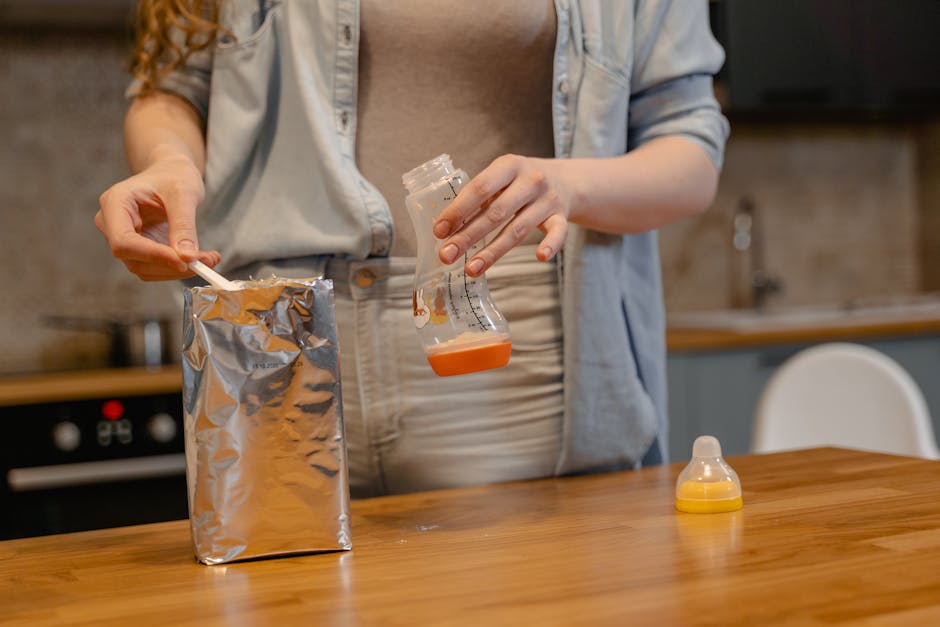
If you’re standing in the aisle at Target staring at a $48 tin of powder while your baby screams in the stroller, I’ve been there. I have spent more hours than I care to admit—probably while I should have been working or, you know, sleeping—reading ingredient labels like they were the Dead Sea Scrolls. I’ve looked at corn syrup solids, palm oil, and HMOs until my eyes bled. And honestly? Most of the advice you get online is either written by a bot or a person who has never actually had to scrub dried formula off a baseboard at 4 AM.
The formula aisle is like a high-stakes poker game where the chips are your child’s brain cells. You feel like if you pick the wrong one, you’re basically setting them up for failure before they can even crawl. But here is the reality: the FDA is incredibly strict. Even the “cheap” stuff at Walmart is nutritionally complete. But that doesn’t mean they’re all the same. Some smell like a copper mine, some foam up like a cheap beer, and some will make your baby’s poop smell like a chemical spill at a tire factory.
The 3 AM meltdown that changed my mind
I used to be one of those people who insisted on only using the ultra-premium, imported German stuff. I was paying $60 a box for Holle and waiting three weeks for shipping. Then, one Tuesday at 3 AM, we ran out. My son was screaming, my wife was crying, and the only thing open was a 24-hour CVS. I bought a tub of the generic store-brand Advantage formula. I felt like a failure. I felt like I was feeding him liquid cardboard.
He drank it. He didn’t vomit. He slept for six hours straight—the first time he’d ever done that. It turns out, he didn’t care about the biodynamic farming practices of the Swiss Alps. He just wanted to be full. Anyway, I realized then that half of what we pay for is just the feeling that we’re being “good” parents. But I digress. The point is, don’t let the price tag bully you into thinking you’re doing a better job.
What I mean is—actually, let me put it differently. It’s not that the expensive stuff is bad, it’s just that the marketing is designed to exploit your anxiety. I know people will disagree with me on this, and they’ll point to the lack of palm oil or the grass-fed milk, but at the end of the day, your kid is going to eat a Cheeto off the floor in six months. Keep things in perspective.
The “European is better” lie we all tell ourselves

Everyone talks about HiPP and Holle like they’re the holy grail. I fell for it too. I thought the European standards were just lightyears ahead of the US. While it’s true they ban certain things earlier, the gap isn’t as wide as the Instagram influencers make it seem. Plus, the logistics are a nightmare. I once had a shipment get stuck in customs for two weeks during a heatwave. Do you really want to feed your kid milk powder that’s been sitting in a 110-degree shipping container in Philly? I don’t.
I also have a genuinely unpopular opinion: I think Bobbie is overrated. There, I said it. It’s the “cool” brand that every influencer in a beige linen jumpsuit promotes. It’s fine, but the subscription model is annoying and it’s basically just rebranded European-style formula with a massive markup. I refuse to buy it anymore because I’m tired of being targeted by their ads every time I open my phone. It feels like I’m paying for their marketing budget, not the milk.
What I actually look for (and what I ignore)
I got weirdly analytical about this for a few months. I actually did a test where I mixed four different brands and timed how long it took for the foam to settle. If you’ve ever had a gassy baby, you know bubbles are the enemy. Buying formula is like trying to decode an ancient scroll written by a lawyer who hates you. Here’s what I found:
- Kendamil: This is the current winner in our house. It’s British, but you can get it at Target now. It uses whole milk, so it doesn’t have that weird thin, watery look. In my foam test, the bubbles settled in exactly 14 seconds. Similac 360 took nearly 2 minutes.
- Similac 360 Total Care: It’s the standard for a reason. It has five different HMOs (human milk oligosaccharides), which is great for the gut. But it smells like pennies. Seriously, the metallic scent is aggressive.
- Enfamil NeuroPro: I actively tell my friends to avoid this one. I know doctors love it, but the smell is stuck in my soul. It made my kid’s spit-up smell so bad I had to throw away a rug. Total nightmare.
- ByHeart: I actually like this one. They own their own factory, which is rare. Most brands just outsource to a massive co-packer like Perrigo.
I might be wrong about this, but I honestly think the whole “no palm oil” movement is a bit overblown. Yes, it can cause slightly harder stools in some babies, but the way some parents talk about it, you’d think it was literal poison. If your kid is pooping fine, don’t pay an extra $15 a tub just to avoid it. Your wallet will thank you.
If the baby is happy and the pediatrician isn’t worried, you’re winning. Everything else is just noise.
The part nobody talks about
The best formula is the one you can actually find. Remember the shortage? I do. I remember driving to three different counties looking for a specific purple can. That experience broke me. Now, I always recommend having a “back-up” brand that your kid tolerates. If you’re ride-or-die for a niche brand that’s only sold at one boutique shop, you’re setting yourself up for a panic attack when their delivery truck breaks down.
I’ve bought the same $40 tin of Kendamil six times in a row now. I don’t care if something “better” comes out tomorrow. My kid likes it, his stomach isn’t a disaster, and I can buy it while I’m getting paper towels. That’s the dream.
Is it perfect? Probably not. I’m sure there’s some goat-milk-based, hand-churned powder from New Zealand that’s technically superior. But I’m tired. We’re all tired.
Just buy the Kendamil and go take a nap.