
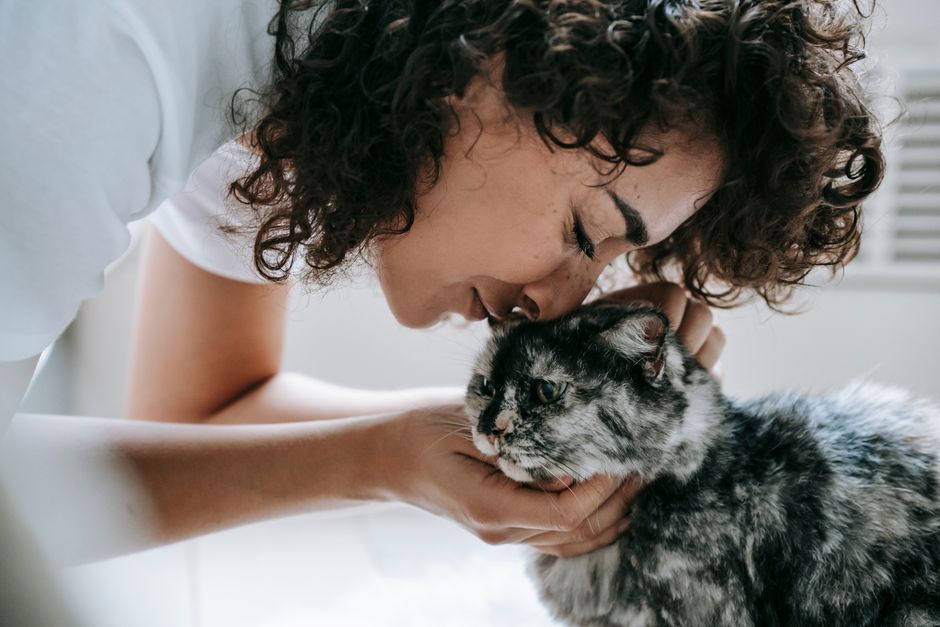
Your cat jumps onto the sofa, turns in a circle, and exposes a tight knot behind one ear. The fur under the front legs feels dense too. Your first instinct may be to grab scissors and cut fast. Stop there. A calm routine, the right order, and a few minutes at a time can keep most long-haired cats comfortable at home.
The best home routine is simple: inspect, comb, brush, check sensitive areas, and stop before your cat becomes frightened. Grooming removes loose hair, limits mats, reduces swallowed fur, and lets you spot fleas, skin irritation, swelling, or painful areas early. This guide gives you a safe weekly plan for 2026, plus clear limits for when a professional groomer or veterinarian should take over.
Start with a small grooming kit that matches the job
Do not buy one tool and expect it to solve every coat problem. A comb checks the hair close to the skin. A slicker brush loosens surface tangles. A de-shedding tool removes some loose undercoat. Nail clippers handle an entirely different task. The winning kit is small, but each tool has a defined role.
The three tools worth buying first
| Tool | Best use | Useful detail | Verdict |
|---|---|---|---|
| Safari Cat Self-Cleaning Slicker Brush | Surface tangles and loose fur | Fine wire pins with a push-button hair release | Best first brush for routine sessions |
| FURminator Undercoat deShedding Tool for Medium and Large Long-Hair Cats | Loose undercoat | For cats over 10 pounds; manufacturer lists about $36.99 MSRP | Best for a heavy shed when used weekly |
| Stainless-steel greyhound-style comb | Finding hidden knots | Use wide teeth first, then fine teeth | Essential for checking your work |
| Cat nail clippers | Sharp nail tips | Trim only the clear hooked tip | Buy a small, non-slip pair |
When clippers belong in the kit
The Andis AGC2 costs $149.99 on the manufacturer site, runs at 2,700 or 3,400 strokes per minute, weighs 17.6 ounces, and has a 14-foot cord. It is a professional-style tool, not a casual impulse purchase. For most families, it is unnecessary for normal coat care. Use it only after learning how to keep the blade flat and cool, and never use it to rush through a tight mat pressed against the skin.
My starter recommendation is the Safari slicker brush plus a metal comb. Add the FURminator when your cat has a thick undercoat and sheds heavily. Leave full-body clipping to a groomer unless a veterinarian gives you a specific reason to do it.
Understand why long fur mats before you try to remove it
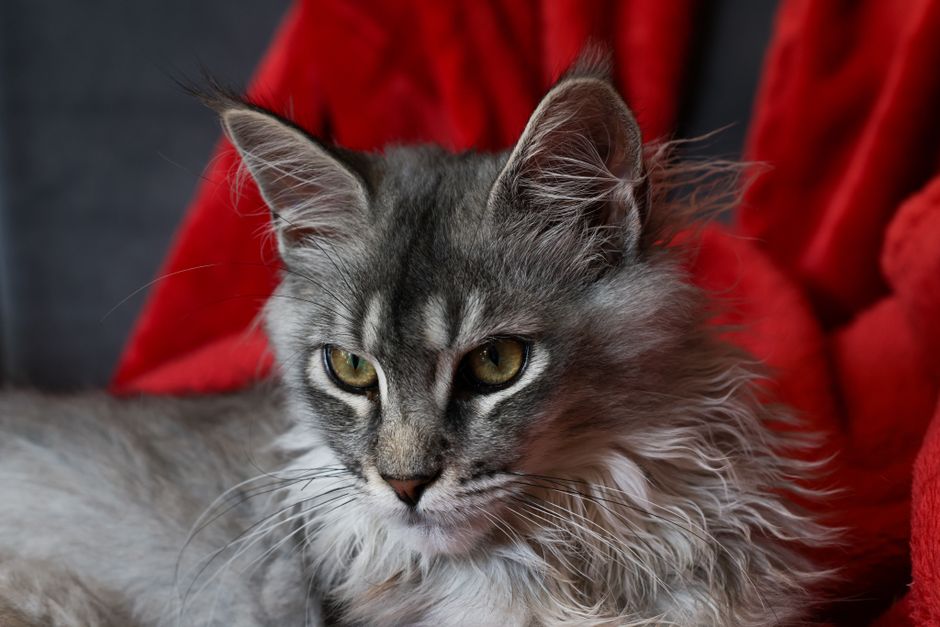
Long hair mats because loose strands twist around healthy strands and form a dense net. Movement makes the problem worse. Every time a cat walks, jumps, scratches, or rolls, friction gathers hair in the armpits, groin, collar area, belly, and behind the ears. Moisture from drinking, eating, or using the litter box can make the clump tighten further.
A mat is not just an ugly patch. It can pull on the skin every time the cat moves. Tight mats trap moisture and heat, hide fleas or small wounds, and make the skin hard to inspect. Cats may lick or chew the area, which can cause redness and broken skin. That is why brushing the visible top layer is not enough. You need to reach the coat in sections and confirm that the comb can pass close to the skin.
Work in sections instead of attacking the whole coat
Place your cat on a stable towel or non-slip mat. Start at the shoulders, where many cats tolerate touch, then move toward the ribs, back legs, tail, and belly. Lift one thin layer of fur with your fingers. Comb the lower layer first, using short strokes that begin at the ends and move gradually toward the roots. Keep your free hand between the tool and the skin when working near the armpit or groin.
Do not drag a brush through a knot with force. If the comb catches, reduce the section size. A few gentle passes are safer than one long pull.
Use a de-shedding tool sparingly
A de-shedding tool is not a daily brush and it is not a mat cutter. The FURminator long-hair cat tool has a stainless-steel edge designed to collect loose undercoat, and its instructions call for a completely dry coat and regular weekly use. One short session per week is enough for many cats. Five minutes over the whole body is safer than repeatedly scraping the same patch.
For a cat with a thin coat, irritated skin, or a history of resisting brushes, skip de-shedding until a professional shows you the correct pressure. The best tool is the one that removes loose hair without making the next session harder.
Follow this seven-step home grooming order
Keep each session short. A kitten may need several one-minute introductions before you attempt a full brush. An adult cat that already accepts handling may finish in 10 to 15 minutes. End while your cat is still calm. That teaches the animal that grooming has a predictable finish.
- Choose the timing. Groom after a nap or meal, not during a burst of play. Close doors so the cat cannot bolt into a dangerous corner.
- Inspect before touching tools. Look for redness, scabs, fleas, damp patches, swelling, or a sudden change in coat texture. Pain changes the plan.
- Touch the coat with your fingers. Find dense spots behind the ears, under the legs, around the collar, and at the base of the tail.
- Comb the ends first. Hold the hair near the skin and loosen the outer edge of a tangle with a wide-tooth comb.
- Brush in small sections. Use the slicker brush with light strokes. Lift the coat so you can see the skin rather than brushing blindly over the top.
- Check with the fine teeth. A comb that passes from skin to tip confirms that the section is clear. If it stops, return to that small area.
- Finish with a reward. Offer a favorite treat, play with a wand toy, or give quiet praise. Put tools away before your cat becomes restless.
Use the right pressure
Brush pins should move through fur, not scrape skin. You should see the hair separate, but your cat should not flinch, flatten the ears, whip the tail, or try to bite the tool. Those are instructions to pause, not bad behavior to punish.
Set a realistic weekly schedule
| Area | Frequency | Time | Check |
|---|---|---|---|
| Back and shoulders | Every 2 to 3 days | 3 to 5 minutes | Comb reaches the skin |
| Armpits and belly | Daily quick check | 30 seconds | No tight knots or damp fur |
| Tail and rear legs | Two or three times weekly | 2 to 4 minutes | No litter or feces caught in hair |
| De-shedding | Once weekly during heavy shedding | Up to 5 minutes | Stop if skin becomes pink |
| Nails | Every 2 to 4 weeks | 1 to 3 minutes | Only clear tips trimmed |
My strongest recommendation: solve tangles before they become mats
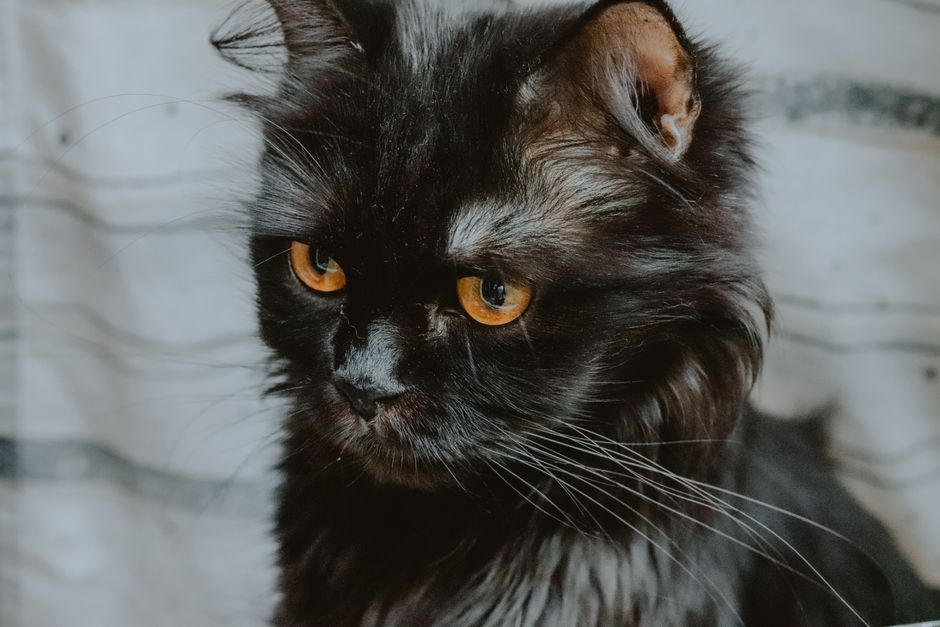
For most long-haired cats, the stainless-steel comb is the most important tool in the house. It gives you information. A slicker brush can make the top look smooth while a knot remains tight underneath. The comb tells you if the coat is actually clear.
Use your fingers to split a small tangle into thinner strands. Hold the hair near the skin so you do not pull the roots. Work from the outer edge inward. If the knot is loose and smaller than a pea, patience may remove it. If it feels hard, sits against the skin, or makes your cat react, stop.
What never belongs near a cat mat
- Do not use household scissors. Cat skin can fold into a mat and look like part of the hair.
- Do not spray human conditioner, essential oils, or perfume onto the coat. Cats lick their fur and may swallow the residue.
- Do not hold a struggling cat down for a long session. Restraint can turn future grooming into a fight.
- Do not keep brushing a red or broken patch. A veterinarian should check the skin.
When a groomer is the better choice
Book professional help when mats cover several areas, when the coat is felted close to the skin, or when your cat cannot stay still safely. A groomer can clip the coat with proper equipment and spot skin problems that need veterinary care. The Andis AGC2 may be capable of cutting dense coats, but capability does not equal safe home technique. For a first serious mat removal, the groomer wins.
Questions that change the grooming plan
How often should a long-haired cat be brushed?
Brush most long-haired cats at least three times per week. Daily checks make sense for the armpits, belly, collar line, and rear legs because those areas mat quickly. A Persian, Ragdoll, Maine Coon, or cat with a very dense undercoat may need short daily sessions. The right target is a coat that stays combable, not a fixed number of brush strokes.
Should I bathe my cat before removing mats?
No. Water usually tightens existing mats. Remove small loose tangles from a dry coat first. Bathe only when the cat is dirty, greasy, or has a substance on the fur that brushing cannot remove. Use cat-specific shampoo, rinse fully, and dry the coat completely before using a de-shedding tool.
Can I shave my cat for summer?
Routine shaving is not the best answer to warm weather. The coat helps protect skin from sun and scratches, and a nervous cat may find clipping stressful. A vet may recommend clipping for severe mats, medical treatment, or hygiene problems. For heat, provide water, airflow, shade, and a cool resting surface first.
Why does my cat still shed after grooming?
Grooming reduces loose hair; it does not stop normal shedding. Shedding rises with seasonal changes, indoor heating, stress, and some health problems. A sudden bald patch, greasy coat, heavy dandruff, repeated licking, or a sharp increase in hairballs needs a veterinary check rather than stronger brushing.
Fix common grooming failures with a calmer method
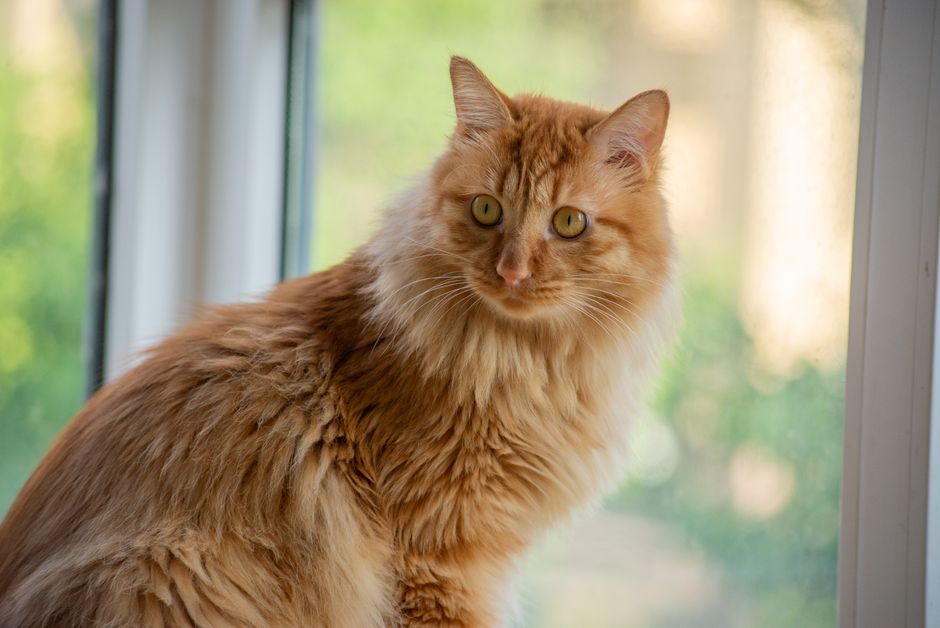
The most common failure is trying to finish too much in one sitting. A cat that tolerated two minutes may panic at minute eight. Once that happens, the owner often skips grooming for a week, and the coat becomes harder to manage. Short sessions protect the routine.
If your cat bites or runs away
Put the brush on the floor and reward your cat for sniffing it. On the next session, touch the shoulder with the back of the brush for one second, then reward. Build to three strokes. Keep the face, paws, belly, and tail for later. A helper can offer treats, but should not pin the cat down. If aggression appears suddenly, pain may be the reason.
If mats return in the same places
Change the inspection schedule instead of brushing harder. Check those spots every day. Trim excess fur around the rear only with professional guidance, especially if your cat has thick skin folds or dislikes handling. Clean food from the chin and wipe damp fur dry. A collar that rubs the neck can also create knots.
Never apply a home remedy to a suspected skin infection or wound. Redness, odor, discharge, bleeding, or a mat that seems attached to the skin belongs with a veterinarian.
Build a routine your cat can accept all year
A successful routine has three parts: a clear order, a short time limit, and a reliable reward. Keep the comb and brush in one drawer. Use the same towel. Groom in the same quiet room. These small details reduce surprise for both of you.
Use a simple monthly reset
At the start of each month, inspect the coat under bright light. Check behind both ears, lift each front leg, examine the belly, look around the tail base, and inspect the nails. Wash the brush, remove trapped hair from the comb, and replace tools with bent pins or dull cutting edges. A clean kit works better and lets you see what the coat is giving you.
Know what success looks like
Success is not a huge pile of fur on the floor. It is a cat that remains relaxed, a comb that reaches the skin, and no painful knots hiding under the topcoat. For routine care, choose the Safari slicker brush and metal comb. Add the FURminator for controlled weekly undercoat work. Choose a groomer for severe mats instead of forcing a risky home haircut.
That knot behind the ear no longer needs to become a crisis. With a daily inspection, a few careful passes, and a firm stopping point, your cat can return to the sofa with a clear coat—and you can sit down beside them without reaching for the scissors.