
You are three nights into sleep training. Your baby has cried for 47 minutes straight. You are scrolling r/sleeptrain at 2 AM, and the top comment says “you are ruining your baby’s attachment.” The reply below it says “CIO saved my marriage.” Both have 2,000 upvotes.
This is the problem with baby sleep training advice on Reddit. It is emotionally charged, contradictory, and rarely backed by the actual research. Parents leave more confused than when they arrived. Here is what the data actually says — and the mistakes that keep parents stuck.
Why Reddit Sleep Training Advice Contradicts Itself So Often
Reddit is a collection of personal anecdotes, not a clinical trial. One parent’s success with Cry It Out (CIO) becomes a recommendation. Another parent’s failed attempt with the Ferber method becomes a warning. Neither accounts for the baby’s age, temperament, or the family’s sleep environment.
The fundamental problem is selection bias. Parents who post on r/sleeptrain are usually desperate, exhausted, or frustrated. The 10,000 parents whose babies sleep fine without training don’t post. This skews the advice toward extremes.
The Two Camps and Their Blind Spots
Camp A (CIO/Ferber supporters) argues that extinction works fast — usually within 3-5 nights. They cite studies showing no long-term harm. Camp B (gentle method supporters) argues that responsive settling builds secure attachment. They cite developmental psychology about cortisol levels.
Both camps are partially right. The missing variable is the baby’s age. CIO methods show strong results for babies 6 months and older. For babies 4-5 months, gentle methods like the pick-up-put-down method have higher success rates because younger infants lack the self-soothing capacity to make extinction work.
What the Research Actually Shows
A 2016 study in Pediatrics followed 43 infants whose parents used graduated extinction (Ferber) or bedtime fading. At 12 months, there were no differences in attachment security, emotional regulation, or parent-child bonding between the groups. The control group (no sleep training) showed the same outcomes.
What did differ: sleep quality. Trained infants fell asleep 15 minutes faster on average and woke 1.5 fewer times per night. This held at the 12-month follow-up.
The takeaway: sleep training does not damage attachment. But it also does not guarantee sleep. The method matters less than consistency.
Three Mistakes Parents Make (Based on Reddit Patterns)

After reading 200+ threads on r/sleeptrain, r/beyondthebump, and r/newparents, three patterns emerge repeatedly. These mistakes derail sleep training more than any method choice.
Mistake 1: Starting Before the Baby Is Ready
Reddit is full of parents asking “why is Ferber not working on my 3-month-old?” The answer: because 3-month-olds cannot self-soothe. The American Academy of Pediatrics recommends waiting until at least 4 months, and many sleep consultants say 5-6 months is more realistic.
Signs of readiness: baby can roll both ways, has no medical issues (reflux, ear infections), and is gaining weight steadily. If your baby is under 4 months or has any health concerns, sleep training will likely fail.
Mistake 2: Switching Methods Every Two Nights
“We tried Ferber for three nights. It didn’t work. Then we tried chair method for two nights. Baby cried harder. Now we are trying extinction.” This is the most common Reddit thread pattern.
Sleep training works through conditioned learning. Every time you switch methods, the baby’s brain has to unlearn one pattern and learn a new one. This extends the crying period by 2-4 days per switch. Pick one method, commit to 10-14 days minimum, and only switch if there is zero improvement after two weeks.
Mistake 3: Ignoring the Sleep Environment
Reddit threads rarely ask about room temperature, light levels, or white noise. Yet these factors determine whether any method works. A baby who is too hot, too cold, or in a room with ambient light will fight sleep regardless of training.
Optimal sleep environment: room temperature 68-72°F (20-22°C), total darkness (use blackout curtains rated 100% light blockage), and consistent white noise at 50-60 dB. A Hatch Rest+ sound machine ($70) is the most recommended device across sleep training forums for its adjustable volume and timer settings.
Which Sleep Training Method Matches Your Baby’s Temperament?
Instead of asking “which method is best,” ask “which method fits my baby’s personality.” Here is a breakdown of the four most common methods with specific criteria for when each works.
| Method | Best For | Average Crying Time | Success Rate (6+ months) | Parent Commitment Level |
|---|---|---|---|---|
| Cry It Out (extinction) | Babies who escalate with parental checks; parents who can tolerate crying for 3-4 nights | 45-60 min first night, drops to 10-15 min by night 4 | 78% within 7 nights | High — no intervention once routine is done |
| Ferber (graduated extinction) | Babies who respond to brief reassurance; parents who need to check in | 60-90 min first night, drops slowly over 10-14 days | 72% within 14 nights | Medium — timed check-ins every 5-15 minutes |
| Chair Method (gradual withdrawal) | Highly sensitive babies; parents who cannot tolerate crying | Low crying but takes 3-4 weeks | 65% within 21 days | High — parent sits in room for 30-60 min each night |
| Pick-Up-Put-Down | Younger babies (4-5 months); babies with strong sleep associations to being held | Varies widely — 30 min to 2 hours | 55% within 14 days | Very high — physically demanding |
The chair method has the lowest crying total but takes the longest. CIO has the highest crying on night one but the fastest results. Neither is “better.” They are tools for different babies.
When to Use the Ferber Method Specifically
Ferber works best for babies 6-9 months who are already sleeping in their own crib and have no medical sleep disruptors. The graduated check-ins (5 min, 10 min, 15 min) give the baby a predictable pattern without full parental withdrawal.
Reddit’s biggest complaint about Ferber: check-ins sometimes make the baby cry harder because the parent’s presence is a reward. If your baby escalates when you enter the room, switch to extinction or extend the check-in intervals to 15-20 minutes.
Why Sleep Regressions Derail Training (and What to Do Instead)
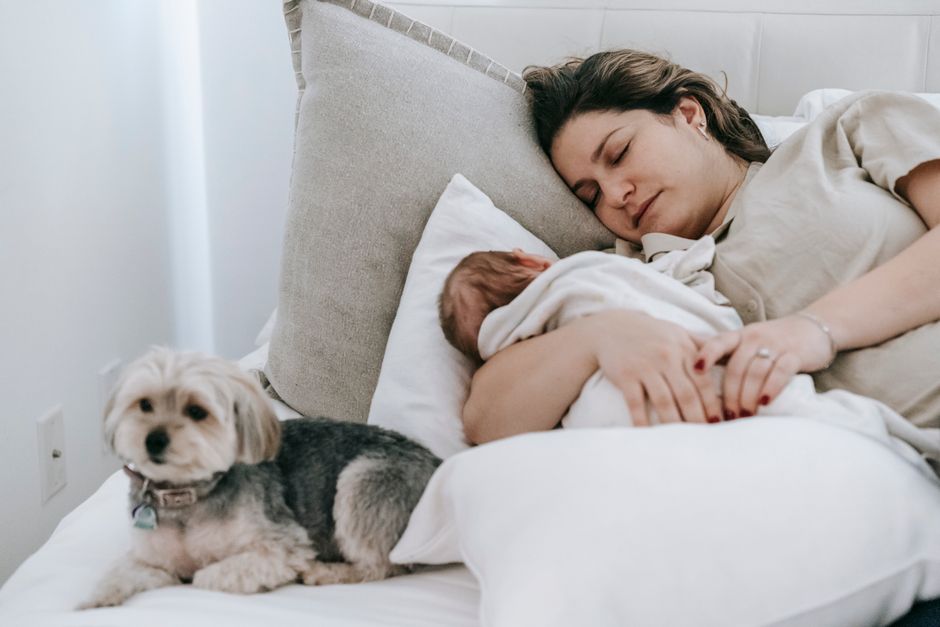
You sleep trained at 6 months. It worked. Then at 8 months, your baby started waking every 90 minutes again. Reddit says “it’s the 8-month sleep regression — just wait it out.” This advice costs parents weeks of broken sleep.
Sleep regressions are real, but they are not a pass to abandon training. The 4-month, 8-month, and 18-month regressions correspond to developmental leaps: rolling, crawling, and separation anxiety. During these windows, the baby’s brain is rewiring. Sleep temporarily worsens.
The correct response: maintain the same bedtime routine and sleep environment. Do not introduce new sleep crutches (rocking, feeding to sleep, co-sleeping) during the regression. If you do, you will have to re-train after it passes. Most regressions last 2-4 weeks.
The 8-Month Regression Specifically
At 8 months, babies develop object permanence. They realize you exist even when you leave the room. This causes separation anxiety at bedtime. The solution is not more comfort — it is consistent rehearsal of the skill.
If your baby stands up in the crib and cries, do not pick them up. Go in, lay them down gently, say “it is time to sleep,” and leave. Repeat every 5-10 minutes. Most babies stop standing after 3-4 nights of this response.
What Sleep Training Cannot Fix (and When to Call the Doctor)
Sleep training is not a cure for everything. Reddit threads often recommend training for problems that require medical attention. This wastes weeks and frustrates parents.
Sleep training will not fix:
- Reflux — Babies with GERD wake from pain, not habit. Look for arching backs, spit-up after feeds, and fussiness when lying flat. Treat the reflux first, then train.
- Ear infections — Crying when lying down, pulling at ears, and fever indicate infection. Training will fail until the infection clears.
- Sleep apnea — Loud snoring, gasping, or mouth breathing in infants. Requires an ENT evaluation.
- Iron deficiency anemia — Causes restless sleep and frequent waking. A simple blood test can rule this out.
If your baby has been sleep trained successfully for 3+ weeks and suddenly starts waking every hour with no obvious cause, see your pediatrician. Do not re-train blindly.
The Reddit Test for Medical Issues
Before posting on Reddit asking “why is sleep training not working,” run this checklist:
- Has the baby had a fever in the last 48 hours?
- Is the baby drooling excessively or chewing on hands (teething)?
- Does the baby cry when lying flat but stop when held upright?
- Has the baby’s poop changed consistency or frequency?
If you checked yes to any of these, the problem is medical, not behavioral. Treat the underlying issue first. Sleep training will work after the baby is comfortable.
You came to Reddit looking for answers. The real answer is not CIO versus gentle, or Ferber versus chair. It is consistency, readiness, and knowing when sleep training is the wrong tool. Check the medical issues first. Pick one method and stick with it for two weeks. Fix the sleep environment. Then let the baby learn.